Best Card Makers for Videographers
Videographers know that capturing great footage is only half the battle— storing that footage reliably, quickly, and across various environments is equally crucial. As video resolutions rise from HD to 4K and beyond, the demands placed on memory cards have increased dramatically. A camera’s performance can be held back by a slow or unreliable card, and the right card can ensure smooth workflows, faster transfers, and peace of mind.
TLDR:
If you’re a videographer, choosing the right memory card maker is essential for reliable and high-speed performance, especially with large 4K or 8K files. Some of the most trusted brands include SanDisk, Sony, Angelbird, Lexar, and ProGrade Digital. These makers offer a range of cards tailored for different resolutions, bitrates, and shooting environments. Look for cards with high sustained write speeds, robust durability, and compatibility with your camera system.
What Makes a Good Memory Card for Videography?
Before listing the best card makers, it’s worth knowing the key elements that matter when selecting a memory card for video work:
- Speed: High read and write speeds—especially sustained write speeds—are necessary for recording high bitrate video formats like 4K ProRes or RAW.
- Capacity: Filming in 4K and 8K eats up storage fast. Cards with 128GB, 256GB, or more are typically preferred.
- Reliability: In both professional and amateur shoots, card failure can lead to major data loss. Trusted brands often build in error correction and wear-leveling.
- Durability: Cards used in field production must be shockproof, water-resistant, and temperature-tolerant.
- Compatibility: Different camera models require specific card formats—SD, microSD, CFexpress, XQD, and CFast cards being among the most common.
Top Card Makers for Videographers
1. SanDisk (Western Digital)
SanDisk is arguably the most recognized name in the memory card space, and for good reason. With a product lineup that includes everything from UHS-I SD cards to blazing-fast CFexpress cards, SanDisk has something for every level of videographer.
- Flagship Models: SanDisk Extreme Pro SDXC UHS-II, SanDisk Extreme Pro CFexpress Type B
- Write Speeds: Up to 1400MB/s on CFexpress models
- Special Features: Lifetime warranty, RescuePRO software, solid weather and impact resistance
Notably, even among professionals, SanDisk Extreme Pro remains a go-to model for reliability and widespread support.
2. Sony
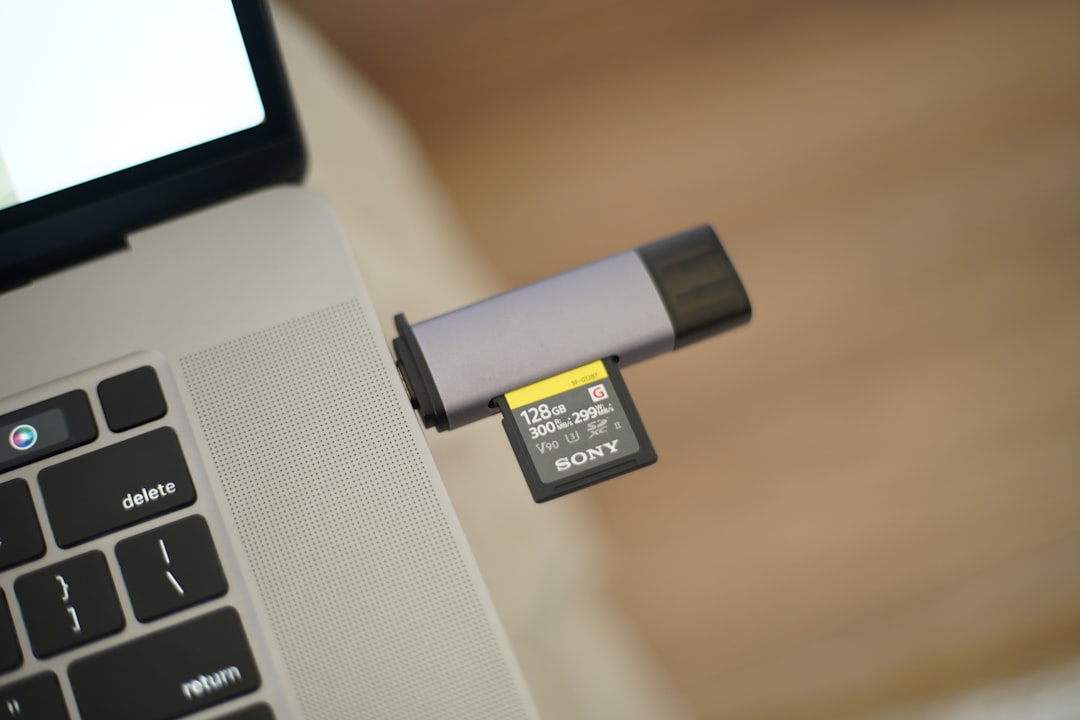
Sony is not only a camera manufacturer but also a leading memory card maker. Their premium card offerings are optimized for high-resolution video workflows, especially when paired with their own Alpha and FX camera series.
- Flagship Models: Sony TOUGH G Series, Sony CFexpress Type A
- Write Speeds: Up to 700MB/s for Type A, up to 1480MB/s for Type B
- Special Features: Ultra-durable TOUGH series—bend proof, dustproof, waterproof
Sony CFexpress Type A cards are particularly important because they support the newer compact form factor, crucial for cameras like the Sony FX3 and A7S III.
3. Angelbird
Hailing from Austria, Angelbird is a favorite among filmmakers looking for reliability in remote or rugged environments. Their cards are custom-tuned for specific cameras and workflows, which makes them especially appealing for professionals.
- Flagship Models: AV PRO CFexpress SE, V60 and V90 SDXC, CFast 2.0
- Write Speeds: Sustained speeds over 1000MB/s on some CFexpress models
- Special Features: Hardware-level stabilization, adaptive thermal management, ESD & overload protection
Angelbird often collaborates directly with cinema camera brands like Blackmagic Design and RED, tailoring their cards for maximum compatibility and stability.
4. Lexar
Once a part of Micron, Lexar has made a strong comeback with cards that boast high speeds at competitive prices. Ideal for mid-range to high-end shooters, Lexar offers one of the widest ranges of card formats.
- Flagship Models: Lexar Professional 2000x UHS-II, CFexpress Type B GOLD Series
- Write Speeds: Up to 1000MB/s on CFexpress cards
- Special Features: Lifetime limited warranty, wide availability, affordable pricing
Lexar’s V90 SD cards remain a popular choice for DSLR and mirrorless videographers shooting in 4K or lower resolutions.
5. ProGrade Digital
Founded by former Lexar executives, ProGrade Digital is a relatively new player but has quickly gained credibility in the professional realm. With a laser focus on performance-grade cards, ProGrade targets users of Canon, Sony, Nikon, and other leading camera systems.
- Flagship Models: ProGrade Digital CFexpress Gold and Cobalt, SD V90 UHS-II
- Write Speeds: Up to 1500MB/s (Cobalt Series)
- Special Features: Workbench software for card health monitoring, serialized cards for tracking
ProGrade’s cards are robust and fast enough to handle RAW video recording, making them ideal for high-end cinema applications.
Specialized Cards for Specific Camera Systems
Some videographers rely heavily on particular ecosystems and should opt for cards tailored to those cameras. For instance:
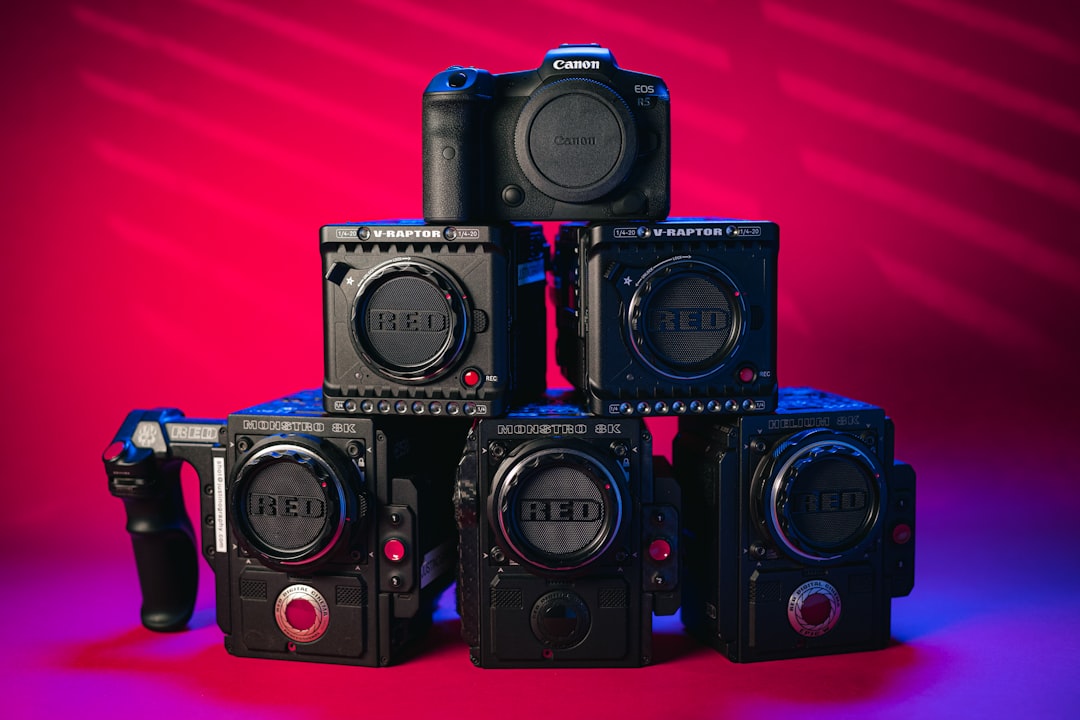
- RED Cameras: Angelbird and RED-branded media tailored for consistent performance under extreme data loads.
- Blackmagic URSA Mini: CFast 2.0 cards from Angelbird or SanDisk are recommended for high bitrate ProRes recording.
- Sony FX3 & A7S III: CFexpress Type A cards from Sony or ProGrade are often the best fit.
Tips for Care and Maintenance
Your memory card is crucial to your workflow and production results. Here are a few tips to protect your investment:
- Always format in-camera: Formatting cards using the camera reduces compatibility issues and file errors.
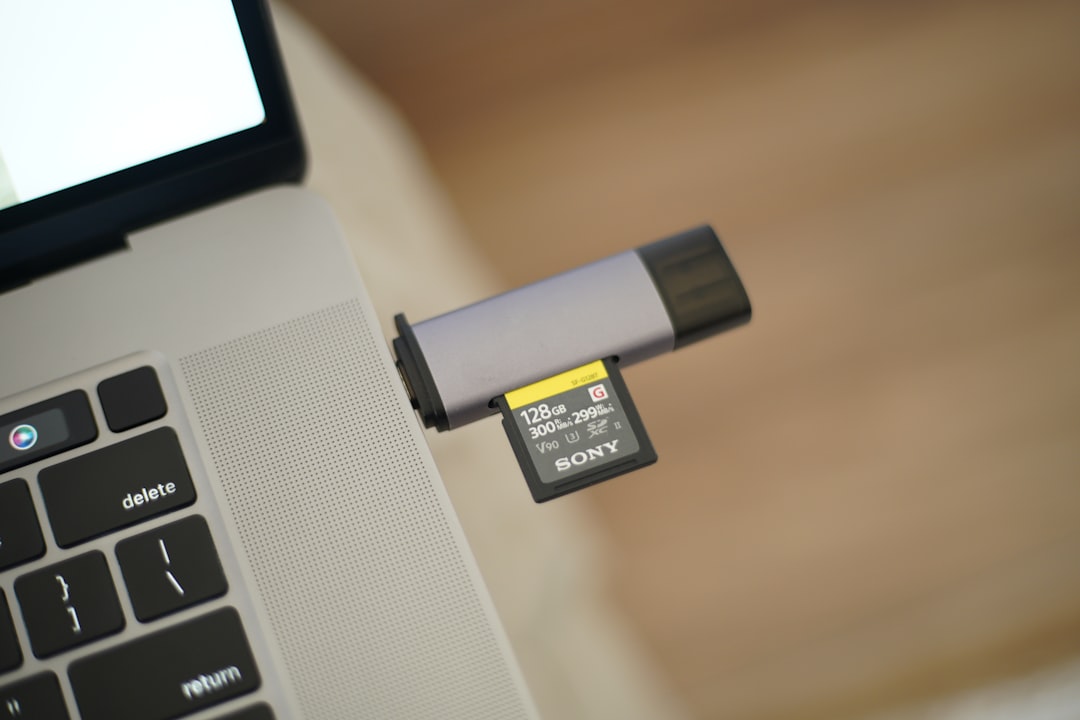
- Use card readers from the same manufacturer: Ensures optimized transfer speeds and compatibility.
- Rotate between multiple cards: Reduces the wear on any single card.
- Use storage cases: To avoid physical damage or static charge issues, store cards in padded cases.
The Future of Memory Cards for Videography
With 8K video, RAW formats, and high frame-rate recording becoming increasingly common, the demand for higher-speed and larger-capacity cards will continue to grow. CFexpress promises to be the dominant format for high-end cameras, while UHS-II SD cards will continue to support more affordable systems.
Meanwhile, brands like SanDisk and ProGrade are pushing the boundaries of what’s possible in memory card technology, with faster data pipelines and smarter thermal regulation.
Final Thoughts
Whether uploading footage in the studio or capturing cinematic shots in the field, having a dependable card is essential. Investing in a quality card from reputable brands like SanDisk, Sony, Angelbird, Lexar, or ProGrade Digital can save you from hours of troubleshooting or, worse, lost footage. Your memory card may be small, but its role in your videography is monumental.
Be smart, invest wisely, and always carry a few backups. Your footage—and your reputation—depends on it.