10 Logo Design Tools for Freelancers and Creative Professionals
For freelancers and creative professionals, logo design is more than a creative exercise—it is a crucial service that helps clients define their identity and stand out in competitive markets. Choosing the right tools can dramatically improve workflow efficiency, creative flexibility, and final results. With countless options available, designers must balance functionality, affordability, collaboration features, and output quality when selecting their software.
TLDR: The best logo design tools for freelancers combine creative flexibility, ease of use, scalable vector support, and collaboration features. Adobe Illustrator, CorelDRAW, Canva, and Affinity Designer remain industry favorites, while tools like Figma and Procreate offer specialized benefits. The right choice depends on budget, workflow preferences, and client needs. Comparing features side by side can help designers select the most efficient platform for their business.
Below is a curated list of ten powerful logo design tools that help freelancers deliver professional, scalable, and memorable brand identities.
1. Adobe Illustrator
Adobe Illustrator is widely considered the industry standard for vector-based logo design. Its precision tools, scalable vector capabilities, and extensive plugin ecosystem make it a favorite among professionals.
- Best for: Advanced vector illustration and scalability
- Strength: Precision pen tool and robust typography controls
- Limitation: Subscription-based pricing
Freelancers working with complex brand systems often rely on Illustrator because logos must function across billboards, business cards, and digital interfaces without losing quality.
2. CorelDRAW
CorelDRAW is another professional-grade vector graphics editor. It offers powerful layout tools and intuitive controls that some designers find more approachable than Illustrator.
- Best for: Print-focused logo and branding projects
- Strength: High-quality color management
- Limitation: Less commonly requested in collaborative workflows
Creative professionals who manage both digital and print deliverables appreciate its comprehensive production features.
3. Affinity Designer
Affinity Designer has grown rapidly in popularity due to its one-time purchase model and strong vector capabilities. It offers smooth performance and professional-grade tools without requiring a subscription.
- Best for: Budget-conscious freelancers
- Strength: Seamless switching between vector and raster modes
- Limitation: Smaller plugin ecosystem compared to Adobe
It is particularly attractive to independent designers seeking affordability without sacrificing performance.
4. Canva
Canva is known for its ease of use and quick design capabilities. While not as powerful as dedicated vector tools, it enables freelancers to create simple logo concepts rapidly.
- Best for: Quick concepts and beginner-friendly design
- Strength: Drag-and-drop simplicity
- Limitation: Limited advanced vector editing
Some freelancers use Canva to present early-stage visual directions before refining the final logo in advanced software.
5. Figma
Figma has become essential in collaborative design environments. Though originally built for interface design, its vector tools make it suitable for logo creation.
- Best for: Real-time collaboration
- Strength: Cloud-based workflow
- Limitation: Not as illustration-focused as Illustrator
Freelancers working with remote teams or startup clients appreciate the seamless feedback and sharing features.
6. Inkscape
Inkscape is a powerful open-source vector editor. It is free to use, making it excellent for freelancers starting out or those seeking a cost-effective solution.
- Best for: Designers on a tight budget
- Strength: Open-source flexibility
- Limitation: Interface can feel less polished
While it may not match premium tools in refinement, it delivers surprisingly advanced vector functionality.
7. Procreate
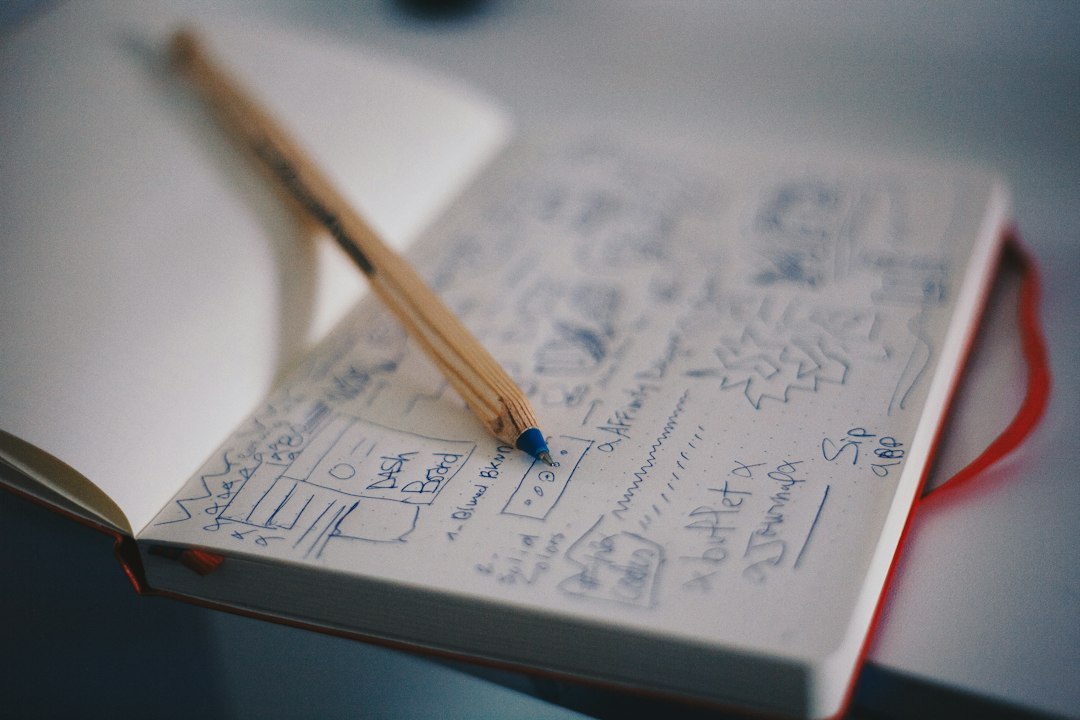
Procreate is a raster-based illustration app for tablets. Although not a vector tool, many designers use it to sketch initial logo concepts before digitizing them in vector software.
- Best for: Hand-drawn logo concepts
- Strength: Natural drawing experience
- Limitation: Requires vector conversion for scalability
This makes it particularly useful for branding projects involving custom lettering or illustrative marks.
8. Gravit Designer
Gravit Designer is a cross-platform vector design tool suitable for logo creation. It offers cloud-based access and a clean interface.
- Best for: Browser-based design
- Strength: Accessibility across devices
- Limitation: Advanced features require paid plan
Freelancers who frequently switch workstations benefit from its flexibility.
9. Sketch
Sketch is popular in the UI/UX community but also performs well for logo design due to its vector editing tools and symbol system.
- Best for: Designers combining brand and interface work
- Strength: Clean and efficient interface
- Limitation: Limited to specific operating systems
It integrates smoothly into brand systems that extend into digital products.
10. LogoMakr
LogoMakr is a simplified, web-based tool aimed at fast logo creation. While it lacks the depth of professional-grade software, it serves as a quick mockup generator for freelancers who need fast visual prototypes.
- Best for: Rapid draft ideas
- Strength: Extremely easy to use
- Limitation: Limited customization depth
It can be helpful during early brainstorming sessions before committing to refined design software.
Comparison Chart of Top Logo Design Tools
| Tool | Vector Support | Best For | Pricing Model | Collaboration |
|---|---|---|---|---|
| Adobe Illustrator | Yes | Professional branding | Subscription | Moderate |
| CorelDRAW | Yes | Print projects | Subscription / One-time | Limited |
| Affinity Designer | Yes | Affordable pro work | One-time | Limited |
| Canva | Partial | Quick designs | Freemium | Strong |
| Figma | Yes | Team collaboration | Freemium | Excellent |
| Inkscape | Yes | Budget design | Free | Limited |
| Procreate | No | Sketching | One-time | None |
| Gravit Designer | Yes | Cross-platform | Freemium | Moderate |
| Sketch | Yes | UI branding | Subscription | Moderate |
| LogoMakr | Limited | Quick drafts | Freemium | Low |
Choosing the Right Tool
Freelancers and creative professionals must evaluate tools based on several criteria:
- Scalability: Logos must maintain clarity at any size.
- File Compatibility: Clients often request AI, EPS, SVG, and PDF formats.
- Collaboration Needs: Remote clients benefit from cloud-based platforms.
- Budget: Recurring subscriptions versus one-time payments.
- Learning Curve: Time investment required to master the tool.
Ultimately, most experienced logo designers rely on at least one dedicated vector program supplemented by sketching or collaboration tools.
Frequently Asked Questions (FAQ)
1. What is the most professional tool for logo design?
Adobe Illustrator is generally regarded as the most professional and widely accepted logo design tool due to its advanced vector editing capabilities and universal industry compatibility.
2. Can beginners design logos without expensive software?
Yes. Tools like Inkscape and Canva allow beginners to start designing logos without high upfront costs, though advanced scalability features may be limited.
3. Why is vector software important for logos?
Vector software ensures that logos can scale infinitely without losing quality, which is essential for print materials, merchandise, and digital platforms.
4. Is collaboration important in logo design tools?
For freelancers working with remote clients or teams, collaboration features such as commenting, cloud sharing, and live editing can significantly streamline feedback and revisions.
5. Should freelancers use more than one tool?
Many professionals combine tools—for example, sketching in Procreate and finalizing in Illustrator—to maximize both creativity and precision.
6. What file formats should a logo designer deliver?
Common deliverables include SVG, EPS, AI, PDF, PNG, and JPG formats to ensure compatibility across digital and print applications.
By selecting the right combination of tools, freelancers and creative professionals can streamline their workflow, enhance collaboration, and consistently produce impactful, scalable logos that define strong brand identities.