
7 Best AI Tools for Lawyers
Artificial intelligence is becoming a practical part of modern legal work, especially in research, drafting, contract review, litigation preparation, and knowledge management. The best AI tools for lawyers do not replace professional judgment; they help attorneys work faster, identify issues more consistently, and reduce time spent on repetitive tasks. For law firms and in-house teams, the most important factors are accuracy, security, auditability, jurisdictional relevance, and integration with existing workflows.
TLDR: The strongest AI tools for lawyers are those built around reliable legal data, secure document handling, and transparent workflows. CoCounsel, Lexis+ AI, Harvey, Spellbook, Vincent AI, Kira, and Relativity aiR are among the most useful options for legal professionals. Each tool serves a different purpose, from legal research and drafting to contract analysis and e-discovery. Lawyers should treat AI outputs as a starting point, not as final legal advice.

1. CoCounsel by Thomson Reuters
Best for: legal research, document review, deposition preparation, and litigation support.
CoCounsel, originally developed by Casetext and now part of Thomson Reuters, is one of the most established legal AI assistants. It is designed specifically for lawyers and can help summarize documents, extract key clauses, prepare deposition questions, review contracts, and answer legal research questions using legal sources.
Its main advantage is that it is built for legal workflows rather than general productivity. For litigators, CoCounsel can be especially useful when reviewing large factual records or preparing for witness examinations. For transactional lawyers, it can identify provisions, compare documents, and flag potential inconsistencies.
Why lawyers use it: CoCounsel is serious, legal-specific, and increasingly connected to trusted Thomson Reuters legal content. It is particularly valuable for firms looking for a broad AI assistant rather than a narrow single-purpose tool.
2. Lexis+ AI
Best for: legal research, case law analysis, drafting, and citation-supported answers.
Lexis+ AI is a major AI platform from LexisNexis that combines generative AI with the company’s extensive legal database. It is designed to help lawyers ask legal questions in natural language, receive summarized answers, generate drafts, and review legal authorities more efficiently.
One of its most important strengths is its connection to authoritative legal content. In legal practice, an AI answer is only as useful as the sources behind it. Lexis+ AI focuses on providing grounded responses with links to relevant cases, statutes, and other legal materials.
Why lawyers use it: It supports traditional legal research while adding AI-powered speed. For firms already using LexisNexis, the learning curve may be lower, and integration into existing research habits can be relatively smooth.
3. Harvey
Best for: large law firms, complex legal drafting, regulatory work, and internal knowledge management.
Harvey is an AI platform built for legal and professional services organizations. It has gained attention among major law firms because it can be customized for sophisticated use cases, including drafting, due diligence, regulatory analysis, and internal research across firm documents.
Unlike basic chatbot tools, Harvey is often deployed at an enterprise level. This means firms can tailor the system to specific practice areas, document types, and internal standards. For large firms handling high-value matters, this customization can be important.
Why lawyers use it: Harvey is built for serious legal environments where security, scalability, and customization matter. It is especially relevant for firms that want AI to become part of their broader knowledge infrastructure.
4. Spellbook
Best for: contract drafting, contract review, and transactional practice.
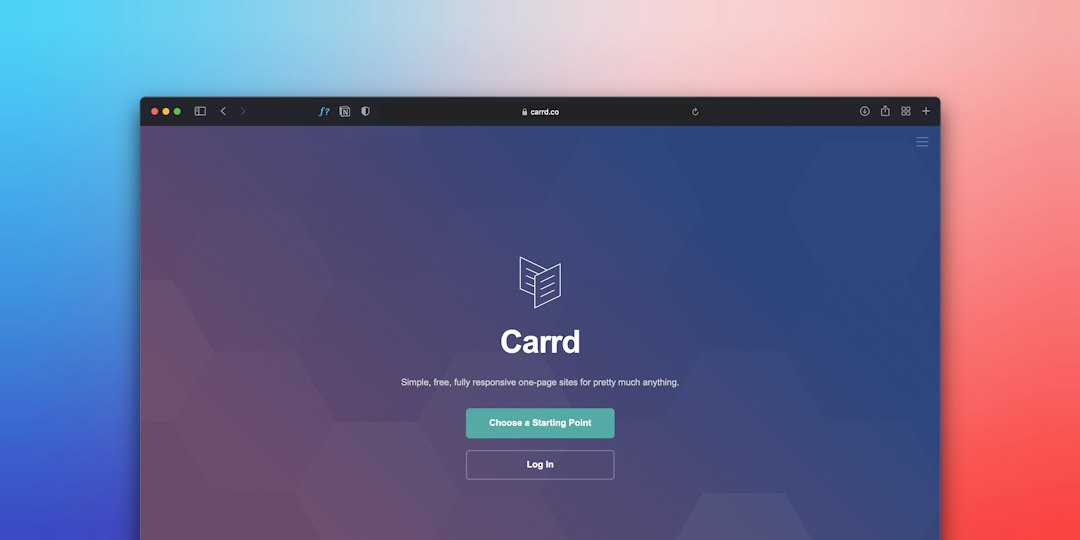
Spellbook is an AI contract tool that integrates with Microsoft Word, making it practical for lawyers who spend much of their day drafting and revising agreements. It can suggest contract language, identify missing clauses, summarize provisions, and help review agreements for risk.
For small and mid-sized firms, Spellbook can be particularly appealing because it works inside a familiar drafting environment. Lawyers do not need to move documents into a completely separate platform to benefit from AI assistance.
Why lawyers use it: It is focused, practical, and easy to incorporate into contract workflows. It is not intended to replace careful legal drafting, but it can reduce time spent on first drafts, markups, and routine clause checks.
5. Vincent AI by vLex
Best for: international legal research, comparative law, and source-based legal analysis.
Vincent AI, from vLex, is a legal research assistant designed to work with a large global legal database. It can help lawyers find authorities, summarize legal issues, and explore arguments across jurisdictions. This makes it especially useful for attorneys dealing with international matters or comparative legal questions.
A key strength of Vincent AI is its ability to combine AI research functions with access to broad legal materials. Lawyers working outside a single domestic jurisdiction may find this particularly valuable, as many legal AI tools are more limited in geographic scope.
Why lawyers use it: Vincent AI is a strong option for legal professionals who need research support beyond one country or one narrow database. It can help uncover relevant materials that might otherwise take significant time to locate.
6. Kira
Best for: due diligence, contract review, mergers and acquisitions, and lease analysis.
Kira is a well-known AI contract analysis tool used by law firms and corporate legal departments. It is particularly strong in reviewing large sets of documents and extracting key provisions, such as change-of-control clauses, assignment terms, indemnities, renewal rights, and termination provisions.
In transactions, speed and consistency matter. Kira helps legal teams review large volumes of contracts in a structured way, reducing the risk that important clauses are missed. It is also useful for creating due diligence reports and organizing findings for further attorney review.
Why lawyers use it: Kira is respected for document analysis and has a strong track record in transactional legal work. It is especially valuable when a legal team must review hundreds or thousands of documents under tight deadlines.

7. Relativity aiR
Best for: e-discovery, investigations, litigation document review, and privilege analysis.
Relativity is one of the leading platforms in e-discovery, and Relativity aiR brings AI capabilities into litigation and investigation workflows. It can assist with document review, issue identification, privilege review, and case strategy by helping teams understand large data sets more efficiently.
For litigators, e-discovery is often one of the most expensive and time-consuming phases of a matter. AI can help prioritize documents, identify relevant communications, and reduce manual review burdens. However, because e-discovery involves court obligations and defensibility, lawyers must carefully supervise how AI is used.
Why lawyers use it: Relativity aiR is suited to high-volume litigation environments where review accuracy, process documentation, and defensibility are crucial.
How to Choose the Right AI Tool for a Legal Practice
There is no single best AI tool for every lawyer. A litigation boutique may need research and e-discovery tools, while a corporate practice may benefit more from contract drafting and due diligence platforms. Before choosing a tool, legal teams should consider the following factors:
- Practice area: Litigation, corporate, employment, real estate, and regulatory practices have different AI needs.
- Data security: Confirm how client data is stored, processed, encrypted, and used for model training.
- Source reliability: Prefer tools that cite legal authorities and rely on trusted databases.
- Workflow integration: AI should fit into existing systems such as Word, document management platforms, or research databases.
- Human review: Lawyers must verify AI outputs, especially legal conclusions, citations, and strategic recommendations.
Professional Responsibility and Risk
AI can improve efficiency, but it also creates professional responsibility issues. Lawyers must protect confidentiality, supervise technology use, avoid false citations, and maintain independent legal judgment. Courts and regulators are increasingly attentive to the misuse of generative AI, particularly when attorneys submit unverified AI-generated content.
For that reason, firms should establish clear AI policies. These policies should define approved tools, prohibited uses, review requirements, confidentiality rules, and procedures for checking citations and factual assertions. Training is also essential; even advanced tools can produce incomplete or misleading results if used carelessly.
Final Thoughts
The best AI tools for lawyers are not simply the most impressive technologies. They are the tools that fit real legal workflows, protect client information, and produce outputs that lawyers can verify and use responsibly. CoCounsel, Lexis+ AI, Harvey, Spellbook, Vincent AI, Kira, and Relativity aiR each offer serious value, but in different areas of practice.
Lawyers who adopt AI thoughtfully can reduce routine work, improve consistency, and devote more time to legal analysis, client counseling, and strategy. The safest approach is to treat AI as a capable assistant: useful, efficient, and powerful, but always subject to professional oversight.