
7 Voice Assistant Platforms With Thousands Of Smart Integrations
Voice assistants have evolved from simple voice-controlled helpers into powerful platforms that connect thousands of smart devices, services, and applications. From controlling lights and thermostats to managing enterprise workflows and customer service interactions, today’s voice ecosystems are deeply integrated into daily life and business operations. As smart homes and IoT technologies expand, choosing the right voice assistant platform has become increasingly important for consumers and organizations alike.
TLDR: Modern voice assistant platforms power millions of devices and integrate with thousands of smart home products, apps, and services. Amazon Alexa, Google Assistant, Apple Siri, Samsung Bixby, Microsoft Cortana (enterprise use), Alibaba AliGenie, and Baidu DuerOS lead the ecosystem. Each platform offers unique strengths in compatibility, AI intelligence, language support, and ecosystem reach. The best choice depends on the user’s devices, geographic region, and integration needs.
1. Amazon Alexa
Amazon Alexa remains one of the most expansive voice assistant platforms in the world. Known for its vast compatibility and open development ecosystem, Alexa powers tens of thousands of smart home products and services.
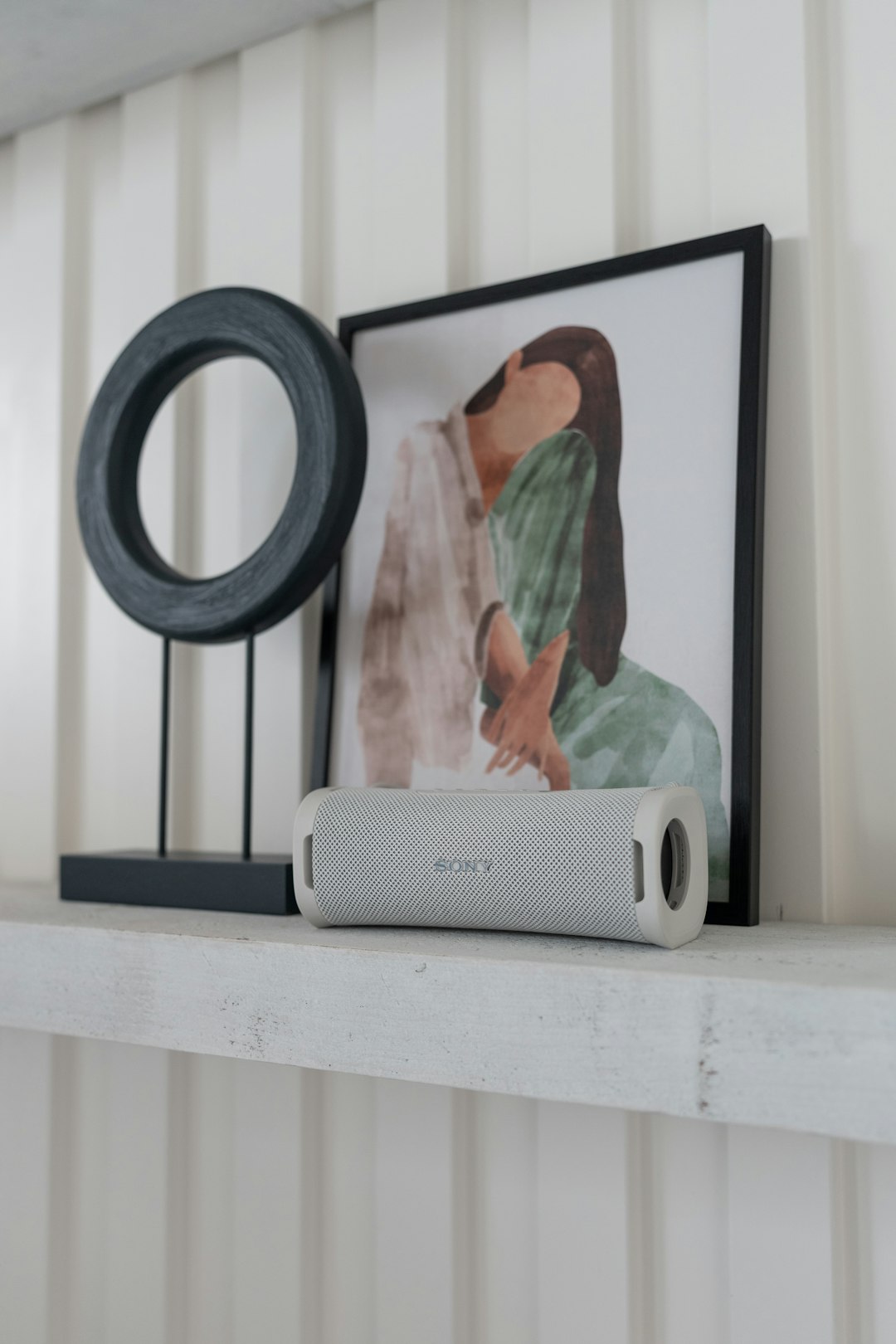
Key strengths include:
- Over 100,000 Alexa “Skills” developed by third parties
- Deep integration with smart home brands like Philips Hue, Ring, Ecobee, and Honeywell
- Multi-room audio and home automation routines
- Strong support for developers through Alexa Skills Kit (ASK)
Alexa works seamlessly with Amazon Echo devices, Fire TV, and numerous third-party speakers and appliances. Its open ecosystem has made it a favorite among smart home enthusiasts who want maximum flexibility and customization.
2. Google Assistant
Google Assistant is widely recognized for its advanced natural language processing and contextual understanding. Built on Google’s powerful AI and search infrastructure, it excels at answering complex questions and delivering personalized results.
Notable features:
- Integration with over 50,000 smart home devices
- Seamless synchronization with Google services like Gmail, Calendar, Maps, and YouTube
- Multilingual support with real-time translation capabilities
- Voice Match for personalized experiences
Google Assistant is embedded into Nest smart speakers, Android smartphones, Chromebooks, and even many cars. Its ecosystem particularly benefits Android users, offering tight mobile integration that feels intuitive and fluid.
3. Apple Siri
Apple’s Siri focuses heavily on privacy, security, and seamless ecosystem integration. While Siri historically offered fewer third-party integrations compared to Alexa, Apple’s HomeKit framework has significantly expanded its smart home capabilities.
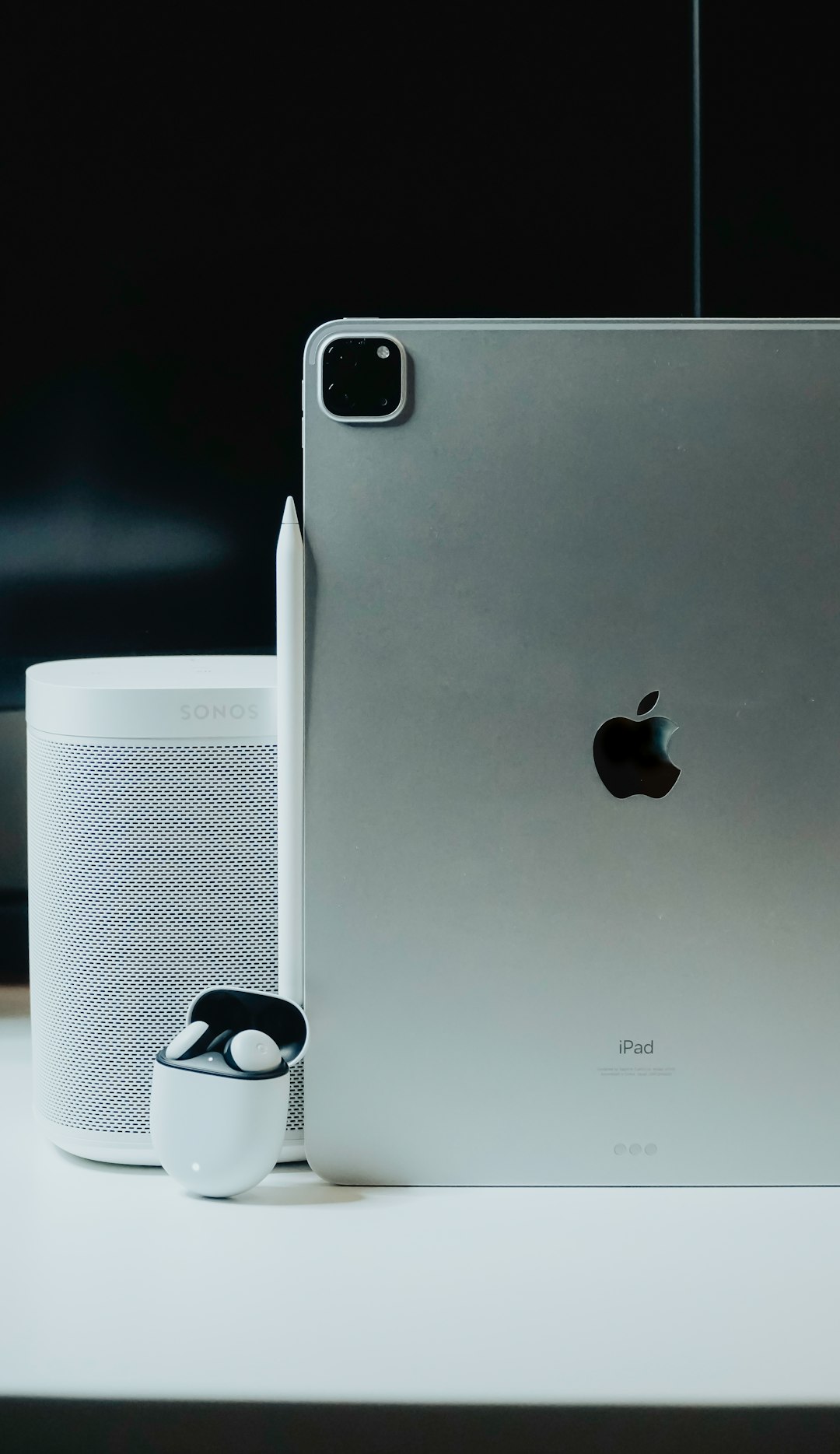
Siri’s primary advantages:
- End-to-end encrypted requests for enhanced privacy
- Tight integration with iPhone, iPad, Mac, Apple Watch, and HomePod
- HomeKit-certified device compatibility
- On-device processing for many commands
Apple emphasizes controlled certification for HomeKit devices, ensuring higher security standards. Although this curated ecosystem limits quantity compared to Alexa, it improves stability and trust—a major factor for privacy-conscious users.
4. Samsung Bixby
Samsung Bixby is deeply embedded within Samsung’s ecosystem of smartphones, appliances, TVs, and smart home devices. While it may not have the same third-party scale as Alexa or Google Assistant, it shines in device-level control.
Standout features:
- Deep control over Samsung Galaxy devices
- Integration with SmartThings smart home platform
- Advanced contextual awareness within Samsung apps
- Multi-device orchestration in Samsung households
Bixby is particularly effective when managing Samsung appliances such as refrigerators, washing machines, and smart TVs. Through SmartThings, it connects thousands of compatible third-party devices, enhancing its smart home viability.
5. Microsoft Cortana (Enterprise Focus)
Although Microsoft has scaled back Cortana’s consumer-focused features, it remains relevant in enterprise environments. Cortana now operates primarily as a productivity-oriented assistant within Microsoft 365.
Its enterprise-focused integrations include:
- Outlook email and calendar management
- Microsoft Teams meeting coordination
- Workflow automation in business environments
- AI-powered task management
Rather than focusing on smart homes, Cortana supports workplace efficiency. Integrated across Windows PCs and Microsoft 365 applications, it helps businesses streamline scheduling, reminders, and communication processes.
6. Alibaba AliGenie
AliGenie dominates China’s rapidly expanding smart home market. Developed by Alibaba, it powers Tmall Genie smart speakers and integrates deeply with Chinese e-commerce and IoT ecosystems.
Image not found in postmetaCore capabilities include:
- Integration with Alibaba’s retail platforms
- Voice-controlled shopping experiences
- Compatibility with thousands of Chinese IoT brands
- Smart city and enterprise applications
AliGenie benefits from Alibaba’s commerce infrastructure, allowing users to order products, manage deliveries, and control home devices using a single platform. Its regional dominance demonstrates the importance of localized ecosystems.
7. Baidu DuerOS
Baidu’s DuerOS is another powerful voice assistant platform leading the Chinese AI market. Built with strong natural language processing capabilities, DuerOS integrates into speakers, smart displays, and even vehicles.
Highlights:
- AI-driven conversational abilities
- Automotive integrations in smart vehicles
- Wide IoT compatibility in Asia
- Developer-friendly open AI platform
DuerOS supports thousands of smart devices and is especially prominent in automotive applications, enabling voice navigation, media control, and vehicle diagnostics.
What Makes These Platforms Powerful?
While each assistant differs, several factors contribute to their widespread adoption:
- Developer ecosystems: Open APIs and SDKs encourage third-party innovation.
- IoT compatibility: Support for multiple connectivity protocols such as Zigbee, Matter, and Wi-Fi.
- Artificial intelligence: Advanced NLP improves understanding and contextual relevance.
- Cross-device functionality: Integration across phones, speakers, cars, and appliances.
- Automation features: Custom routines and triggers simplify daily tasks.
The introduction of Matter, a universal smart home standard, is further unifying device compatibility across Alexa, Google Assistant, and Apple HomeKit. This is helping reduce fragmentation and increasing interoperability among platforms.
How to Choose the Right Platform
Selecting the ideal voice assistant depends on several considerations:
- Existing devices: iPhone users may prefer Siri, while Android owners often lean toward Google Assistant.
- Smart home scope: Large, highly customized setups often benefit from Alexa’s wide integration range.
- Privacy priorities: Apple’s privacy-centric policies may appeal to security-focused individuals.
- Regional availability: AliGenie and DuerOS dominate Chinese markets.
- Business vs. consumer use: Cortana aligns more with enterprise productivity.
Ultimately, the strength of these platforms lies not only in voice recognition but also in how effectively they connect entire digital ecosystems.
The Future of Voice Integration
Voice technology continues evolving with generative AI capabilities, improved contextual understanding, and predictive automation. Modern assistants are moving beyond simple commands into proactive digital companions that anticipate needs.
Emerging trends include:
- Conversational AI with memory and personalization
- Edge computing for faster, more private responses
- Expanded automotive and wearable integrations
- Smart city infrastructure connectivity
As IoT device adoption grows globally, the number of compatible integrations across these platforms is expected to multiply. The result will likely be smarter homes, more efficient workplaces, and increasingly intuitive digital experiences.
Frequently Asked Questions (FAQ)
1. Which voice assistant supports the most smart home devices?
Amazon Alexa is generally considered the leader in total smart home integrations due to its extensive Skills marketplace and broad manufacturer support.
2. Is Google Assistant better than Alexa?
It depends on priorities. Google Assistant typically excels in natural language processing and contextual responses, while Alexa offers broader smart home device compatibility.
3. Is Siri good for smart homes?
Yes, particularly for users already invested in the Apple ecosystem. HomeKit offers strong security and reliable performance, though device options may be more curated.
4. Are voice assistants secure?
Most platforms incorporate encryption and privacy controls. Apple emphasizes on-device processing, while Amazon and Google provide privacy dashboards for managing stored recordings.
5. Can multiple voice assistants work in the same home?
Yes. Many households use a mix of Alexa, Google Assistant, and Siri devices. With the rise of Matter, cross-platform device compatibility is improving significantly.
6. Do voice assistants require internet access?
Most advanced features rely on cloud processing, so internet connectivity is generally required. However, some platforms now support limited offline commands.
7. Which assistant is best for business use?
Microsoft Cortana, integrated with Microsoft 365 tools, is most aligned with enterprise productivity and collaboration environments.