
8 TouchBistro Alternatives for Restaurant POS Systems
TouchBistro is a popular restaurant POS system, especially among cafés, bars, food trucks, and full-service restaurants that want an iPad-based setup. Still, it is not the perfect fit for every operation. Some restaurants need deeper delivery integrations, stronger multi-location reporting, lower payment processing costs, or more flexible hardware options. If you are comparing systems, the best TouchBistro alternative depends on your service style, budget, growth plans, and how much control you want over payments, inventory, and customer data.
TLDR: The best TouchBistro alternatives include Toast, Square for Restaurants, Lightspeed Restaurant, Clover, SpotOn, Revel Systems, Lavu, and Oracle MICROS Simphony. For example, a fast-casual restaurant doing 350 orders per day may prefer Toast for kitchen display systems and online ordering, while a small coffee shop may save money with Square’s simpler pricing. If your restaurant is growing from one location to three, prioritize platforms with strong reporting, centralized menus, and reliable integrations.
1. Toast: Best for Restaurants That Want an All-in-One Platform
Toast is one of the strongest TouchBistro alternatives for restaurants that want POS, payments, online ordering, delivery, loyalty, payroll, and kitchen operations in one ecosystem. It is built specifically for food service, which makes it especially useful for full-service restaurants, quick-service concepts, bars, and franchises.
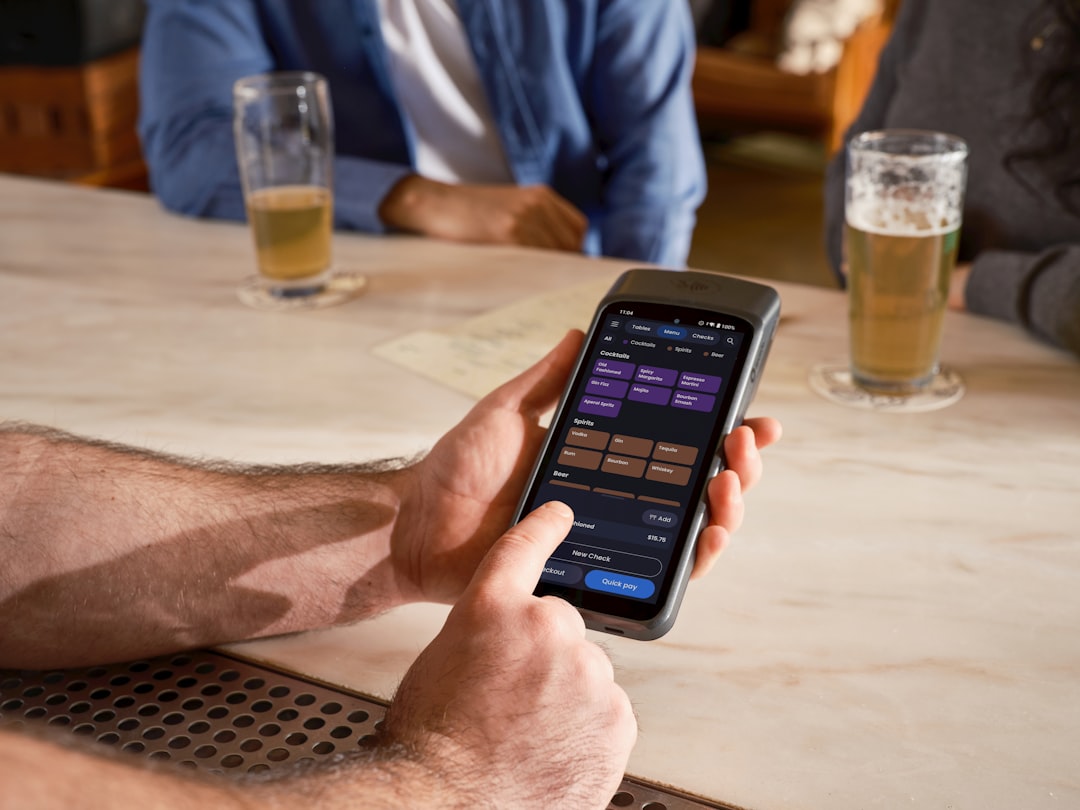
Toast runs on Android-based hardware and offers tools such as handheld ordering, kitchen display systems, tableside payments, and integrated online ordering. Its restaurant-first design is a major advantage. Servers can split checks, fire courses, customize modifiers, and send orders directly to the kitchen with minimal friction.
Best for: growing restaurants that want robust operations and built-in restaurant tools.
- Pros: Excellent restaurant features, strong online ordering, durable hardware.
- Cons: Payment processing is tied to Toast, and costs can rise with add-ons.
2. Square for Restaurants: Best for Small Restaurants and Cafés
Square for Restaurants is a user-friendly alternative for smaller businesses that want a simple, affordable POS. It is popular with cafés, bakeries, food trucks, pop-ups, and casual dining spots because setup is quick and the interface is easy to learn.
Square’s biggest advantage is accessibility. You can start with basic tools and add features like team management, loyalty, marketing, online ordering, and payroll as needed. For a new restaurant that wants to open quickly without a complicated onboarding process, Square is a practical choice.
Best for: small restaurants, coffee shops, and first-time operators.
- Pros: Easy to use, transparent pricing, strong free and entry-level options.
- Cons: Advanced restaurant workflows may feel limited for complex operations.
3. Lightspeed Restaurant: Best for Inventory and Multi-Location Management
Lightspeed Restaurant is a strong choice for restaurants that care deeply about reporting, inventory, and centralized control. It works well for hospitality groups, multi-location restaurants, and venues with large menus or detailed stock requirements.
Compared with TouchBistro, Lightspeed often appeals to businesses that need more advanced analytics. Managers can track sales trends, ingredient usage, employee performance, and menu profitability. This is especially helpful if you are trying to reduce food waste or identify which menu items have the best margins.
Best for: restaurants with multiple locations or complex inventory needs.
- Pros: Strong reporting, good inventory tools, scalable for growing brands.
- Cons: Some features may require higher-tier plans or integrations.
4. Clover: Best for Flexible Hardware and Payment Options
Clover is another widely used POS platform that serves restaurants, retail shops, and service businesses. For restaurants, Clover offers countertop terminals, handheld devices, kitchen printers, online ordering, and customer engagement tools.
One reason restaurant owners consider Clover is its hardware variety. A quick-service restaurant might use a compact countertop unit, while a busy bar may benefit from handheld devices for faster checkout. Clover also has an app marketplace, allowing businesses to add functions such as reservations, accounting, employee scheduling, and loyalty.
Best for: restaurants that want attractive hardware and app-based customization.
- Pros: Modern hardware, broad app marketplace, easy interface.
- Cons: Pricing and contract terms can vary depending on the reseller.

5. SpotOn: Best for Customer Engagement and Local Restaurant Support
SpotOn is a restaurant POS system that combines core point-of-sale features with marketing, loyalty, reservations, online ordering, and review management. It is often positioned as a hands-on platform with local support, which can be appealing for independent restaurants that want help during setup and ongoing operations.
SpotOn is useful for restaurants that want to turn guests into repeat customers. Its loyalty and marketing features allow operators to send offers, collect customer data, and encourage return visits. For example, a neighborhood bistro could use automated promotions to bring guests back during slower weekday periods.
Best for: independent restaurants focused on guest retention.
- Pros: Strong loyalty tools, restaurant-focused features, good support reputation.
- Cons: Pricing may depend on your package and processing arrangement.
6. Revel Systems: Best for High-Volume and Complex Operations
Revel Systems is an iPad-based POS platform designed for businesses that need deep customization and enterprise-level control. It is used by restaurants, quick-service chains, stadium vendors, and multi-location food businesses.
Revel can handle complex menus, multiple revenue centers, advanced employee permissions, delivery management, and detailed reporting. It is more robust than many simple POS systems, but that also means it may require more configuration and training. For operators who need control and scalability, the extra setup can be worthwhile.
Best for: high-volume restaurants, chains, and complex service models.
- Pros: Highly customizable, scalable, strong enterprise features.
- Cons: May be more expensive and less beginner-friendly than simpler systems.
7. Lavu: Best for iPad-Based Restaurant Operations
Lavu is another iPad POS system and may feel familiar to restaurants already considering TouchBistro. It is built for food service and includes features such as table management, menu customization, employee scheduling, inventory tracking, loyalty, and online ordering.
Lavu can be a good fit for restaurants that want the mobility of iPads without committing to a more complex enterprise system. It supports many restaurant types, including bars, pizzerias, cafés, and full-service dining rooms. Its interface is relatively approachable, and operators can add modules as their needs grow.
Best for: restaurants that like iPad POS systems and want flexibility.
- Pros: Restaurant-specific tools, iPad-based setup, flexible add-ons.
- Cons: Some users may need integrations for advanced reporting or specialized workflows.
8. Oracle MICROS Simphony: Best for Hotels, Resorts, and Enterprise Restaurants
Oracle MICROS Simphony is a powerful POS platform for large hospitality groups, hotel restaurants, resorts, casinos, stadiums, and global chains. It is far more enterprise-focused than TouchBistro and is designed for complex environments where reliability, compliance, and centralized control are critical.
Simphony supports multi-property management, advanced reporting, menu synchronization, kitchen routing, loyalty integrations, and large-scale operational oversight. It is not usually the first choice for a small café, but it can be ideal for organizations managing dozens or hundreds of revenue points.
Best for: enterprise hospitality brands and large restaurant groups.
- Pros: Enterprise-grade reliability, deep hospitality features, strong scalability.
- Cons: More complex and likely more expensive than small-business POS options.

How to Choose the Right TouchBistro Alternative
Before switching POS systems, look beyond the monthly subscription price. A restaurant POS affects nearly every part of your business, from order accuracy and labor costs to guest experience and reporting. A system that saves each server 10 minutes per shift or reduces order errors by even 5% can have a meaningful impact over time.
When comparing options, consider:
- Service style: Full-service restaurants need table management and coursing, while quick-service shops need speed and simple modifiers.
- Payment flexibility: Some platforms require in-house processing, while others offer more choice.
- Online ordering: Built-in ordering can reduce reliance on third-party delivery apps.
- Inventory tools: Ingredient-level tracking is valuable if food costs are a major concern.
- Scalability: A single-location café has different needs than a restaurant group planning expansion.
- Support: Restaurants operate outside normal office hours, so reliable support matters.
Final Thoughts
The best TouchBistro alternative depends on what your restaurant needs most. Toast is excellent for all-in-one restaurant operations, Square is ideal for smaller businesses that value simplicity, and Lightspeed is strong for reporting and multi-location control. Clover offers flexible hardware, SpotOn shines in customer engagement, Revel supports complex operations, Lavu remains a solid iPad-based option, and Oracle MICROS Simphony fits enterprise hospitality environments.
Choosing a POS is not just a technology decision; it is an operations decision. The right system should help your team move faster, serve guests better, understand sales clearly, and grow with confidence.