
Archibus Software Review: Facility Management Features, Pricing, and Alternatives
Choosing facility management software is less about buying a single tool and more about selecting an operating system for buildings, assets, space, maintenance, compliance, and long-term workplace planning. Archibus, now part of Eptura’s workplace and asset management portfolio, is one of the more established platforms in this category and is commonly considered by large organizations with complex real estate and facilities requirements.
TLDR: Archibus is a robust, enterprise-oriented facility management platform best suited for organizations managing large property portfolios, regulated environments, or complex asset networks. Its strengths include space management, maintenance workflows, asset tracking, capital planning, and reporting, but pricing is typically quote-based and implementation can be demanding. For example, a university managing 2 million square feet across 40 buildings could use Archibus to improve space utilization by 10–15% and reduce reactive maintenance through better preventive scheduling. Smaller teams may find alternatives such as FM:Systems, Planon, IBM TRIRIGA, or iOFFICE easier to adopt depending on needs and budget.
What Is Archibus?
Archibus is an Integrated Workplace Management System and Computer-Aided Facility Management platform designed to help organizations manage buildings, infrastructure, space, maintenance, assets, leases, and capital projects. It is commonly used by government agencies, universities, healthcare systems, corporate campuses, and global enterprises.
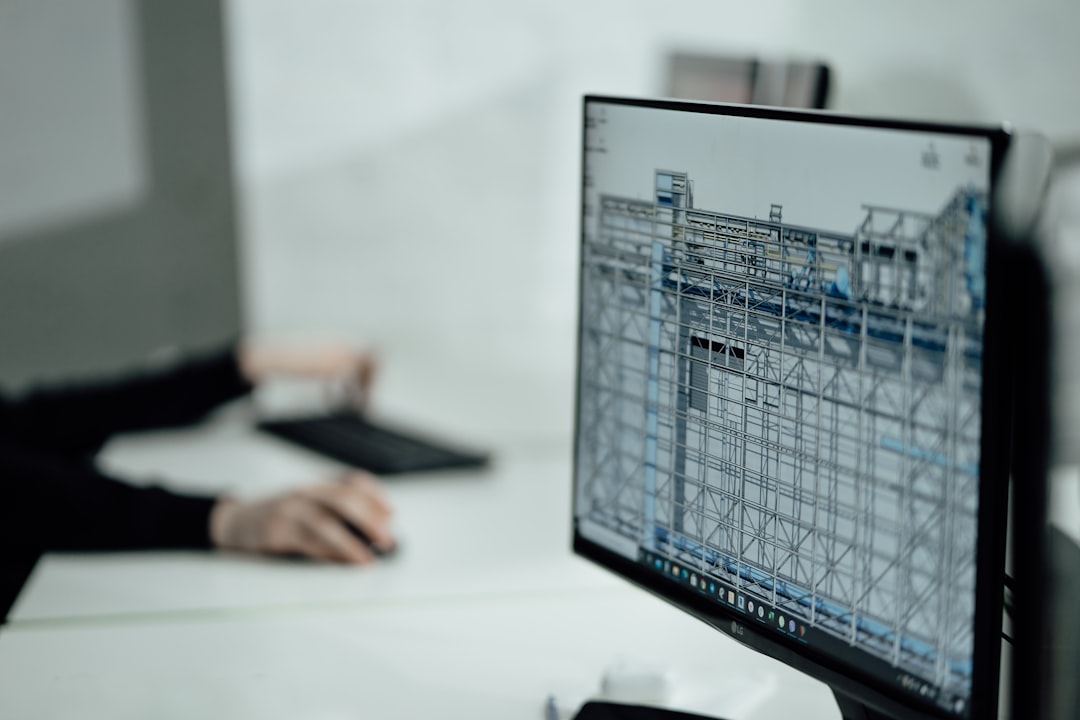
The software has a long history in facility management and is known for supporting detailed building data, CAD and BIM integrations, and structured workflows. Unlike lightweight maintenance apps, Archibus is built for organizations that need governance, data standardization, reporting, and multi-site visibility.
Key Facility Management Features
Archibus is modular, so organizations can select capabilities based on operational priorities. The platform’s depth is one of its biggest advantages, although it also means buyers should clearly define scope before implementation.
1. Space Management
Archibus is particularly strong in space planning and occupancy management. Facility teams can track floor plans, departments, room usage, employee locations, and utilization patterns. This is valuable for organizations trying to optimize hybrid work, consolidate offices, or justify real estate decisions.
- Floor plan and room inventory management
- Occupancy tracking and departmental chargebacks
- Move management and scenario planning
- Support for CAD-based space data
For example, a corporate real estate team may identify that one office floor averages only 52% occupancy and then reconfigure the space to reduce leased area or support shared workstations.
2. Maintenance Management
Archibus includes maintenance features for handling both reactive work orders and preventive maintenance. Teams can create service requests, assign technicians, track labor and materials, and monitor completion times. Preventive schedules can be tied to equipment records, helping reduce downtime and improve asset reliability.
This is especially useful in environments where facility failures have direct operational consequences, such as hospitals, laboratories, manufacturing sites, and data centers.
3. Asset and Equipment Tracking
The platform allows organizations to maintain a detailed inventory of physical assets, including HVAC systems, electrical equipment, furniture, safety assets, and specialized machinery. Asset data can include location, condition, lifecycle status, replacement cost, warranty details, and maintenance history.
The advantage is not merely knowing what assets exist, but understanding their financial and operational impact over time. This helps facility leaders plan replacements before failures become expensive emergencies.
4. Capital Planning and Project Management
Archibus supports long-term capital planning by helping teams prioritize projects, forecast costs, and align facility investments with business objectives. Organizations can evaluate deferred maintenance, renovation requirements, sustainability initiatives, and infrastructure upgrades.
For public institutions and universities, this can be especially valuable because facility investments often require multi-year planning, budget approval, and transparent reporting.

5. Real Estate and Lease Administration
Many organizations use Archibus to manage real estate portfolios, lease data, property costs, and key dates. The system can help reduce the risk of missed renewals, improve cost visibility, and support decisions about whether to renew, renegotiate, consolidate, or exit leased spaces.
6. Reporting, Analytics, and Compliance
Archibus provides dashboards and reporting tools that help facility leaders analyze work order performance, space usage, operating costs, and asset condition. Reporting can support compliance efforts, especially in regulated industries that require documentation of inspections, maintenance activity, or safety procedures.
However, reporting quality depends heavily on data discipline. Organizations that invest in accurate floor plans, standardized asset naming, and consistent work order processes will receive far more value than those that treat the platform as a basic ticketing system.
User Experience and Implementation
Archibus is powerful, but it is not typically considered a plug-and-play solution. Implementation may involve business process review, data migration, CAD or BIM alignment, system configuration, integrations, user training, and change management.
For a large enterprise, this level of structure can be a benefit. It allows the organization to create a single source of truth for facility data. For a small facilities team with limited IT support, however, the same complexity may feel excessive.
Best-fit users usually include:
- Large organizations with multiple buildings or campuses
- Teams needing strong space and asset data management
- Organizations with formal maintenance, compliance, or capital planning processes
- Facility departments that can dedicate time to implementation and data governance
Archibus Pricing
Archibus pricing is generally not publicly listed in a simple per-user format. Costs usually depend on the modules selected, number of users, deployment model, integrations, data migration requirements, and implementation services. Buyers should expect a quote-based pricing process.
In practice, total cost can include:
- Software subscription or licensing fees
- Implementation and configuration services
- Data cleansing and migration
- CAD, BIM, ERP, or HR system integrations
- Training, support, and ongoing administration
Because of this, Archibus is often better evaluated through total cost of ownership rather than license cost alone. A lower upfront price is less important if the system cannot support space optimization, lifecycle planning, or compliance reporting at the required level.
Pros and Cons
Pros:
- Comprehensive feature set for enterprise facility management
- Strong space, asset, and maintenance capabilities
- Suitable for complex portfolios and regulated environments
- Supports long-term capital planning and reporting
- Can integrate with building data, CAD, BIM, and enterprise systems
Cons:
- Pricing is not transparent and may be expensive for smaller teams
- Implementation can be complex and time-consuming
- Requires disciplined data management to deliver full value
- May be more functionality than needed for simple maintenance operations
Top Archibus Alternatives
Archibus is not the only credible option in the facility management software market. The best alternative depends on whether the priority is real estate management, maintenance, workplace experience, or enterprise governance.
- IBM TRIRIGA: A strong enterprise IWMS option for real estate, capital projects, lease management, and workplace operations. It is typically considered by large organizations with complex portfolios.
- Planon: A mature facility and real estate management platform with broad functionality, including maintenance, sustainability, workplace services, and compliance-focused workflows.
- FM:Systems: Often attractive for organizations focused on space planning, workplace analytics, hybrid work, and employee experience. It can be a strong fit for corporate real estate teams.
- iOFFICE: A workplace management platform that may appeal to companies prioritizing employee-facing workplace tools, reservations, space visibility, and hybrid office operations.
- ServiceChannel or UpKeep: Better suited for organizations that primarily need maintenance management, vendor coordination, or mobile work order execution rather than a full IWMS.
Final Verdict
Archibus is a serious facility management platform for serious operational environments. Its biggest strengths are depth, structure, and enterprise scalability. Organizations that manage large building portfolios, need reliable space data, track expensive assets, or plan capital investments can gain substantial value from the platform.
That said, Archibus is not always the most practical choice for smaller organizations or teams seeking a fast, low-cost maintenance tool. The software delivers the best results when paired with clear objectives, clean data, executive support, and a realistic implementation plan.
Overall, Archibus is best viewed as a strategic facilities and workplace management system, not just a work order application. For organizations with the scale and discipline to use it properly, it can become a central source of truth for facility operations, real estate decisions, and long-term asset planning.