
B2B Email Marketing Examples: Effective Campaigns, Strategies, and Templates
The strongest B2B email campaigns sell the next step, not the whole product. Effective teams send short, segmented emails tied to a clear business problem, then guide prospects toward a demo, trial, reply, or sales call.
TLDR: B2B email works best when each message matches the buyer’s role, pain point, and stage in the sales cycle. A SaaS company sending a three email trial nurture sequence could lift demo bookings from 4% to 9% by adding role based pain points and a single CTA. For example, finance leads may receive ROI proof, while operations leads get workflow savings. Strong campaigns use clean lists, plain language, useful proof, and tight follow up timing.
What Makes a B2B Email Campaign Effective?
B2B buyers are busy, skeptical, and often part of a committee. That means every email must earn attention fast. A good campaign answers three questions:
- Why this person? The message fits the recipient’s role, industry, or recent action.
- Why now? The email connects to a current trigger, such as funding, hiring, software renewal, or product usage.
- Why respond? The CTA is clear, low risk, and easy to act on.
It drives many teams crazy that some email tools make simple segmentation take six or seven extra clicks. Still, segmentation is worth the irritation. Generic blasts rarely beat targeted campaigns. A CFO, sales director, and IT manager may all care about the same product, but not for the same reason.
Example 1: Cold Outreach Campaign
A cold B2B email should feel researched, not mass produced. The goal is usually a reply, not a purchase. The best cold emails are short and specific.
Use case: A cybersecurity firm targets mid market healthcare companies that recently posted jobs for compliance managers. The campaign points to audit risk and offers a short security checklist.
Sample template:
Subject: Quick question about compliance audits
Hi {{FirstName}},
{{Company}} appears to be expanding its compliance team. Many healthcare firms at that stage find gaps in vendor access controls before an audit.
The sender’s team built a short checklist that helps security and compliance leaders spot common issues in under 10 minutes.
Would it make sense to send it over?
Why it works: It uses a business trigger, keeps the ask small, and avoids a hard pitch. The recipient only has to say yes to a resource.
Example 2: Lead Magnet Follow Up
When someone downloads a report, guide, calculator, or checklist, speed matters. A helpful follow up should arrive while the topic is still fresh. But it should not act like the person begged for a sales call. That feels lazy.
Campaign structure:
- Email 1: Deliver the asset and highlight one useful section.
- Email 2: Share a related customer result or benchmark.
- Email 3: Invite the lead to compare their current process against a simple scorecard.
Sample template:
Subject: The benchmark most teams miss
Hi {{FirstName}},
The report {{DownloadedAsset}} shows that teams with documented handoff rules close projects 22% faster on average.
One pattern stands out: delays usually appear between approval and implementation, not during planning.
If useful, the sender’s team can share a five point scorecard to compare {{Company}} against the benchmark.
Should it be sent?
Why it works: The email adds insight beyond the download. It also offers a next step that feels relevant and low pressure.
Example 3: Product Trial Nurture
Trial users need momentum. If they log in once and get confused, the account may go silent. Honestly, it feels like many software trials hide the first useful action behind too many menus. A good nurture sequence removes that friction.

Campaign structure:
- Day 0: Welcome email with one setup step.
- Day 2: Feature email tied to the user’s role.
- Day 5: Proof email with a customer result.
- Day 9: Usage based reminder if no key action happened.
- Day 13: Upgrade or demo prompt.
Sample template:
Subject: One setup step that saves time later
Hi {{FirstName}},
The fastest path to value is setting up {{KeyFeature}} first. Most active customers finish this step in about four minutes.
Once complete, {{Company}} can start tracking {{MainBenefit}} without manual updates.
Here is the setup guide: {{Link}}
Why it works: It focuses on activation, not feature overload. It gives the user one job.
Example 4: Customer Expansion Campaign
Existing customers often produce the highest email return. They already trust the company, but they may not know every service or plan option. Expansion emails should connect upgrades to proven usage, not vague benefits.
Use case: An HR software provider sees that a customer added 80 new employees in six months. The account is near its plan limit. The expansion email points out admin strain and offers a plan review.
Sample template:
Subject: {{Company}} may be outgrowing its current setup
Hi {{FirstName}},
{{Company}} has added a large number of employee records this year. Larger teams often need stronger permission controls and automated approval paths.
The current plan may still work, but a quick review could show whether admins are losing time on manual tasks.
Would next Tuesday or Wednesday work for a 20 minute account review?
Why it works: The message is based on account behavior. It positions the upgrade as a fit check, not a forced sale.
Core Strategies Behind Strong B2B Email
- Segment by role: Send different angles to executives, users, buyers, and technical reviewers.
- Use one CTA: Too many choices reduce action.
- Write like a person: Short lines beat bloated copy.
- Add proof: Use numbers, customer quotes, or short case results.
- Time follow ups: A reply based email may need two to four follow ups over two weeks.
- Clean the list: Bad data damages deliverability and wastes sales time.
Metrics That Matter
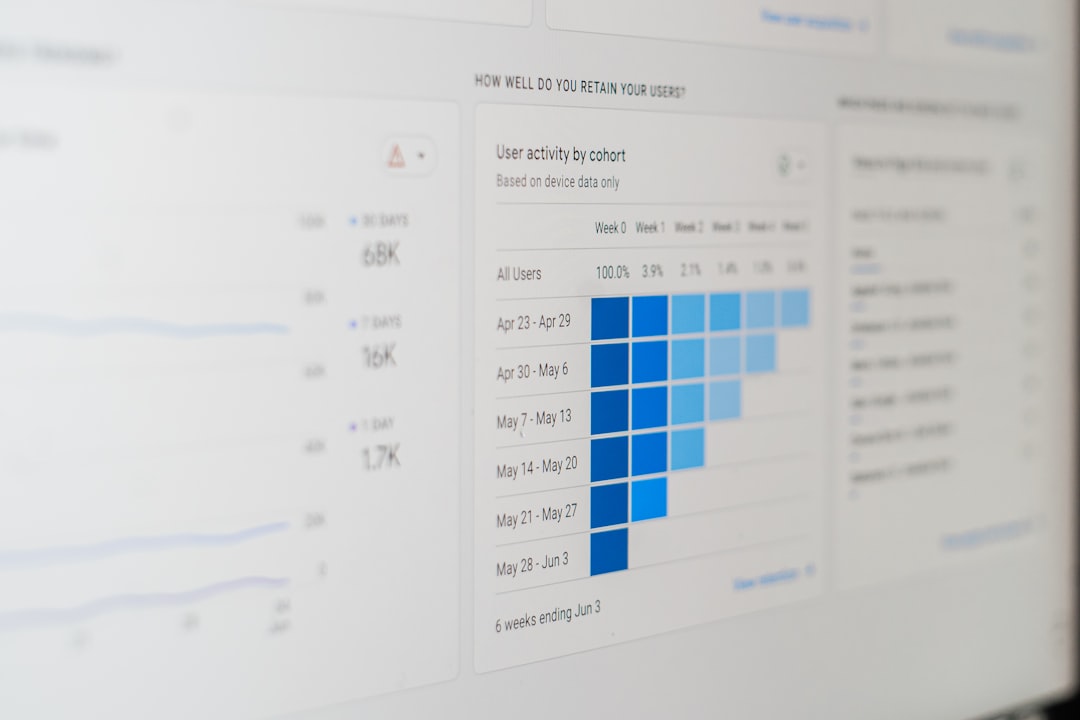
Open rates help, but they do not tell the full story. A subject line can earn opens and still produce no pipeline. Strong teams track the metrics linked to revenue.
- Reply rate: Useful for cold campaigns and sales outreach.
- Click rate: Helpful for content offers and product education.
- Demo booking rate: Key for demand generation.
- Activation rate: Critical for trial nurture emails.
- Pipeline influenced: Best for judging long sales cycles.
A solid campaign review compares audience, offer, CTA, and timing. If a campaign earns a 38% open rate but only a 0.5% demo rate, the issue may not be the subject line. The offer or CTA may be weak.
Quick B2B Email Template Framework
Subject: Specific outcome or business issue
Opening: Mention the trigger, role, or context.
Problem: State the likely pain in one sentence.
Proof: Add a result, benchmark, or short example.
CTA: Ask for one small action.
Example: “Would it make sense to send the checklist?” often works better than “Book a meeting now.” The first request feels easy. The second asks for calendar time before trust exists.
FAQ
-
What is the best B2B email marketing example?
A strong example is a segmented trial nurture campaign that guides users toward one key action at a time. It can improve activation and create more qualified demo requests.
-
How often should B2B emails be sent?
For nurture campaigns, one to two emails per week is common. For cold outreach, three to five total emails over two to three weeks often works well.
-
What should every B2B marketing email include?
Each email should include a clear reason for contact, a relevant business benefit, some form of proof, and one direct CTA.
-
Are plain text emails better than designed emails?
Plain text often works well for sales outreach because it feels personal. Designed emails can work better for newsletters, product updates, and event campaigns.
-
What is a good B2B email CTA?
A good CTA asks for a simple next step, such as a reply, checklist request, demo booking, or scorecard review.