
Best Content Marketing Platforms: Features, Use Cases, and Alternatives
The best content marketing platform is the one that helps your team plan, create, publish, and measure content without turning every blog post into a tiny office war. For most teams, HubSpot is the safest all-in-one pick. Semrush is great for SEO-heavy teams. StoryChief is excellent for publishing across channels. Contentful fits larger teams that need structured content.
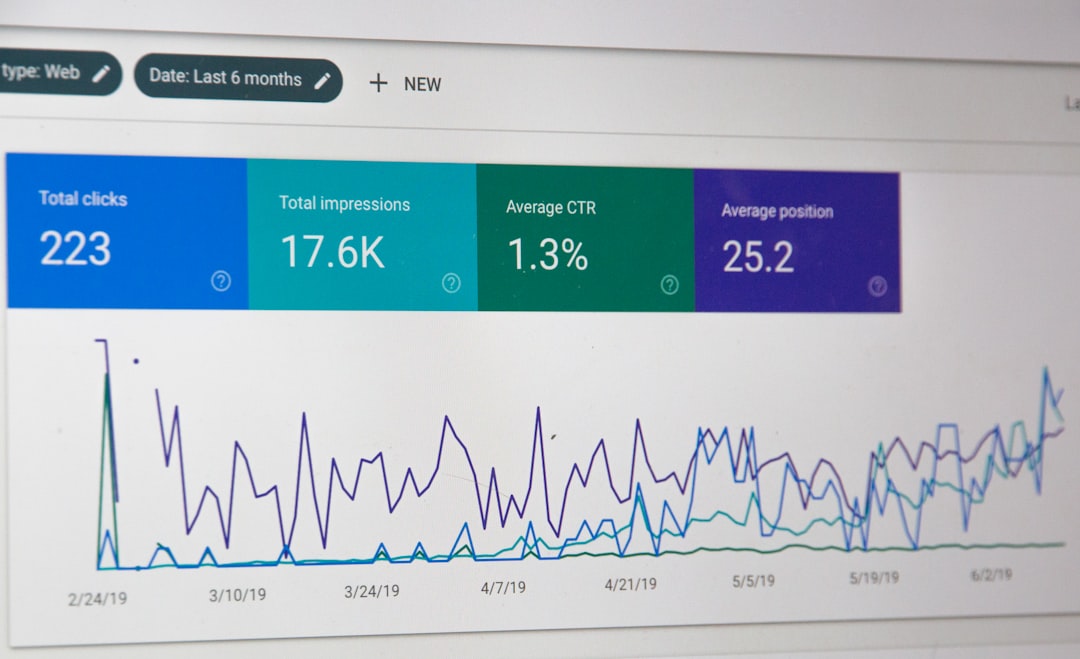
TLDR: Pick HubSpot if you want one place for content, CRM, email, and reports. Pick Semrush if search traffic is your main goal. A small SaaS team publishing 12 articles per month could use Semrush to find low-competition keywords, then use HubSpot to track leads; a 25% to 40% lift in organic clicks over six months is realistic with steady work. If your team is tiny, use WordPress + Notion + Buffer and save the fancy stuff for later.
What Is a Content Marketing Platform?
A content marketing platform is software that helps you manage the content machine.
That machine includes:
- Blog ideas
- SEO research
- Content calendars
- Writing workflows
- Approvals
- Publishing
- Email promotion
- Social posts
- Performance reports
Simple idea. Big mess if you use 14 random tabs. Honestly, it feels like some tools were built by people who enjoy watching marketers hunt for buttons.

1. HubSpot: Best All-in-One Platform
Best for: teams that want content, email, CRM, forms, landing pages, and analytics in one place.
HubSpot is the big friendly toolbox. You can create blog posts, build landing pages, send emails, track leads, and see which content brings revenue. That last part matters. A blog post with 3,000 views is nice. A blog post that brings 40 demo requests is better.
Top features:
- Blog and landing page builder
- Email marketing
- CRM tracking
- Lead forms and popups
- Campaign reports
- AI writing help
Use case: A B2B company wants to know which ebook, blog, or webinar created leads. HubSpot connects those dots well.
Annoying bit: Pricing can climb fast. Some useful features sit in higher plans. That hurts when your budget is already making sad noises.
Alternatives: ActiveCampaign, Mailchimp, Zoho Marketing Plus.
2. Semrush: Best for SEO Content Planning
Best for: teams that live and breathe Google traffic.
Semrush is not just an SEO tool. It helps you find topics, check competitors, plan content, audit pages, and track rankings. If people search for your product, Semrush can help you meet them there.
Top features:
- Keyword research
- Topic ideas
- Competitor analysis
- Content templates
- SEO writing assistant
- Rank tracking
Use case: An online store wants more traffic for “best running shoes for flat feet.” Semrush shows keyword difficulty, related terms, search intent, and rival pages.
Annoying bit: The dashboard can feel crowded. Expect to click around a lot at first. It may take 10 extra minutes just to find the report you swear you saw yesterday.
Alternatives: Ahrefs, Moz, SE Ranking, Surfer SEO.
3. StoryChief: Best for Multi-Channel Publishing
Best for: teams that publish blogs, newsletters, and social posts from one workflow.
StoryChief is built for content teams that hate copy-paste chaos. Write once. Then send content to your blog, email, and social channels. It also supports collaboration and approvals.
Top features:
- Editorial calendar
- Multi-channel publishing
- Team comments
- Approval workflows
- SEO scoring
- Content campaign tracking
Use case: A marketing agency manages content for five clients. StoryChief helps keep each client’s posts, edits, and approvals separate.
Alternatives: CoSchedule, Planable, Buffer, Hootsuite.
4. Contentful: Best for Large Content Operations
Best for: companies with websites, apps, product pages, and content in many languages.
Contentful is a headless CMS. That means content is stored in one place and sent to many places. A website. An app. A help center. A digital display. Whatever your developers connect.
Top features:
- Structured content models
- API-based publishing
- Translation workflows
- Role controls
- Content reuse
- Developer-friendly setup
Use case: A global brand needs one product description reused on 12 country sites and a mobile app. Contentful keeps that content clean and consistent.
Annoying bit: It is not plug-and-play for non-technical teams. You may need developers. If you just want to publish a blog by lunch, this may feel like bringing a forklift to move a sandwich.
Alternatives: Sanity, Strapi, Prismic, Webflow CMS.
5. CoSchedule: Best for Content Calendars
Best for: teams that need order, deadlines, owners, and fewer “who has the draft?” messages.
CoSchedule shines as a marketing calendar. It helps teams plan blog posts, emails, campaigns, and social posts. You can see what is going live, who owns it, and what is late.
Top features:
- Marketing calendar
- Task assignments
- Social scheduling
- Campaign planning
- Headline analyzer
- Team workflows
Use case: A content manager handles three writers, two designers, and one very busy CEO approver. CoSchedule keeps the machine from catching fire.
Alternatives: Trello, Asana, Monday.com, ClickUp.
6. WordPress: Best Cheap and Flexible Option
Best for: bloggers, startups, creators, and small businesses.
WordPress is still the classic content base. It is flexible, affordable, and supported by a huge plugin world. You can add SEO tools, forms, analytics, security, and design features.
Top features:
- Easy blog publishing
- Thousands of plugins
- SEO add-ons
- Custom themes
- User roles
- Large support community
Use case: A solo consultant wants to publish weekly posts, collect email leads, and rank on Google. WordPress with Rank Math or Yoast can do the job.
Annoying bit: Plugins can fight each other. One update can break a layout. Nothing says “fun Friday” like a contact form vanishing for no reason.
Alternatives: Ghost, Webflow, Squarespace, Wix.

How to Pick the Right Platform
Do not start with features. Start with your problem.
- Need more search traffic? Choose Semrush, Ahrefs, or Surfer SEO.
- Need lead tracking? Choose HubSpot or ActiveCampaign.
- Need a clean calendar? Choose CoSchedule, Asana, or ClickUp.
- Need multi-channel publishing? Choose StoryChief or Planable.
- Need enterprise content control? Choose Contentful or Sanity.
- Need low cost? Choose WordPress, Notion, and Buffer.
Simple Starter Stacks
For a solo creator: WordPress, Google Analytics, Mailchimp, Canva, Buffer.
For a small B2B team: HubSpot, Semrush, Notion, Google Search Console.
For an agency: StoryChief, ClickUp, Semrush, Looker Studio.
For a large company: Contentful, HubSpot, Bynder, Airtable, Semrush.
Final Pick
If you want one strong answer, choose HubSpot. It covers the most ground. If SEO is your whole game, choose Semrush. If publishing across channels is the daily headache, choose StoryChief.
The best platform should save time, reduce confusion, and show what content actually works. If it cannot do that, it is just another shiny tab you forgot to close.