
Best Time to Post on Social Media: How to Build an Effective Publishing Schedule Across Instagram, Facebook, TikTok, LinkedIn, and YouTube
The best time to post on social media is when a brand’s own audience is already active, but a strong starting point is midweek mornings and early afternoons, adjusted by platform. Instagram and TikTok often perform well outside strict office hours, LinkedIn favors business hours, Facebook rewards early engagement, and YouTube needs extra time for search and subscriber discovery.
TLDR: A good publishing schedule starts with platform patterns, then gets refined with real analytics after 30 days. For example, a small fitness brand might find that Instagram Reels at 7:30 p.m. earn 38% more saves, while LinkedIn posts at 9:00 a.m. Tuesday bring 22% more profile clicks. The best plan is not one perfect time. It is a repeatable weekly rhythm backed by clicks, watch time, comments, and conversions.
Why Posting Time Still Matters
Algorithms do not show every post in strict time order, but timing still helps. Early engagement sends useful signals. If a post gets comments, saves, shares, or watch time soon after publishing, the platform has more reason to keep showing it.
The annoying part is that each platform reports activity in a slightly different way. Some dashboards hide useful details behind extra tabs. Others take too long to refresh. A social team may post at 10:00 a.m., see weak results by lunch, then discover later that the audience was most active at 6:00 p.m. That lag can waste a week of testing.
Best practice: each brand should use general timing benchmarks as a first draft only. The final schedule should come from its own audience data.
Best Times to Post by Platform
The times below are useful starting points. They should be read in the audience’s local time zone, not the company’s office time zone.
| Platform | Good Starting Times | Best Content Fit |
|---|---|---|
| Monday to Thursday, 9 a.m.–11 a.m. and 6 p.m.–8 p.m. | Reels, carousels, Stories, product visuals | |
| Tuesday to Thursday, 8 a.m.–11 a.m. | Community updates, links, events, local content | |
| TikTok | Tuesday to Friday, 6 p.m.–10 p.m.; weekends can work | Short video, trends, tutorials, entertainment |
| Tuesday to Thursday, 8 a.m.–10 a.m. and 12 p.m.–1 p.m. | B2B insights, company news, hiring, reports | |
| YouTube | Thursday to Sunday, 2 p.m.–5 p.m. | Long-form videos, Shorts, explainers, reviews |
Instagram: Build Around Habits, Not Guesswork
Instagram activity often peaks before work, at lunch, and after dinner. Reels may keep gaining reach for days, but the first hour still matters. Carousels often need saves and shares. Stories need frequent touches across the day.
- Reels: test evenings between 6 p.m. and 9 p.m..
- Carousels: test mornings between 9 a.m. and 11 a.m..
- Stories: post in small batches, such as morning, lunch, and evening.
A fashion retailer, for instance, might post Reels on Tuesday and Thursday evenings, carousels on Wednesday morning, and Stories daily. If saves rise above 5% of reach, that format deserves a bigger slot in the calendar.
Facebook: Early Interaction Helps
Facebook favors posts that spark reactions from people who already know the page. For many pages, early weekday mornings work because users check updates before the workday gets busy.
Local businesses should test posts between 8 a.m. and 10 a.m.. Event pages can also test evenings, especially when people are planning their week. Link posts often need stronger copy, since Facebook users may scroll past plain headlines.
It drives social teams mad when a post with a strong link gets buried because the preview image is dull. A better image, shorter opening line, and a clear reason to click can matter as much as the posting time.
TikTok: Evening Tests Are Often Worth It
TikTok is less tied to office hours. People open it when they are bored, commuting, relaxing, or avoiding chores. That makes evenings especially useful for testing.
- Post educational clips between 5 p.m. and 7 p.m..
- Post entertainment clips between 7 p.m. and 10 p.m..
- Test weekends if the audience is consumer-focused.
The key metric is not only views. Watch completion rate matters. A 20-second video with a 72% completion rate may beat a longer video with more raw views but weak retention.
LinkedIn: Respect the Workday
LinkedIn performs best when professionals are in work mode. Tuesday, Wednesday, and Thursday are often safer than Monday or Friday. Early morning posts can catch people before meetings. Lunch posts can reach readers during a break.
For B2B brands, a simple rhythm works well:
- Tuesday 9 a.m.: expert insight or industry comment.
- Wednesday 12 p.m.: case study, chart, or short lesson.
- Thursday 8:30 a.m.: company update, hiring post, or founder post.
LinkedIn rewards thoughtful comments. A team member should be ready to reply during the first hour. If replies come six hours later, momentum often fades.
YouTube: Publish Before Peak Viewing
YouTube behaves differently because videos need time to process, generate notifications, appear in search, and reach subscribers. For long-form videos, posting a few hours before peak viewing can help.
Many channels test Thursday through Sunday. A cooking channel may publish at 3 p.m. Friday so viewers find recipes before weekend shopping. A business channel may publish on Tuesday or Wednesday afternoon if its audience watches during work breaks.
Shorts can be tested more often. Long-form content needs a steadier plan. Weekly publishing at the same time can train subscribers to expect new videos.
How to Build a Weekly Publishing Schedule
A publishing schedule should not be stuffed with posts just to look active. Frequency should match production quality and team capacity.
- Choose business goals. Reach, leads, sales, hiring, and retention need different content.
- Map platforms to intent. TikTok may build awareness. LinkedIn may support sales. YouTube may answer deep questions.
- Pick test windows. Use two or three posting times per platform for the first month.
- Track the right metrics. Use saves, shares, watch time, clicks, comments, and conversions.
- Review every 30 days. Keep winners. Drop weak slots. Test one new slot at a time.
A simple starter schedule could look like this:
- Monday: Instagram Story batch and Facebook community post.
- Tuesday: LinkedIn insight at 9 a.m. and TikTok at 8 p.m.
- Wednesday: Instagram carousel at 10 a.m.
- Thursday: LinkedIn case study and Instagram Reel.
- Friday: YouTube video at 3 p.m. and Facebook event reminder.
- Weekend: TikTok test post or YouTube Shorts.
How to Read Analytics Without Overreacting
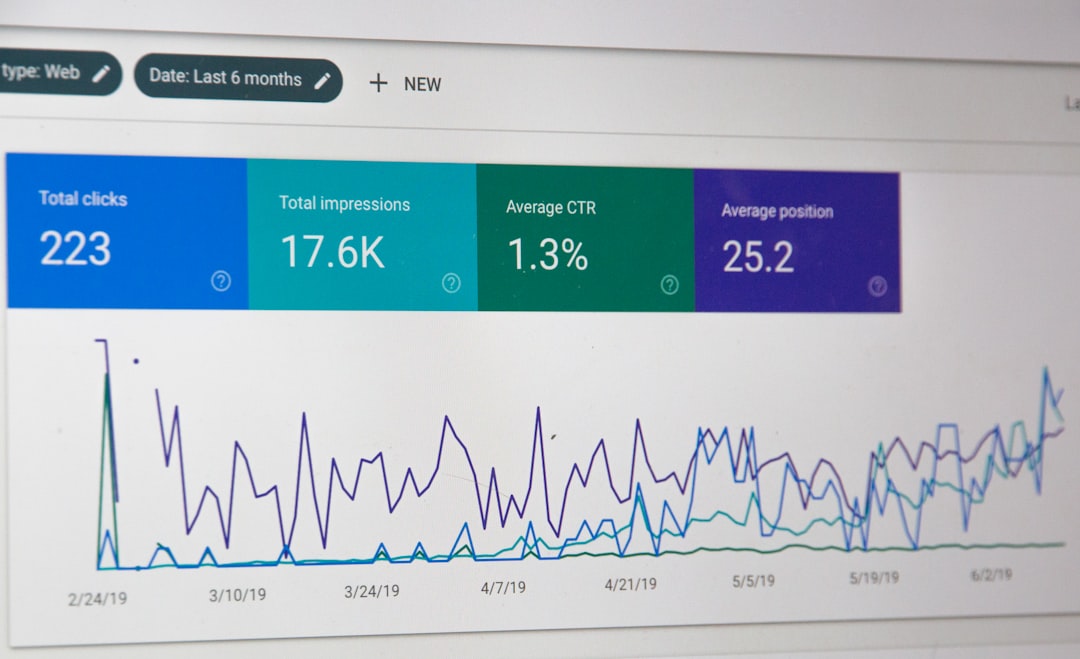
One bad post does not prove a bad time slot. Creative quality, topic, thumbnail, caption, hook, and audience mood all affect results. A proper test needs repeated data.
Teams should compare similar posts against similar posts. A product launch post should not be compared with a casual meme. A 60-second tutorial should not be compared with a 9-second trend clip.
After 30 days, the team should look for patterns such as:
- Which time slots produce the highest engagement rate?
- Which posts create profile visits or website clicks?
- Which videos hold attention past the first three seconds?
- Which days produce comments from useful prospects?
FAQ
What is the overall best time to post on social media?
Midweek mornings are a strong starting point for many brands. Still, the best time depends on the audience, platform, content type, and time zone.
How often should a brand post?
Most brands can start with 3 to 5 posts per week across priority platforms. Quality should come before volume. Weak daily posts often perform worse than fewer useful posts.
Should the same post go live everywhere at the same time?
No. Each platform has different habits. A LinkedIn post may work at 9 a.m., while the same idea as a TikTok may work better at 8 p.m.
How long should a timing test run?
A brand should test for at least 30 days. Larger accounts may see patterns faster, but smaller accounts need more posts before results mean much.
Do weekends work for social media posting?
Yes, especially for TikTok, YouTube, Instagram, entertainment, food, travel, fitness, and consumer products. LinkedIn usually performs better during the workweek.
What matters more: posting time or content quality?
Content quality matters more. Timing gives good content a better start, but it cannot save a weak hook, unclear message, poor thumbnail, or dull caption.