
Best Times to Post on Instagram 2025: A Complete Guide to Instagram Posting Schedules, Audience Activity, and Engagement Optimization
The best times to post on Instagram in 2025 are usually 7–9 a.m., 11 a.m.–1 p.m., and 6–9 p.m. in the audience’s local time zone. For most brands and creators, weekday mornings and early evenings still beat late-night posting. The strongest days are often Tuesday, Wednesday, and Thursday, while Sunday tends to be weaker unless the account serves hobbies, food, travel, or entertainment.
TLDR: Instagram posting schedules should start with audience habits, not generic charts. A small fitness creator, for example, might see Reels posted at 6:45 a.m. earn 28% more saves because followers check workouts before commuting. A retail brand may find Thursday at 7:30 p.m. produces stronger product clicks than noon posts. The best plan is to test three time windows for 30 days, then keep the slots with the highest reach, saves, shares, and profile actions.
Best Overall Times to Post on Instagram in 2025
General posting benchmarks are useful as a starting point. They should not be treated as fixed rules. Instagram ranks content based on interest, interaction history, freshness, format, and behavior signals. Timing helps the first wave of engagement, but weak content will still fall flat.
- Monday: 7–9 a.m. and 6–8 p.m.
- Tuesday: 8–10 a.m., 12 p.m., and 7–9 p.m.
- Wednesday: 7–9 a.m., 11 a.m.–1 p.m., and 6–8 p.m.
- Thursday: 8–9 a.m., 12–1 p.m., and 7–9 p.m.
- Friday: 7–9 a.m. and 3–6 p.m.
- Saturday: 9–11 a.m. and 6–8 p.m.
- Sunday: 10 a.m.–12 p.m. and 5–7 p.m.
The safest weekday window is 8 a.m.–1 p.m.. The best evening window is 6–9 p.m.. For global accounts, each major region needs its own schedule. Posting at 9 a.m. in New York may miss followers in London or Sydney.

Best Times by Content Type
Different Instagram formats behave differently. A quick Story can work during a commute. A carousel may perform better during lunch, when people have time to read. Reels can spread for days, but early engagement still matters.
Reels
Best times: 7–9 a.m., 12–1 p.m., and 6–9 p.m.
Reels need strong early signals. Completion rate, rewatches, shares, and saves matter. Educational Reels often do well in the morning. Funny or lifestyle Reels often work better in the evening.
Carousels
Best times: 11 a.m.–1 p.m. and 6–8 p.m.
Carousels need attention. Users must swipe, read, and pause. That makes lunch breaks and evening scroll sessions useful. A carousel posted during rushed work hours may get impressions but fewer saves.
Stories
Best times: 8–10 a.m., 12–2 p.m., and 7–10 p.m.
Stories are ideal for check-ins, polls, sales reminders, and behind-the-scenes clips. Since Stories expire, accounts should spread them across the day instead of posting 10 frames at once.
Lives
Best times: 7–9 p.m. on Tuesday, Wednesday, or Thursday.
Live content needs commitment. Evening slots usually work better because audiences are less distracted. Announcing the Live 24 hours ahead can lift attendance.
Best Times by Industry
Audience intent changes by niche. A B2B account should not copy a restaurant schedule. A beauty creator should not copy a real estate agent. That mismatch wastes weeks. It drives teams crazy when they copy a “best time” chart and then wonder why nothing improves.
- Retail and ecommerce: Thursday and Friday, 7–9 p.m. Product posts often perform well when people are relaxed and open to shopping.
- Restaurants and food: 11 a.m.–1 p.m. and 4–7 p.m. These slots match meal planning and cravings.
- Fitness: 6–8 a.m. and 5–7 p.m. Morning motivation and after-work routines are strong triggers.
- B2B and SaaS: Tuesday to Thursday, 8–10 a.m. and 12 p.m. Professional users engage more during work blocks.
- Beauty and fashion: Wednesday to Saturday, 6–9 p.m. Users tend to browse products and tutorials after daily tasks.
- Travel: Sunday evenings, Monday mornings, and Thursday evenings. These moments match planning, dreaming, and weekend searches.
- Education: Monday to Thursday, 7–9 a.m. and 6–8 p.m. Study content works before school, before work, and after dinner.
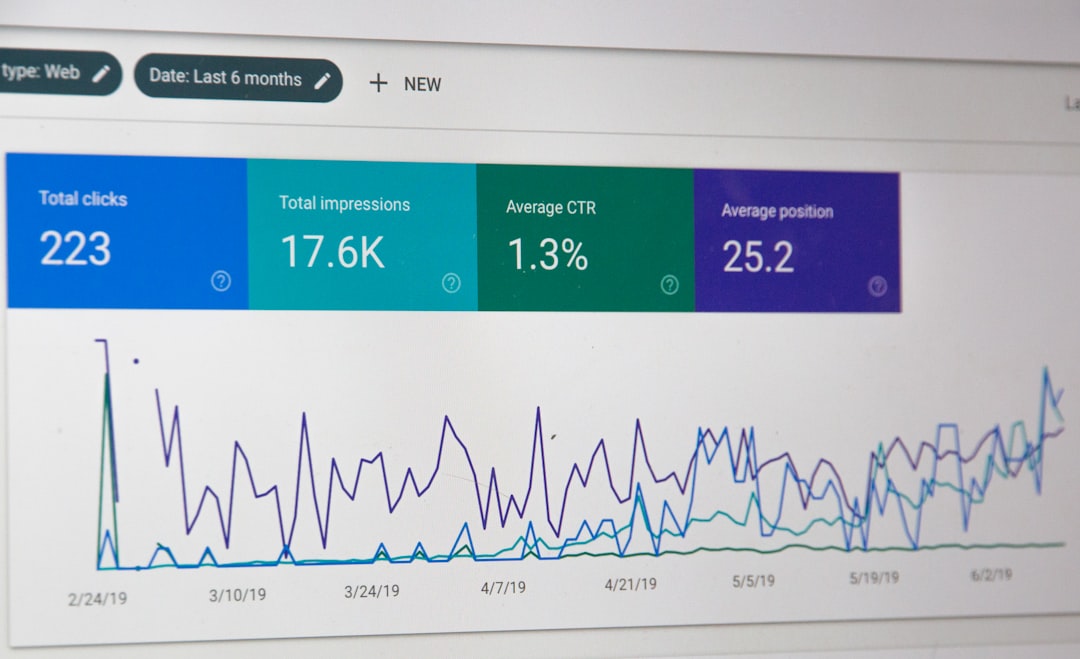
How Audience Activity Should Shape the Schedule
The Instagram Insights “Most active times” chart is still one of the best tools for planning posts. The annoying part is that it can feel buried, and switching between date ranges often takes longer than it should. Still, the data is worth checking every week.
Accounts should review:
- Top cities and countries: This sets the main time zone.
- Follower active hours: This shows when posts can get the first engagement push.
- Reach by post time: This reveals which slots attract new users.
- Saves and shares: These point to content quality, not just visibility.
- Profile visits and link taps: These show business intent.
A creator with 70% of followers in Los Angeles should not schedule around Eastern Time unless the goal is to reach a different market. A brand with split audiences in the United States and Europe may need two daily posts or alternating regional slots.
A Practical Instagram Posting Schedule for 2025
A steady schedule beats random bursts. Most accounts do not need to post five times a day. They need enough volume to test, learn, and stay visible without draining the content team.
- Small creators: 3–5 feed posts per week, 3–7 Stories per day, 2–4 Reels per week.
- Local businesses: 4–6 feed posts per week, daily Stories, 2–3 Reels per week.
- Ecommerce brands: 5–7 feed posts per week, daily Stories, 4–6 Reels per week.
- Media accounts: 1–3 posts per day, frequent Stories, regular Reels.
A simple weekly plan might look like this:
- Monday 8 a.m.: Educational Reel
- Tuesday 12 p.m.: Carousel with tips or proof points
- Wednesday 7 p.m.: Reel or product demo
- Thursday 8 a.m.: Customer story or case study
- Friday 4 p.m.: Offer, recap, or community post
- Weekend: Light lifestyle content or Stories
How to Test the Best Posting Times
Testing should run for at least 30 days. Seven days is too short. One viral post can distort the numbers.
- Pick three time windows: For example, 8 a.m., 12 p.m., and 7 p.m.
- Post similar content types: Do not compare a Reel to a static quote graphic.
- Track the same metrics: Reach, engagement rate, saves, shares, profile visits, and link clicks.
- Separate formats: Reels, carousels, Stories, and Lives need separate timing notes.
- Keep the top two slots: Drop the weakest slot and test a new one.
Engagement rate is useful, but it should not be the only measure. A post with fewer likes but 40 saves may be more valuable than a post with many casual likes. For sales accounts, link clicks and DMs can matter more than comments.
Engagement Optimization Tips
Posting time supports performance, but the post still needs a clear reason to exist. The first three seconds of a Reel matter. The first slide of a carousel matters. The caption opening matters.
- Use a strong hook: Start with the benefit, problem, or result.
- Post before peak activity: Publishing 15–30 minutes before the busiest hour can help early reach.
- Reply fast: Comments in the first hour can signal active interest.
- Use clear calls to action: Ask for saves, shares, DMs, or clicks when it fits.
- Study retention: For Reels, weak watch time often means the opening is too slow.
- Refresh old winners: A past high-performing idea can be remade with a new angle.
FAQ
What is the best time to post on Instagram in 2025?
The best general times are 7–9 a.m., 11 a.m.–1 p.m., and 6–9 p.m. in the audience’s local time zone.
What is the best day to post on Instagram?
Tuesday, Wednesday, and Thursday often perform best. These days tend to have strong workday browsing and steady evening activity.
Is Sunday a bad day to post?
Sunday is not always bad. It can work well for travel, food, entertainment, wellness, and family content. For B2B accounts, it is often weaker.
How many times should a brand post per week?
Most brands should post 4–7 times per week, with daily Stories if they have enough useful content. Quality still beats empty volume.
Do Reels need a different posting schedule?
Yes. Reels often perform well in the morning, at lunch, and in the evening. They can keep gaining reach after the first day, but early engagement helps.
Should accounts post at the exact same time every day?
Not always. A steady pattern helps planning, but testing different time windows gives better data. The strongest slots should earn their place through results.