Blue Hour vs Golden Hour: Which Lighting Creates Better Landscape Photos?
Landscape photography often feels like a race against the sky. The same mountain, coastline, forest, or city overlook can look ordinary at noon, magical at sunset, and mysterious just minutes later. Two of the most beloved windows for outdoor photographers are golden hour and blue hour, but deciding which creates “better” landscape photos depends on the mood, subject, and story you want your image to tell.
TLDR: Golden hour is usually better for warm, dramatic, accessible landscape photos with glowing highlights and long shadows, while blue hour is ideal for calm, cinematic, moody scenes with rich color contrast. For example, a coastal photographer shooting at 6:45 p.m. may capture golden cliffs and sparkling waves, while returning at 7:25 p.m. could produce a quieter image with cobalt water and soft city lights. In practical terms, many photographers spend about 60% of a sunset shoot working golden hour compositions and the remaining 40% refining blue hour frames.
What Is Golden Hour?
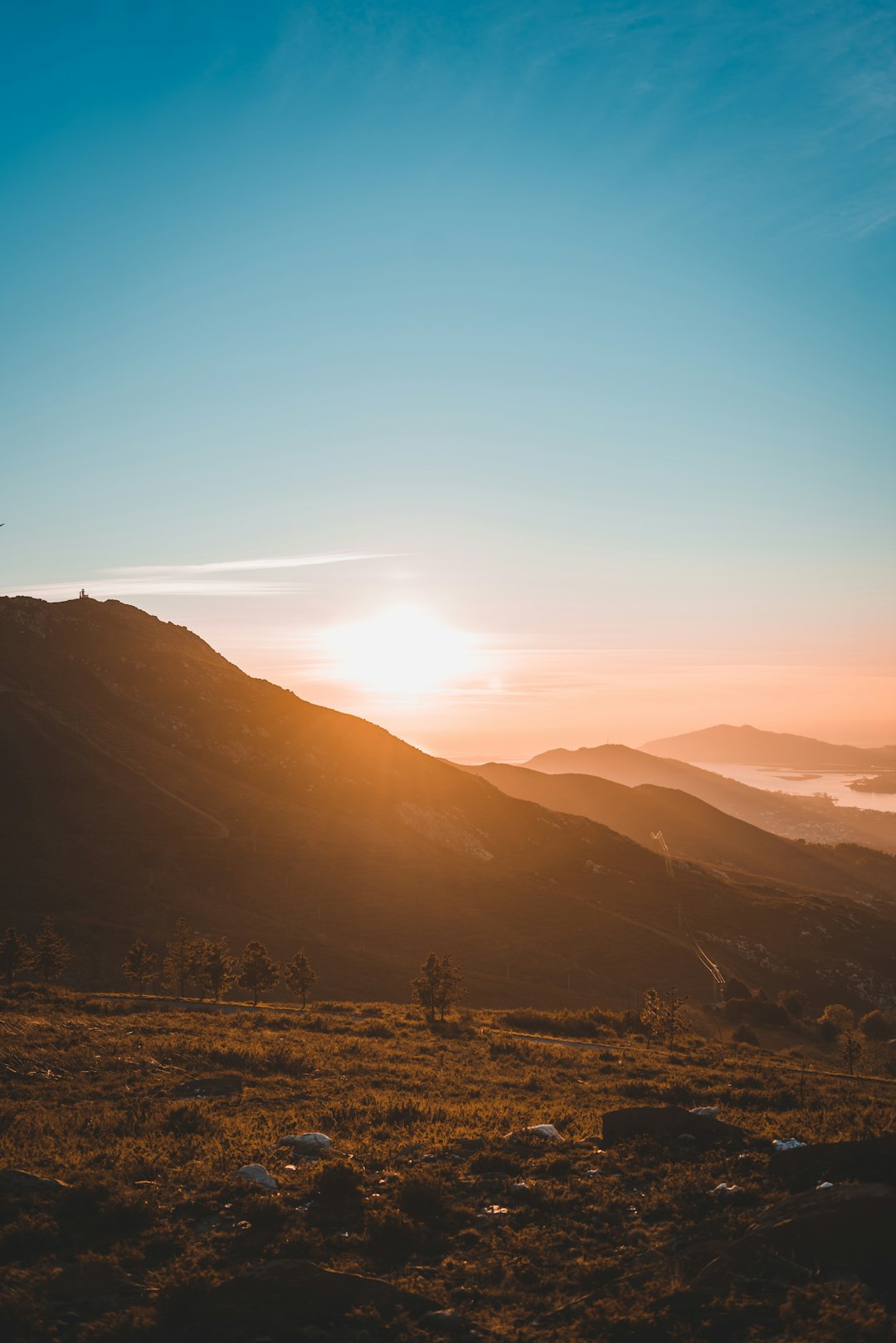
Golden hour occurs shortly after sunrise and shortly before sunset, when the sun is low on the horizon. The light travels through more of the atmosphere, which softens its intensity and shifts its color toward yellow, orange, and red. This creates the famous warm glow that makes landscapes feel inviting, alive, and dimensional.
During golden hour, shadows stretch across the scene, revealing texture in grass, rocks, mountains, sand, and architecture. A simple hillside can suddenly gain depth, while a flat field can become full of rhythm and pattern. This is why golden hour is often considered the most forgiving and visually pleasing time for beginners and professionals alike.
What Is Blue Hour?
Blue hour happens before sunrise and after sunset, when the sun is below the horizon but still illuminates the sky indirectly. Despite its name, it rarely lasts a full hour; depending on your location and season, it may be closer to 20 to 40 minutes. The light is cooler, softer, and more even, often producing deep blue, violet, and subtle pink tones.
Unlike golden hour, blue hour does not rely on direct sunlight. Instead, it creates atmosphere through reduced contrast and color harmony. It is especially powerful when combined with artificial lights, reflections, mist, snow, or water. A city skyline beside a river, a lighthouse at twilight, or a mountain lake after sunset can look more elegant and cinematic during blue hour than at any other time of day.
Golden Hour: Strengths for Landscape Photography
Golden hour is popular for good reason. It delivers light that instantly adds visual energy and emotional warmth to landscapes. If you want viewers to feel a sense of wonder, optimism, or adventure, golden hour is often the safer choice.
- Warm colors: Golden tones make scenes feel rich, nostalgic, and pleasant.
- Strong depth: Low-angle light creates long shadows that define shapes and textures.
- Dynamic skies: Clouds often catch orange, pink, and red highlights.
- Better handheld options: There is usually more light available than during blue hour.
- Great for foregrounds: Rocks, wildflowers, dunes, and trees can glow with detail.
Golden hour works particularly well for mountain ridges, desert landscapes, rolling farmland, autumn forests, and coastal cliffs. It is also excellent when you want to include a human figure, tent, trail, or road in the frame, because the directional light helps guide the viewer’s eye.
Golden Hour: Challenges to Watch For
Golden hour can be beautiful, but it is not automatic magic. The contrast between bright skies and darker land can be difficult to manage, especially when shooting directly toward the sun. You may need a graduated filter, exposure bracketing, or careful editing to preserve both highlight and shadow detail.
Another challenge is popularity. Famous viewpoints can become crowded at sunset, reducing your ability to move around and refine compositions. Golden hour also changes quickly. The perfect light on a mountain peak may last only two or three minutes, so preparation matters.
Blue Hour: Strengths for Landscape Photography
Blue hour is subtler than golden hour, but it can produce images that feel more refined and emotionally complex. If golden hour is dramatic and expressive, blue hour is often quiet and immersive.
- Soft contrast: Even light makes it easier to balance sky and land exposure.
- Cool mood: Blue tones suggest calm, mystery, solitude, or elegance.
- Beautiful artificial lights: Towns, bridges, cabins, and roads glow naturally against the sky.
- Excellent reflections: Lakes, rivers, and wet streets often look smoother and richer.
- Minimal harsh shadows: Details are less dramatic but more evenly distributed.

Blue hour is especially effective for seascapes, snowy landscapes, cityscapes, waterfalls, and minimalist scenes. It can also be useful when the sunset itself is disappointing. Even if the sky does not explode with color, the minutes after sunset may still deliver a deep, polished blue that photographs beautifully.
Blue Hour: Challenges to Watch For
The main challenge of blue hour is lower light. A tripod becomes almost essential if you want sharp, low-noise images. Shutter speeds may stretch from one second to thirty seconds or more, depending on your aperture and ISO. Wind can blur trees and grasses, while moving water may become silky or abstract.
Autofocus may also struggle as the light fades. Many photographers focus during the brighter part of twilight, then switch to manual focus to avoid hunting. Blue hour also demands more attention to color balance. Auto white balance may neutralize the blue tones you want, so try settings around 3500K to 5000K, depending on the mood.
Which Lighting Creates Better Landscape Photos?
The honest answer is: neither is universally better. Golden hour and blue hour create different kinds of beauty. Golden hour tends to produce more immediately eye-catching photos, while blue hour often creates more atmospheric and sophisticated images.
If your landscape has strong textures, bold foreground elements, or dramatic terrain, golden hour may be the better option. The angled sunlight can sculpt the scene and add a sense of scale. For example, sandstone formations, mountain peaks, and grassy hills often benefit from warm side lighting.
If your landscape depends on mood, water, reflection, or artificial light, blue hour may be stronger. A harbor, alpine lake, snowy village, or misty valley can feel more poetic when the direct sunlight is gone. Blue hour is also excellent when you want a cleaner, less contrasty file for editing.
Camera Settings to Try
Settings always depend on the scene, but these starting points can help:
- Golden hour: Use aperture priority or manual mode, start around f/8 to f/11, ISO 100, and adjust shutter speed as needed.
- Blue hour: Use a tripod, ISO 100 to 400, aperture around f/8, and shutter speeds from several seconds upward.
- For high contrast scenes: Bracket exposures so you can blend highlights and shadows later.
- For water: Try longer exposures to smooth waves, rivers, or reflections.
- For sharpness: Use a remote shutter, two-second timer, or electronic shutter to reduce vibration.

How to Choose in the Field
Instead of treating golden hour and blue hour as competitors, plan to shoot both. Arrive at least 45 minutes before sunset or sunrise so you can scout compositions while there is still enough light to move safely. Start with golden hour frames that emphasize texture, direction, and warm color. Then, as the sun disappears, simplify your composition and look for balance, reflections, silhouettes, and artificial lights.
It also helps to think emotionally. Ask yourself: Should this scene feel warm, adventurous, and alive? If so, golden hour may be your strongest choice. Or should it feel calm, mysterious, and timeless? In that case, wait for blue hour.
Final Verdict
Golden hour creates better landscape photos when you want warmth, texture, shadow, and drama. Blue hour creates better landscape photos when you want atmosphere, calm, color harmony, and cinematic depth. The best photographers do not choose one forever; they learn which light serves the subject.
If you are building a portfolio, include both. Golden hour images may grab attention quickly, but blue hour images often reward longer viewing. Together, they show range, patience, and a deeper understanding of natural light. In the end, the better light is not simply the warmer or cooler one—it is the light that makes the landscape feel exactly the way you want it to feel.