Creative Ways Businesses Can Use QR Code Stickers to Boost Engagement
QR code stickers have become a practical bridge between physical spaces and digital experiences. For businesses, they offer a low-cost, measurable, and flexible way to guide customers toward useful actions: learning more, leaving feedback, joining a loyalty program, booking a service, or making a purchase. When used thoughtfully, QR code stickers can improve customer engagement without adding friction or requiring major changes to existing operations.
TLDR: QR code stickers help businesses turn packaging, storefronts, tables, signs, and printed materials into interactive customer touchpoints. The most effective uses provide immediate value, such as exclusive offers, product information, reviews, support, or loyalty rewards. To build trust, businesses should use clear calls to action, branded landing pages, and secure, mobile-friendly experiences. QR code stickers work best when they are strategic, trackable, and easy for customers to understand.
Why QR Code Stickers Are Worth Serious Attention
QR codes are no longer a novelty. Customers have become increasingly comfortable scanning codes in restaurants, shops, clinics, events, offices, and public spaces. This familiarity makes QR code stickers especially useful because they can be placed almost anywhere: on product packaging, windows, receipts, counters, delivery bags, equipment, brochures, and direct mail.
Unlike a printed URL or a social media handle, a QR code reduces effort. A customer does not need to type, search, or remember anything. One quick scan can take them directly to the intended destination. For businesses, this creates an opportunity to guide behavior while interest is already high.
However, effective use requires more than printing a code and hoping people scan it. Customers are more likely to engage when they know why they should scan. A sticker labeled simply “Scan Me” is usually weaker than one that says, “Scan for 10% off your next order,” “Scan to see installation instructions,” or “Scan to join our rewards program.”
1. Turn Product Packaging Into a Digital Experience
Product packaging is one of the most valuable places to use QR code stickers because customers are already interacting with the item. A sticker can extend the experience beyond the physical product and provide information that would not fit on the package.
Businesses can use packaging QR code stickers to link to:
- How-to videos that show setup, use, cleaning, or maintenance.
- Ingredient or material details for customers who want transparency.
- Warranty registration forms that simplify post-purchase support.
- Product care instructions for apparel, tools, electronics, or home goods.
- Cross-sell recommendations for compatible products or accessories.
This approach is particularly effective for businesses that sell products needing explanation. A code on the box of a skincare product can lead to a recommended routine. A sticker on a home appliance can lead to installation videos. A code on food packaging can explain sourcing, allergens, or recipe ideas.
The goal is not to overwhelm the customer, but to make helpful information available at the right moment. This builds confidence and can reduce service inquiries.
2. Encourage Reviews at the Right Time
Customer reviews are essential for credibility, especially for local businesses, service providers, restaurants, and ecommerce brands. QR code stickers can make the review process easier by directing satisfied customers straight to the correct review page.
Timing matters. A sticker placed near the checkout counter, on a receipt, inside a delivery package, or on a thank-you card can invite customers to share their experience while it is still fresh. The message should be polite and specific, such as: “Happy with your order? Scan to leave a quick review.”
Businesses should avoid pressuring customers or offering incentives for only positive reviews, as this can damage trust and may violate platform policies. A more professional approach is to invite honest feedback and also provide a private support option for unresolved concerns.
For example, a sticker might say: “Tell us how we did. Scan to leave feedback or request support.” This gives the business a chance to respond quickly while showing customers that their opinions are taken seriously.
3. Build Loyalty Programs Without Extra Paperwork
Loyalty programs work best when they are simple. QR code stickers can remove the need for paper forms, plastic cards, or lengthy sign-up processes. A sticker at the register, on a table, or on packaging can direct customers to a mobile-friendly sign-up page.
For restaurants, cafes, salons, fitness studios, and retail stores, this can be a practical way to turn occasional buyers into repeat customers. The sticker should clearly communicate the benefit: “Scan to earn rewards,” “Join for member-only offers,” or “Get points on every visit.”
Once a customer joins, businesses can continue engagement through email, SMS, or app-based rewards, depending on the program and customer consent. The key is to make the first step easy and trustworthy. Ask only for the information needed and explain how it will be used.
4. Create Interactive In-Store Displays
Physical retail spaces can use QR code stickers to provide more information without cluttering shelves or displays. A sticker near a product can link to customer reviews, size guides, demo videos, comparison charts, or availability details.
This is especially useful for higher-consideration purchases, where customers want to research before buying. Instead of relying only on staff availability, QR code stickers allow shoppers to explore details independently.
Examples include:
- Furniture stores linking to room inspiration galleries or fabric options.
- Electronics retailers linking to specifications and setup guides.
- Bookstores linking to author interviews or staff recommendations.
- Clothing stores linking to styling suggestions and size information.
- Specialty food shops linking to recipes or producer stories.

These interactive touchpoints can also help measure customer interest. Dynamic QR codes can show which products receive the most scans, helping businesses understand what shoppers are considering even when they do not immediately purchase.
5. Improve Restaurant and Hospitality Engagement
Restaurants, hotels, bars, and event venues have many opportunities to use QR code stickers beyond menus. While digital menus are common, the broader potential is often underused.
Restaurants can place QR code stickers on tables, takeaway bags, or counter displays to link to:
- Daily specials or limited-time offers.
- Allergen information and dietary filters.
- Reservation pages for future bookings.
- Customer feedback forms after dining.
- Social media pages featuring new menu items.
Hotels can use stickers in rooms to connect guests to Wi-Fi instructions, local guides, housekeeping requests, spa bookings, or checkout information. This reduces calls to the front desk and gives guests faster access to common services.
In hospitality, clarity is especially important. A guest should immediately know whether the code is for ordering, payment, support, or information. Clear labeling prevents confusion and increases scan rates.
6. Strengthen Event Participation
Events depend on engagement before, during, and after the experience. QR code stickers can support all three stages. They can be added to badges, programs, booth displays, product samples, promotional gifts, or venue signage.
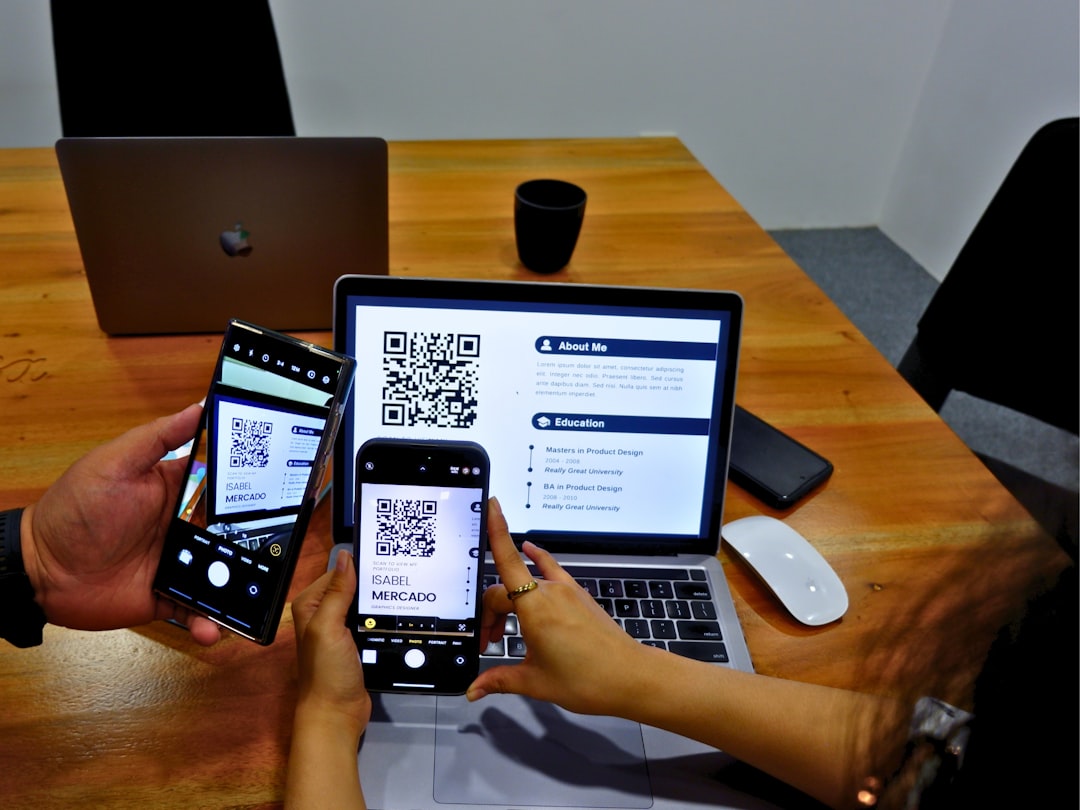
At trade shows, a QR code sticker on a booth can lead visitors to a product demo, brochure, contact form, or appointment calendar. On attendee badges, codes can simplify networking by linking to professional profiles or digital business cards. On event materials, stickers can guide attendees to schedules, speaker bios, maps, surveys, or session resources.
After the event, businesses can use QR code stickers on follow-up mailers or sample packaging to continue the conversation. The code might lead to a special offer, a downloadable guide, or a consultation request page.
7. Make Customer Support Easier
Support is a major part of customer engagement. When people need help, they want answers quickly. QR code stickers placed on products, equipment, packaging, invoices, or service documents can lead directly to relevant support resources.
A business might link QR stickers to:
- Troubleshooting guides for common problems.
- Instruction manuals in multiple languages.
- Live chat or support ticket forms for faster assistance.
- Maintenance schedules for equipment or appliances.
- Replacement parts pages for easy reordering.
This is particularly useful for companies that sell technical products or provide recurring services. A QR code sticker on machinery, office equipment, rental items, or installed systems can reduce frustration and support costs by guiding users to the correct information immediately.
8. Promote Exclusive Offers and Limited Campaigns
QR code stickers can be highly effective for promotions because they are easy to distribute and easy to update when dynamic codes are used. Businesses can place stickers on windows, packaging, flyers, product tags, direct mail pieces, or community boards.
A strong promotional QR sticker should include a clear value proposition. Instead of a vague instruction, use direct messaging such as:
- “Scan for a first-time customer discount.”
- “Scan to unlock this week’s offer.”
- “Scan for early access to new arrivals.”
- “Scan to claim your free consultation.”
Limited-time campaigns can create urgency, but businesses should be honest about deadlines and terms. If an offer expires, the landing page should clearly say so or redirect to a current promotion. Broken or misleading QR code experiences can weaken trust quickly.
9. Connect Print Marketing to Measurable Results
Traditional print materials can be difficult to measure. QR code stickers solve part of that problem by giving businesses a trackable digital response point. When used on brochures, catalogs, posters, postcards, and signage, they can show which materials are driving engagement.
This is valuable for businesses that invest in local advertising or direct mail. Each campaign can use a unique QR code, making it possible to compare scan volume, location, time, and conversion behavior. Over time, this data can guide smarter marketing decisions.
For example, a home services company might use different QR code stickers on neighborhood mailers, vehicle decals, and yard signs. By tracking scans and appointment requests, the company can identify which channels produce the strongest response.
10. Add Transparency to Business Practices
Many customers care about sourcing, sustainability, safety, and ethics. QR code stickers can give businesses a practical way to share deeper information without overcrowding labels or printed materials.
A food brand can link to farm sourcing details. A clothing company can explain materials and manufacturing standards. A construction firm can link to safety certifications. A nonprofit can show how donations are used. These uses are especially powerful when the information is specific, current, and verifiable.

Transparency-focused QR codes should lead to well-organized pages, not generic marketing copy. Customers who scan for details are typically looking for substance. Providing clear evidence, plain-language explanations, and contact options can strengthen credibility.
Best Practices for Effective QR Code Stickers
To get consistent results, businesses should treat QR code stickers as part of a broader customer experience strategy. The following best practices are important:
- Use a clear call to action. Tell customers exactly what they will receive or accomplish by scanning.
- Send users to a mobile-friendly page. Most scans happen on phones, so the destination must load quickly and display properly.
- Keep the design readable. Use adequate contrast, sufficient size, and a quiet zone around the code.
- Test before printing at scale. Scan the code on multiple devices, from different angles, and in realistic lighting.
- Use dynamic QR codes when possible. They allow destination updates and performance tracking without reprinting stickers.
- Protect customer trust. Link only to secure pages, avoid unnecessary data collection, and explain privacy practices clearly.
Placement also matters. A QR code sticker should be visible, accessible, and positioned where the customer naturally pauses. A code placed too low, too high, behind glass glare, or on a curved surface may be ignored or difficult to scan.
Security and Trust Considerations
Because QR codes direct customers to digital destinations, businesses must take security seriously. Customers are increasingly aware of scams involving fake codes placed over legitimate ones. To reduce risk, companies should use branded stickers, tamper-resistant placement where appropriate, and landing pages with recognizable branding.
It is also wise to include a short URL under the QR code when space allows. This gives customers an additional trust signal and a backup option. For sensitive actions such as payments, account access, or personal data submission, the destination should use secure protocols and clear confirmation steps.
Internally, businesses should keep a record of where QR code stickers are placed and what each code links to. This helps prevent outdated campaigns, broken links, and uncontrolled customer experiences.
Measuring Engagement and Improving Over Time
One of the strongest advantages of QR code stickers is measurement. Businesses can track scans, device types, locations, and times, depending on the platform used. More importantly, they can connect scans to meaningful outcomes such as purchases, sign-ups, bookings, reviews, or support completions.
Engagement should be evaluated beyond scan counts. A large number of scans with few conversions may indicate curiosity but poor landing page performance. A smaller number of scans with strong conversions may show that the sticker is reaching the right audience. Testing different calls to action, placements, and offers can improve results over time.
Conclusion
QR code stickers are simple tools, but their impact can be significant when they are used with purpose. They can turn everyday business materials into interactive entry points for reviews, loyalty programs, support, promotions, product education, event participation, and transparency.
The most successful businesses do not treat QR codes as decorations. They use them to solve real customer problems, reduce friction, and create measurable engagement. With clear messaging, secure destinations, thoughtful placement, and regular testing, QR code stickers can become a reliable part of a serious customer engagement strategy.