
Mobile App Design Services Checklist: 25 Questions to Ask Before Hiring an Agency
Hiring an agency for mobile app design is a high-impact decision. The right partner can turn a rough concept into a usable, scalable product; the wrong one can leave you with missed deadlines, unclear ownership, and an interface users abandon after the first session. Before signing a contract, use a structured checklist to evaluate whether an agency understands your business goals, users, technical constraints, and long-term product vision.
TLDR: Before hiring a mobile app design agency, ask about strategy, research, UX process, UI quality, collaboration, testing, deliverables, and post-launch support. For example, if a fintech startup reduces onboarding from 7 steps to 4 through better UX design, it may see completion rates rise by 20% to 35%. A serious agency should be able to explain not only how an app will look, but how each design decision supports measurable business outcomes.
Why a Checklist Matters Before Hiring
Mobile app design is not just about attractive screens. It involves user research, information architecture, interaction design, accessibility, prototyping, visual systems, developer handoff, and usability validation. A checklist helps you compare agencies objectively instead of relying on polished portfolios or sales presentations alone.
Use the following 25 questions during discovery calls, proposal reviews, and final negotiations. The goal is not to find an agency that gives perfect answers instantly, but one that demonstrates a disciplined, transparent, and evidence-based approach.

Strategy and Business Understanding
- How do you learn about our business model before starting design?
A reliable agency should ask about revenue streams, target markets, competitors, and key performance indicators. If they jump straight into visuals, they may not be thinking strategically. - How will you define success for this app?
Success might mean higher conversion, stronger retention, shorter onboarding, or fewer support tickets. Look for agencies that connect design work to measurable outcomes. - Have you worked with companies in our industry or with similar user problems?
Industry experience can be useful, especially in regulated sectors such as healthcare, banking, education, or logistics. However, ask for relevant problem-solving examples, not just client names. - How do you balance user needs with business goals?
Good design serves both. An agency should be able to explain how it handles trade-offs between usability, monetization, compliance, and technical complexity.
User Research and UX Process
- What user research methods do you recommend for our project?
Depending on the stage of your product, this may include interviews, surveys, competitor analysis, analytics review, usability testing, or customer journey mapping. - Will you create personas or user segments?
Personas should be based on evidence, not assumptions. Ask how they validate user groups and prioritize their needs. - How do you map user journeys and identify friction points?
A strong agency should be comfortable analyzing the steps users take before, during, and after using the app. - How do you approach information architecture?
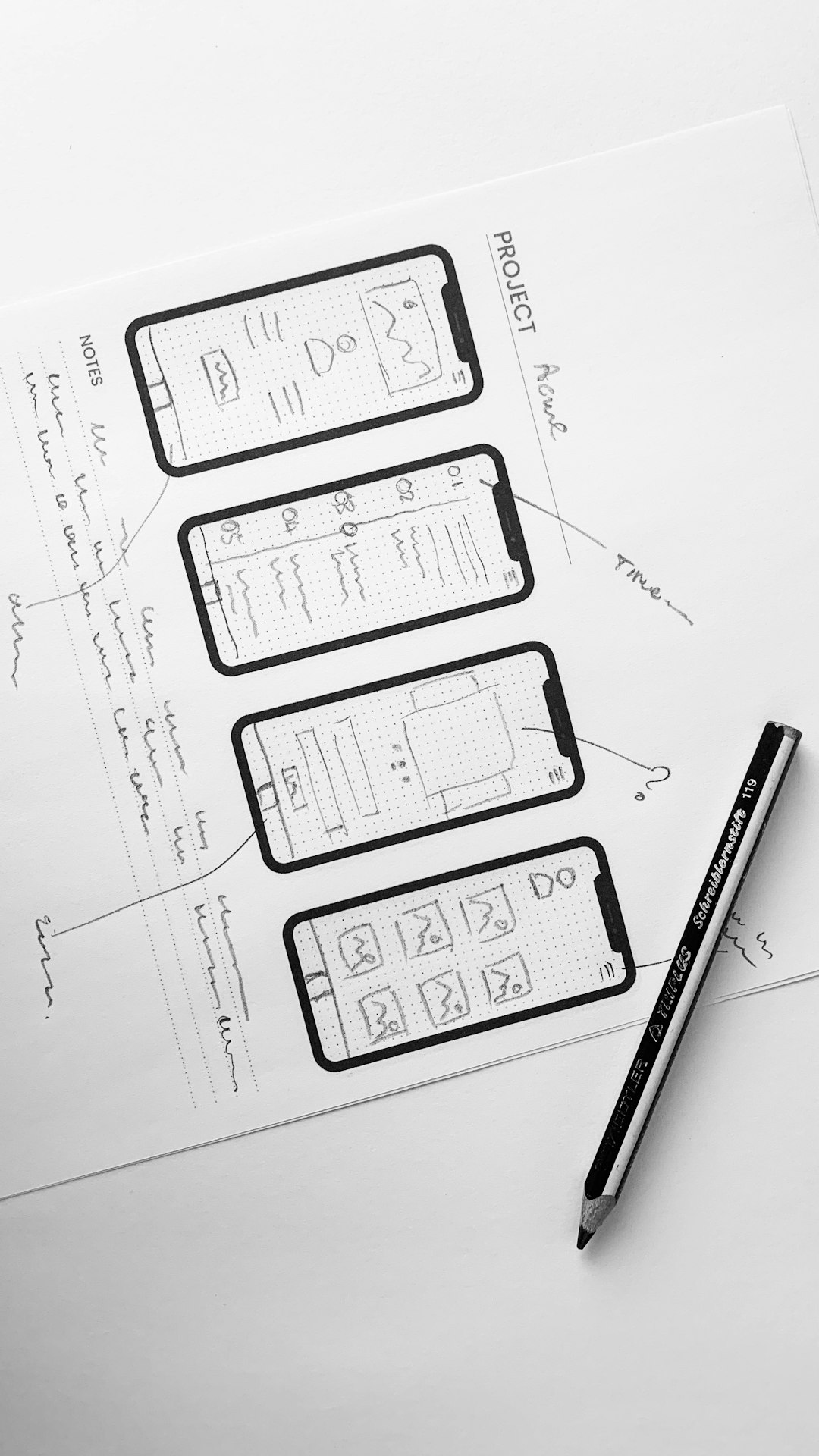
Navigation, content hierarchy, and feature grouping directly affect usability. The agency should explain how it keeps the app clear and intuitive. - Will you produce wireframes before visual design?
Wireframes allow you to evaluate structure and flow before investing time in polished UI. Skipping this stage can lead to expensive revisions later.
UI Design, Branding, and Accessibility
- How do you make sure the interface reflects our brand?
The agency should review your existing brand assets, tone, audience expectations, and product positioning before defining the app’s visual direction. - Do you create design systems or reusable component libraries?
For most serious apps, a design system improves consistency and reduces development inefficiencies. Ask whether components, states, typography, colors, and spacing rules will be documented. - How do you handle accessibility?
Accessibility should not be an afterthought. Ask about contrast ratios, readable font sizes, touch target dimensions, screen reader support, and inclusive interaction patterns. - How do you design for both iOS and Android?
Each platform has its own conventions. A qualified agency should understand native patterns while maintaining a consistent brand experience. - How do you avoid overdesigning?
Impressive animations and complex layouts can hurt performance and usability. Look for a team that values clarity over decoration.
Prototyping, Testing, and Validation
- Will you create interactive prototypes?
Prototypes help stakeholders and users experience key flows before development begins. They are especially useful for onboarding, checkout, booking, dashboards, and account setup. - How do you conduct usability testing?
Ask whether they test with real users, how many participants they recommend, and what metrics they track. Even five to eight well-selected users can reveal major usability issues. - How do you incorporate feedback?
Feedback should be organized, prioritized, and tied to project goals. A mature agency will distinguish between subjective preferences and evidence-based improvements. - What happens if testing shows that a major flow does not work?
This question reveals flexibility. The agency should have a process for iteration without turning every change into a conflict or uncontrolled cost increase.
Project Management and Collaboration
- Who will be assigned to our project?
Clarify whether you will work with senior designers, UX researchers, project managers, or outsourced contributors. Ask who makes final design decisions. - How often will we communicate?
Serious agencies usually define communication channels, meeting frequency, review cycles, and response times. Lack of structure often leads to delays. - What is your typical timeline for a project like ours?
Be cautious of unrealistic promises. A thoughtful agency will break the timeline into discovery, UX, UI, prototyping, revisions, handoff, and support. - How do you handle revisions and scope changes?
Contracts should specify the number of revision rounds, how change requests are estimated, and who approves additional work.
Deliverables, Development Handoff, and Support
- What exactly will we receive at the end of the project?
Deliverables may include research findings, user flows, wireframes, UI screens, prototypes, design system files, icons, assets, and documentation. Make sure this is written into the proposal. - How do you support developers during implementation?
App design can fail during handoff if specifications are unclear. Ask whether the agency provides annotated designs, component behavior, responsive rules, and developer Q&A support. - Do you offer post-launch analysis and optimization?
A mobile app is never truly finished at launch. A valuable partner can help review analytics, identify drop-off points, and recommend improvements based on real usage data.
Red Flags to Watch For
Be careful if an agency cannot explain its process, avoids questions about research, or offers a fixed visual direction before understanding your users. Other warning signs include vague deliverables, no clear ownership of design files, limited experience with mobile standards, and unwillingness to discuss accessibility or testing.
You should also be cautious of proposals that appear unusually cheap or unusually fast. While cost efficiency matters, quality mobile app design requires time for discovery, iteration, and validation. A rushed design phase often shifts costs into development, where mistakes are more expensive to fix.
How to Compare Agencies Fairly
When evaluating candidates, create a simple scoring system. Rate each agency from 1 to 5 on strategy, UX maturity, visual quality, technical handoff, communication, industry fit, and post-launch support. This prevents the decision from being based only on portfolio aesthetics or the most confident sales pitch.
Ask for case studies that include the original problem, the agency’s role, the design process, and measurable results. Strong case studies discuss constraints and trade-offs, not only final screenshots. If an agency can explain why decisions were made, it is more likely to be a reliable partner.
Final Thoughts
Choosing a mobile app design agency should be treated as a strategic procurement decision, not a creative gamble. The best agencies combine business understanding, user empathy, visual discipline, technical awareness, and structured collaboration. By asking these 25 questions before hiring, you reduce risk, improve accountability, and increase the chances of launching an app that users trust, understand, and continue to use.