
Retail Conversion Rate Explained: Formula, Benchmarks & Tips
In retail, attracting shoppers is only half the challenge. The real measure of store performance is how many visitors actually buy. That is where retail conversion rate becomes essential: it shows how effectively a business turns foot traffic, website visits, or browsing sessions into completed purchases.
TLDR: Retail conversion rate measures the percentage of shoppers who make a purchase after visiting a store or ecommerce site. It is calculated by dividing the number of transactions by the number of visitors, then multiplying by 100. Benchmarks vary by industry, location, and sales channel, but improving layout, staff training, product presentation, and checkout speed can raise conversions. A strong conversion rate means a retailer is making better use of its existing traffic.
What Is Retail Conversion Rate?
Retail conversion rate is the percentage of visitors who complete a desired action, usually making a purchase. In a physical store, it compares the number of people who enter with the number of completed transactions. In ecommerce, it compares website visitors or sessions with completed orders.
This metric is important because it reveals whether a retailer is successfully turning interest into revenue. A store may have high foot traffic, but if few visitors buy anything, the business may have problems with pricing, merchandising, service, product availability, or the checkout process.
Conversion rate is often used alongside other metrics such as average order value, sales per square foot, customer acquisition cost, and repeat purchase rate. Together, these numbers provide a fuller picture of retail performance.
Retail Conversion Rate Formula
The basic formula is simple:
Retail Conversion Rate = Number of Transactions ÷ Number of Visitors × 100
For example, if a store receives 1,000 visitors in one week and completes 125 transactions, the conversion rate is:
125 ÷ 1,000 × 100 = 12.5%
This means 12.5% of visitors made a purchase.
For ecommerce businesses, the same formula applies, although the visitor count may be based on users, sessions, or unique visitors. The chosen tracking method should remain consistent so that comparisons over time are accurate.
Why Conversion Rate Matters
A higher conversion rate usually means a retailer is making better use of its existing traffic. Instead of spending more money on advertising, promotions, or store expansion, the business can increase sales by improving the shopping experience for people who are already visiting.
For example, if a retailer gets 10,000 visitors per month and has a 2% conversion rate, it generates 200 transactions. If the same retailer improves the rate to 3%, it generates 300 transactions without increasing traffic. That change can have a major impact on revenue and profitability.
Conversion rate also helps identify operational weaknesses. A low rate may indicate that customers are interested enough to visit but not convinced enough to buy. This could point to issues such as poor product visibility, unhelpful staff, limited inventory, confusing navigation, or long checkout lines.
Retail Conversion Rate Benchmarks
There is no universal “good” conversion rate because performance varies by sector, channel, price point, and customer intent. A convenience store, luxury boutique, supermarket, furniture retailer, and online fashion shop will all have different expectations.
Still, general benchmarks can help retailers evaluate performance:
- Physical retail stores: Often range from 10% to 30%, depending on category, location, and shopping intent.
- Grocery and convenience stores: Usually have higher conversion rates because customers visit with immediate purchase intent.
- Luxury and specialty retail: May have lower conversion rates due to higher prices and longer decision cycles.
- Ecommerce retail: Commonly ranges from 1% to 4%, though high-performing sites may exceed this.
- Click and collect or appointment-based retail: Can achieve higher rates because customers arrive with a clear purpose.
Retailers should compare performance against their own historical data as well as industry averages. A store that improves from 8% to 11% may be making excellent progress, even if another category typically converts at 20%.

Factors That Affect Retail Conversion Rate
Several factors influence whether a shopper decides to buy. Some are external, such as economic conditions or seasonality, while others are directly controlled by the retailer.
- Store layout: Clear pathways, logical product placement, and appealing displays help customers find what they need.
- Product availability: Out-of-stock items and missing sizes can quickly reduce conversions.
- Pricing and promotions: Customers must feel that the value matches the price.
- Staff support: Friendly, knowledgeable employees can answer questions and remove hesitation.
- Checkout experience: Long lines, slow payment systems, or complicated online forms can cause abandonment.
- Trust and confidence: Clear return policies, reviews, security signals, and product information help shoppers commit.
Tips to Improve Retail Conversion Rate
1. Improve the First Impression
The entrance, homepage, or landing page should quickly communicate what the retailer offers and why shoppers should continue. In physical stores, clean windows, strong lighting, and attractive displays can pull customers inward. Online, a fast-loading homepage, clear categories, and compelling visuals perform a similar role.
2. Train Staff to Sell Helpfully
Good retail staff do more than greet customers. They identify needs, explain products, suggest alternatives, and guide shoppers toward confident decisions. Training should focus on active listening, product knowledge, and service timing, so employees assist without pressuring customers.
3. Optimize Product Displays
Merchandising has a direct effect on conversion. Bestsellers, seasonal products, and high-margin items should be easy to find. Displays should be organized, well-stocked, and visually appealing. In ecommerce, this means clear product images, helpful filters, detailed descriptions, and visible customer reviews.

4. Reduce Checkout Friction
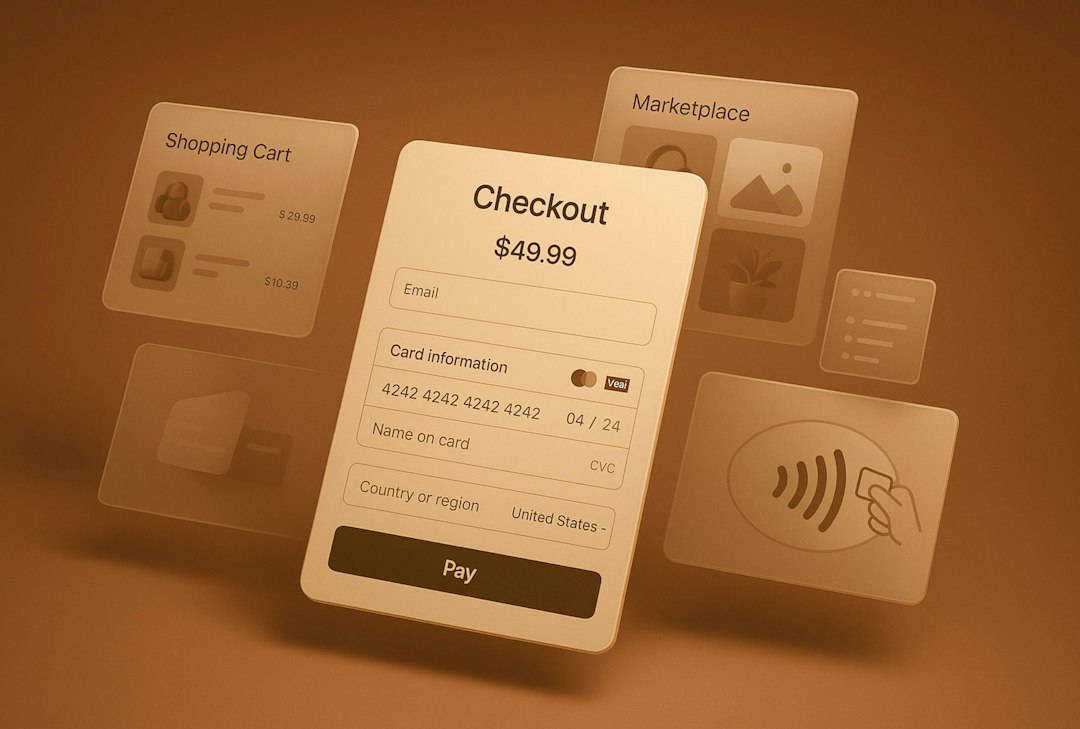
A shopper who reaches checkout is close to converting, so friction at this stage is costly. Physical stores should monitor queue length, offer enough payment points, and support popular payment methods. Ecommerce sites should reduce unnecessary form fields, show shipping costs early, and allow guest checkout.
5. Use Data by Time and Location
Retailers should not only track overall conversion rate. They should analyze it by hour, day, store location, traffic source, device, campaign, and product category. For example, a store may discover that weekend traffic is high but conversion is low because staffing is insufficient. An online retailer may find that mobile users abandon carts because pages load slowly.
6. Align Promotions With Shopper Intent
Discounts can improve conversion, but they should be used strategically. A promotion that attracts bargain hunters may increase traffic without improving profit. Better offers include bundles, loyalty rewards, free shipping thresholds, or limited-time incentives that support both conversion and margin.
7. Build Trust Before the Sale
Customers are more likely to buy when they feel confident. Retailers can build trust through transparent pricing, clear return policies, visible guarantees, staff expertise, social proof, and consistent branding. For online stores, secure payment badges, reviews, and accurate delivery information are especially important.
How Often Should Retailers Track Conversion Rate?
Conversion rate should be reviewed regularly, but the frequency depends on the business. Large retailers may monitor it daily or even hourly, while smaller stores may review it weekly or monthly. The key is to look for patterns rather than reacting to every small fluctuation.
Seasonality also matters. A holiday conversion rate may not be comparable to a slow February week. Retailers should compare similar periods, such as this December versus last December, or weekdays against other weekdays.
Common Mistakes to Avoid
- Focusing only on traffic: More visitors do not always mean more sales if the shopping experience is weak.
- Using inconsistent visitor counts: Changing tracking methods can distort results.
- Ignoring average order value: A higher conversion rate is less useful if customers spend much less.
- Over-discounting: Promotions may lift conversions while damaging profit margins.
- Not segmenting data: Overall numbers can hide problems in specific channels, stores, or product lines.
Conclusion
Retail conversion rate is one of the clearest indicators of how effectively a retailer turns interest into sales. By using the simple formula, comparing results with relevant benchmarks, and improving the customer journey, retailers can increase revenue without relying only on more traffic. The strongest results usually come from steady improvements in service, merchandising, checkout flow, and data-driven decision-making.
FAQ
What is a good retail conversion rate?
A good retail conversion rate depends on the category and channel. Physical stores often range from 10% to 30%, while ecommerce sites commonly range from 1% to 4%. The best benchmark is the retailer’s own past performance combined with industry context.
How is retail conversion rate calculated?
It is calculated by dividing the number of transactions by the number of visitors, then multiplying by 100. For example, 50 transactions from 500 visitors equals a 10% conversion rate.
Why is conversion rate low despite high traffic?
High traffic with low conversion may indicate poor product fit, high prices, weak merchandising, long checkout lines, lack of staff support, limited stock, or a confusing website experience.
How can a physical store increase conversion rate?
A store can improve conversion by training staff, optimizing layout, keeping popular items in stock, improving displays, reducing queues, and matching promotions to customer needs.
Is conversion rate more important than traffic?
Both matter, but conversion rate shows how well existing traffic is being used. A retailer with moderate traffic and a strong conversion rate may outperform one with heavy traffic and poor purchase results.