Subtitle Generator Software For Automatic Captions
Subtitle generator software for automatic captions has become an essential tool in today’s video-driven world. As online content consumption continues to rise across social media, streaming platforms, online education portals, and corporate training systems, the need for fast, accurate, and accessible captioning solutions has never been greater. Automatic subtitle generators use advanced technologies such as speech recognition and artificial intelligence to transcribe spoken language into written text in real time or post-production workflows.
TLDR: Subtitle generator software automatically converts spoken audio into accurate captions using AI-powered speech recognition. It improves accessibility, boosts engagement, and supports multilingual audiences. Businesses, educators, and content creators use these tools to save time and reduce costs compared to manual transcription. Modern solutions also offer editing, translation, and customization features for professional results.
What Is Subtitle Generator Software?
Subtitle generator software is a digital tool designed to analyze spoken audio within a video and convert it into synchronized written text. Unlike manual captioning, which requires human transcribers, automatic subtitle tools rely on machine learning algorithms trained on vast datasets of speech patterns, accents, and languages.
These tools can process:
- Recorded video files
- Live broadcasts and streams
- Webinars and virtual meetings
- Podcasts and interviews
The output is typically generated as subtitle files such as SRT, VTT, or embedded captions that can be directly integrated into video platforms.
How Automatic Captioning Works
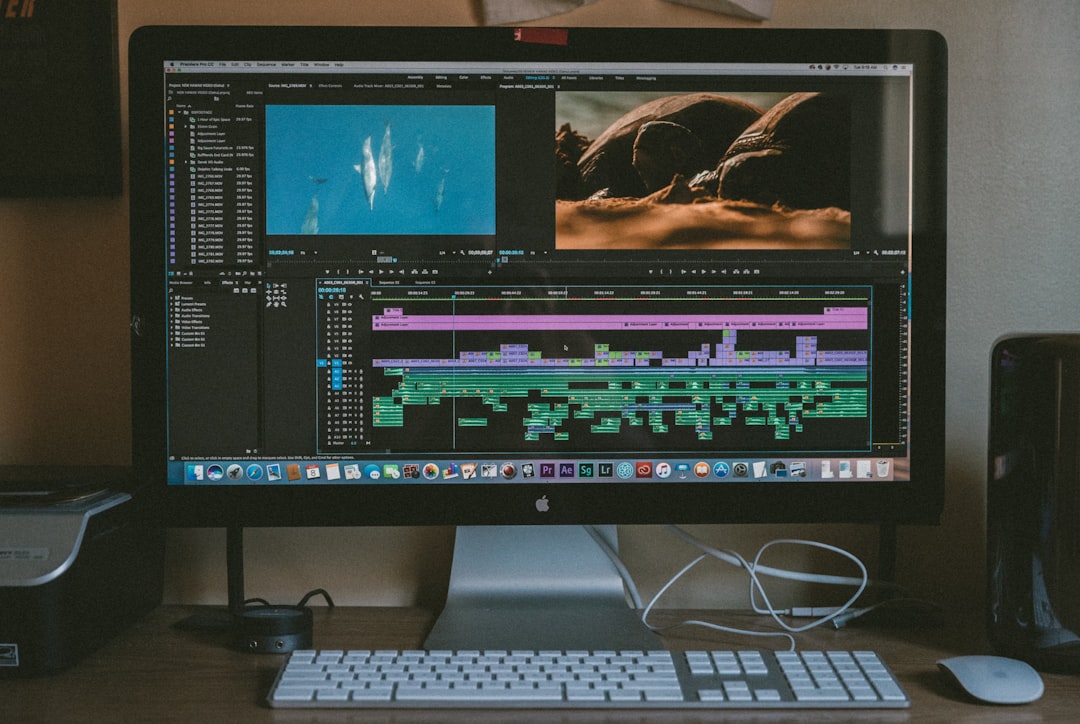
Automatic caption generators operate through a structured technological process:
- Audio Extraction: The software isolates spoken dialogue from background noise and music.
- Speech Recognition: AI models convert speech into raw text using automatic speech recognition (ASR).
- Text Synchronization: The tool aligns text with video timestamps to match spoken words accurately.
- Formatting: Captions are segmented into readable chunks following timing and character limits.
- Editing and Review: Users can refine grammar, punctuation, and speaker labels.
Modern systems leverage deep learning neural networks to improve recognition accuracy over time. The more diverse data these systems process, the better they become at recognizing accents, dialects, and industry-specific terminology.
Key Benefits of Subtitle Generator Software
1. Improved Accessibility
One of the primary advantages of automatic captions is accessibility. Subtitles make video content usable for individuals who are deaf or hard of hearing. They also assist people with auditory processing disorders or those consuming content in noise-sensitive environments.
2. Enhanced Audience Engagement
Studies consistently show that videos with captions achieve higher engagement rates. Many viewers watch videos on mute, particularly on social media platforms. Captions allow them to understand the message without audio.
3. Better Search Engine Optimization
Search engines cannot “watch” videos, but they can index text. Automatically generated captions provide searchable content that enhances discoverability. This improves rankings and helps attract organic traffic.
4. Time and Cost Efficiency
Manual transcription can take several hours for just one hour of video. Automatic subtitle software reduces this process to minutes, significantly lowering production costs for content creators and organizations.
5. Multilingual Reach
Many subtitle generators include automatic translation features. After generating captions in the source language, the system can translate them into multiple languages, expanding global reach instantly.

Essential Features to Look For
When evaluating subtitle generator software, several features determine quality and usability:
- High Accuracy Rate: Look for software claiming 90% or higher speech recognition accuracy.
- Multi-Language Support: Essential for global audiences.
- Customizable Styling: Adjust fonts, sizes, colors, and placement.
- Speaker Identification: Distinguishes between different voices.
- Noise Reduction: Filters background distractions.
- Export Options: Supports formats like SRT, VTT, TXT, and MP4 embedding.
- Real-Time Captioning: Important for live events and webinars.
User-friendly editing dashboards are also crucial. Even the best AI-generated captions require occasional adjustments, especially for technical terms or brand names.
Applications Across Industries
Education
Online courses, recorded lectures, and instructional videos benefit from automatic subtitles. Captions improve comprehension, assist non-native speakers, and support inclusive learning environments.
Corporate Training
Businesses use subtitle software for compliance training, onboarding materials, and internal communication. Automatic captions ensure consistent messaging across global teams.
Media and Entertainment
Film producers, YouTubers, and streaming platforms use subtitle generators to meet accessibility requirements and reach international viewers.
Marketing and Social Media
Marketing teams rely on captions to maximize engagement on platforms where silent autoplay is common. Short-form videos especially depend on eye-catching subtitles.
Challenges and Limitations
Although automatic subtitle software has evolved significantly, certain challenges remain:
- Accent and Dialect Variations: Heavy accents may reduce transcription accuracy.
- Background Noise: Music or multiple speakers can interfere with clarity.
- Technical Vocabulary: Specialized jargon may require manual correction.
- Homophones: Words that sound alike but have different meanings can cause mistakes.
For high-stakes productions such as legal content or broadcast television, manual review is still recommended to ensure precision.
The Role of Artificial Intelligence
Artificial intelligence drives the rapid advancement of subtitle generation. Modern systems incorporate:
- Natural Language Processing (NLP) for grammar and sentence structuring
- Machine Learning Models trained on extensive speech datasets
- Voice Activity Detection to distinguish speech from silence
- Contextual Prediction for improved word accuracy
As AI continues to evolve, subtitle generators are becoming more context-aware, reducing errors and delivering near-human transcription quality.
Best Practices for Using Subtitle Generator Software
To maximize results, users should follow these best practices:
- Use Clear Audio: Record in quiet environments with quality microphones.
- Review and Edit: Always proofread automated captions.
- Maintain Readable Timing: Ensure captions stay on screen long enough to read comfortably.
- Keep Formatting Consistent: Standardize font and style for professional presentation.
- Test Across Devices: Confirm subtitle visibility on desktops, tablets, and smartphones.
Consistency and quality control elevate automatic captions from basic transcripts to polished, professional subtitles.
Future Trends in Automatic Captioning
The future of subtitle generator software is shaped by innovation and demand for inclusivity. Emerging trends include:
- Real-Time Multilingual Subtitling: Instant translation during live events.
- Emotion and Tone Detection: Adding contextual cues such as laughter or emphasis.
- Improved AI Personalization: Training systems to recognize individual voices.
- Integration With Video Editing Platforms: Seamless workflows without external exports.
As remote communication continues to expand globally, automatic captioning is expected to become a default feature rather than an optional add-on.
Conclusion
Subtitle generator software for automatic captions represents a transformative shift in video production and accessibility. By combining AI-driven speech recognition, language processing, and synchronization tools, these platforms enable faster, more efficient content creation. From boosting engagement and improving SEO to ensuring compliance and inclusivity, automatic captions serve both practical and strategic purposes. As the technology advances, subtitle generation will continue to streamline communication across industries and cultures.
Frequently Asked Questions (FAQ)
1. How accurate is automatic subtitle generator software?
Most modern tools achieve accuracy rates of 85% to 95%, depending on audio quality, speaker clarity, and accent. Editing is usually required for final polishing.
2. Can subtitle generator software translate captions into other languages?
Yes. Many advanced platforms include automatic translation features that convert captions into multiple languages after initial transcription.
3. Is automatic captioning suitable for live events?
Yes. Real-time captioning is available in many solutions, although accuracy may vary depending on network stability and speaker clarity.
4. What file formats do subtitle generators support?
Common export formats include SRT, VTT, TXT, and directly embedded MP4 caption files.
5. Do automatically generated subtitles improve SEO?
Yes. Captions create indexable text that search engines can crawl, improving video discoverability and ranking potential.
6. Is manual review still necessary?
While AI tools are highly advanced, reviewing and editing captions ensures professional quality and corrects industry-specific terminology.
7. Who benefits most from subtitle generator software?
Content creators, educators, marketers, corporations, and media companies all benefit from faster production workflows and improved accessibility.