
Technical Project Manager: Responsibilities, Skills, and Career Guide
A Technical Project Manager sits at the intersection of technology, business, and delivery. While traditional project managers focus on timelines, budgets, and scope, technical project managers also understand architecture, software development, infrastructure, integrations, data, security, and engineering workflows well enough to guide technical teams with confidence.
TLDR: A Technical Project Manager, or TPM, helps technical teams deliver complex projects on time while keeping stakeholders aligned. For example, if a company needs to launch a mobile app in 16 weeks, the TPM coordinates engineers, designers, QA testers, vendors, and executives while tracking risks such as API delays or security reviews. In many organizations, strong technical project management can reduce missed deadlines by 20–30% because blockers are identified earlier and communication is more structured.
What Is a Technical Project Manager?
A Technical Project Manager is responsible for planning, coordinating, and delivering technology-driven projects. These may include software applications, cloud migrations, cybersecurity upgrades, data platform rollouts, enterprise system integrations, AI implementation, or infrastructure modernization.
Unlike a software engineer, a TPM usually does not spend most of the day writing production code. However, they must understand technical concepts well enough to ask smart questions, challenge unrealistic estimates, identify dependencies, and translate engineering details into business language.
In simple terms, the TPM makes sure the right people are working on the right tasks, in the right order, with the right information.
Core Responsibilities of a Technical Project Manager
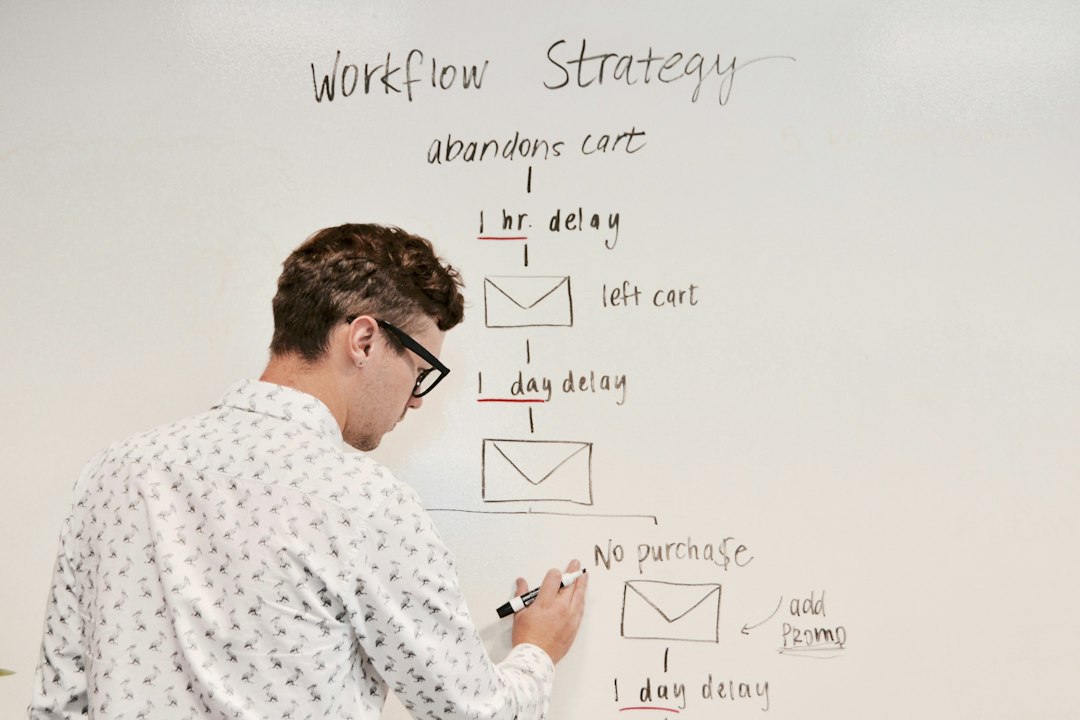
The responsibilities of a Technical Project Manager can vary depending on the company, industry, and project size. In a startup, one TPM may handle planning, stakeholder communication, release coordination, and vendor management. In a large enterprise, TPMs may specialize in cloud programs, data platforms, security initiatives, or product launches.
Common responsibilities include:
- Project planning: Defining scope, objectives, milestones, timelines, resources, and success criteria.
- Technical coordination: Working with engineers, architects, DevOps teams, QA testers, product managers, and designers to align delivery efforts.
- Risk management: Identifying technical and operational risks before they become serious problems.
- Stakeholder communication: Providing clear updates to executives, clients, product owners, and business teams.
- Dependency tracking: Making sure teams understand what must happen before other work can move forward.
- Budget and resource management: Monitoring project costs, staffing needs, vendor contracts, and tool requirements.
- Release management: Coordinating launches, deployment schedules, production readiness, rollback plans, and post-release reviews.
- Process improvement: Helping teams refine Agile, Scrum, Kanban, or hybrid workflows for better efficiency.
A strong TPM does not simply ask, “Is the task done?” They ask, “Is this solution scalable, secure, testable, and aligned with the business goal?”
Technical Project Manager vs. Project Manager vs. Product Manager
These roles often overlap, but they are not the same.
- Project Manager: Focuses on delivery, schedule, budget, scope, and team coordination across many types of projects.
- Technical Project Manager: Focuses on technology projects and needs deeper technical fluency to manage engineering complexity.
- Product Manager: Focuses on product strategy, customer needs, roadmap priorities, and business value.
For example, during the development of a new payment feature, the Product Manager defines what customers need and why it matters. The Technical Project Manager coordinates the engineering plan, API dependencies, compliance checks, QA timeline, and release process. The Project Manager, in a less technical organization, may track the schedule and reporting but rely more heavily on engineers for technical interpretation.
Essential Skills for a Technical Project Manager
The best Technical Project Managers combine structure with curiosity. They are organized enough to manage details, but flexible enough to adapt when requirements change, systems fail, or priorities shift.
1. Technical Literacy
A TPM does not always need to be a former developer, but technical literacy is essential. They should understand concepts such as APIs, databases, cloud services, software development life cycles, cybersecurity basics, testing environments, CI/CD pipelines, and system architecture.
This knowledge allows them to listen critically when engineers discuss trade-offs. For example, if a team says a feature will take three extra weeks because of a legacy database dependency, the TPM should understand why that matters and how to communicate the impact to stakeholders.
2. Communication
Technical Project Managers translate complexity. They may explain a network latency issue to executives, clarify business requirements for engineers, or summarize launch risks for a customer success team.
Good communication is not just about sending updates. It involves choosing the right level of detail for each audience. An engineer may need logs, tickets, and acceptance criteria. A senior leader may need a one-page summary with risks, costs, and decisions required.
3. Leadership Without Authority
Many TPMs do not directly manage engineers, yet they must influence work across teams. This requires trust, credibility, and strong facilitation skills. They lead meetings, remove blockers, negotiate priorities, and keep momentum without relying on formal authority.
4. Risk and Problem Management
Technology projects rarely go exactly as planned. A third-party API may change, cloud costs may rise, a security scan may reveal vulnerabilities, or performance testing may fail days before launch. The TPM’s job is to surface these issues early and guide the team toward practical solutions.
5. Agile and Delivery Methodologies
Many Technical Project Managers work in Agile environments, using Scrum, Kanban, SAFe, or hybrid frameworks. They may facilitate sprint planning, backlog grooming, retrospectives, roadmap reviews, and release planning.
However, the goal is not to follow a methodology blindly. The goal is to create a delivery rhythm that helps teams build quality technology at a predictable pace.
Common Tools Used by Technical Project Managers
TPMs rely on tools to organize information, monitor progress, and improve collaboration. Common categories include:
- Project tracking: Jira, Asana, Trello, Monday.com, ClickUp, Azure DevOps
- Documentation: Confluence, Notion, Google Workspace, Microsoft SharePoint
- Communication: Slack, Microsoft Teams, Zoom, Google Meet
- Engineering visibility: GitHub, GitLab, Bitbucket, Jenkins, Datadog, New Relic
- Planning and reporting: Smartsheet, Microsoft Project, Power BI, Tableau
The specific tools matter less than the TPM’s ability to create transparency. A simple, accurate dashboard is often more valuable than a complicated system nobody updates.
How to Become a Technical Project Manager
There is no single path into technical project management. Some TPMs begin as software engineers, QA analysts, business analysts, Scrum Masters, IT coordinators, systems administrators, or product specialists. Others come from project management backgrounds and gradually build technical knowledge.
A practical career path might look like this:
- Build project management fundamentals: Learn scheduling, budgeting, stakeholder management, risk management, and reporting.
- Develop technical understanding: Study software development, cloud computing, databases, APIs, cybersecurity, and DevOps basics.
- Gain hands-on delivery experience: Volunteer to coordinate releases, manage sprint ceremonies, document requirements, or lead small technical initiatives.
- Learn Agile practices: Understand Scrum, Kanban, user stories, velocity, retrospectives, and backlog prioritization.
- Earn relevant certifications: Consider PMP, Certified ScrumMaster, PMI-ACP, PRINCE2, AWS Cloud Practitioner, or Azure Fundamentals.
- Create a portfolio of outcomes: Track measurable achievements, such as reduced deployment delays, improved sprint predictability, or completed migrations.
For instance, a business analyst who coordinates a CRM integration, manages requirements, tracks API issues, and leads weekly technical check-ins is already building TPM experience. The key is to frame that work in terms of delivery, technology, and business impact.
Career Growth and Salary Outlook
Technical Project Managers are in demand because companies depend on digital systems to operate, compete, and grow. As organizations adopt cloud platforms, automation, AI tools, cybersecurity programs, and data-driven products, they need professionals who can coordinate complex technical work across departments.
Career progression may include roles such as:
- Senior Technical Project Manager
- Program Manager
- Technical Program Manager
- Director of Project Management
- Head of Delivery
- Chief of Staff for Technology or Product
Salaries vary by location, industry, company size, and technical depth. In many markets, experienced TPMs earn higher compensation than general project managers because they can manage technically complex initiatives. Those with cloud, cybersecurity, AI, fintech, or enterprise software experience are often especially competitive.
What Makes a Great Technical Project Manager?
A great Technical Project Manager brings calm to complexity. They know how to run a meeting, but they also know when a meeting is unnecessary. They can challenge an estimate without disrespecting an engineer. They protect the team from chaos while still holding everyone accountable for outcomes.
The best TPMs are also continuous learners. Technology changes quickly, and yesterday’s best practice can become tomorrow’s bottleneck. Curiosity is part of the job.
Final Thoughts
A Technical Project Manager is more than a schedule keeper. This role blends delivery discipline, technical understanding, leadership, and communication into one high-impact career. For professionals who enjoy solving problems, working with smart teams, and turning complex ideas into real products or systems, technical project management can be both challenging and rewarding.
As businesses continue investing in digital transformation, the need for skilled TPMs will keep growing. The most successful candidates will be those who can understand technology, connect people, manage uncertainty, and deliver measurable results.