
The Best SEO Tools for WordPress Websites in 2026
The best WordPress SEO setup for 2026 is not one plugin; it is a small, focused stack. Start with Rank Math or Yoast SEO for on-page basics, add Google Search Console and GA4 for data, use Ahrefs or Semrush for research, and fix speed with tools such as WP Rocket and ShortPixel. That combination covers rankings, content, technical health, links, schema, and performance without turning your WordPress admin into a cluttered mess.
TLDR: For most WordPress sites in 2026, the best SEO toolkit is Rank Math, Google Search Console, GA4, Ahrefs or Semrush, WP Rocket, ShortPixel, Link Whisper, and Screaming Frog. For example, a 120-page WooCommerce store could use Rank Math for product schema, WP Rocket to cut load time from 3.8 seconds to 1.9 seconds, and Ahrefs to find 40 low-competition product keywords. A realistic win is a 15% to 35% lift in organic clicks within three to six months if technical errors, weak titles, and slow pages are cleaned up. Do not install every shiny plugin; pick tools that solve clear problems.

1. Rank Math: Best all-round SEO plugin for busy site owners
Rank Math remains one of the strongest WordPress SEO plugins in 2026 because it packs a lot into one clean interface. It handles titles, meta descriptions, XML sitemaps, redirects, schema, breadcrumbs, local SEO, WooCommerce SEO, and basic content scoring.
The nice part is that Rank Math gives you strong control without making every edit feel like paperwork. Its schema options are especially useful for reviews, recipes, products, courses, events, and local businesses. If your site publishes different content types, this saves time.
Best for: bloggers, affiliate sites, local businesses, WooCommerce stores, and publishers that want one main SEO plugin.
Annoyance: the feature list is huge. Expect to waste time switching off modules you do not need. If you leave everything on, the dashboard can feel noisy fast.
2. Yoast SEO: Best for beginners and editorial teams
Yoast SEO is still a safe choice for WordPress users who want clear writing checks and simple SEO guidance. Its traffic light system is not perfect, but editors understand it quickly. That matters when multiple people write content.
Yoast helps with meta tags, canonical URLs, sitemaps, breadcrumbs, readability, schema, and social previews. The plugin is mature, stable, and widely supported by themes and page builders.
Best for: content teams, beginner bloggers, nonprofit sites, and businesses that prefer simple instructions.
Watch out: do not chase green lights blindly. A page can rank well with an orange readability score if it answers the search intent better than competitors.
3. SEOPress: Best lightweight alternative
SEOPress is a strong pick if you want fewer distractions. It has the core features most sites need: meta titles, descriptions, XML and HTML sitemaps, redirects, schema, Open Graph data, breadcrumbs, and WooCommerce support.
Its interface feels cleaner than many bigger plugins. It is also popular with agencies because white labeling is available in premium plans.
Best for: agencies, freelancers, and site owners who want solid SEO controls without a crowded admin screen.
4. Google Search Console: Best free source of ranking data
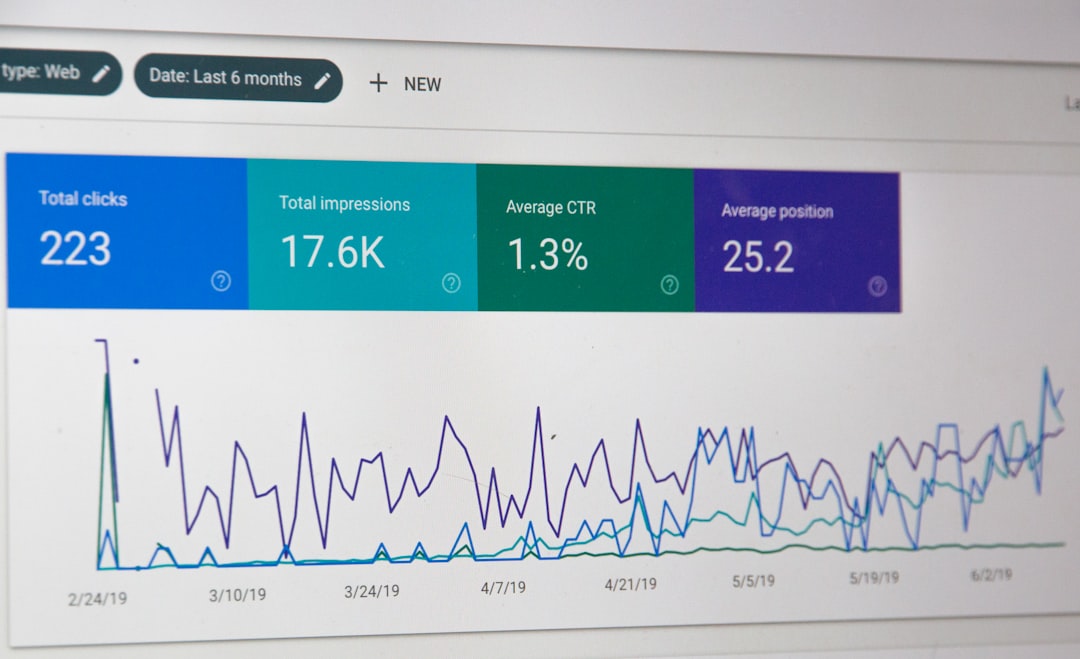
Google Search Console is non-negotiable. It shows which queries bring impressions and clicks, which pages are indexed, and where Google sees technical problems.
Use it weekly to check:
- Top queries with high impressions but low clicks
- Pages losing clicks over the last 28 days
- Indexing errors and excluded pages
- Core Web Vitals issues on mobile
- Manual actions and security warnings
Honestly, it feels like Google hides some of the best insights behind awkward menus. Still, the data is too valuable to ignore.
5. GA4: Best for measuring SEO impact after the click
Google Analytics 4 tells you what organic visitors do after they land on your site. Search Console tells you how people found you. GA4 tells you whether they subscribed, bought, booked, downloaded, or bounced.
Set up conversion events for forms, purchases, phone clicks, newsletter signups, and lead magnets. If organic traffic rises but conversions stay flat, the problem may be content quality, page layout, pricing, or intent mismatch.
For WordPress, you can connect GA4 using Site Kit by Google, MonsterInsights, or your tag manager setup.
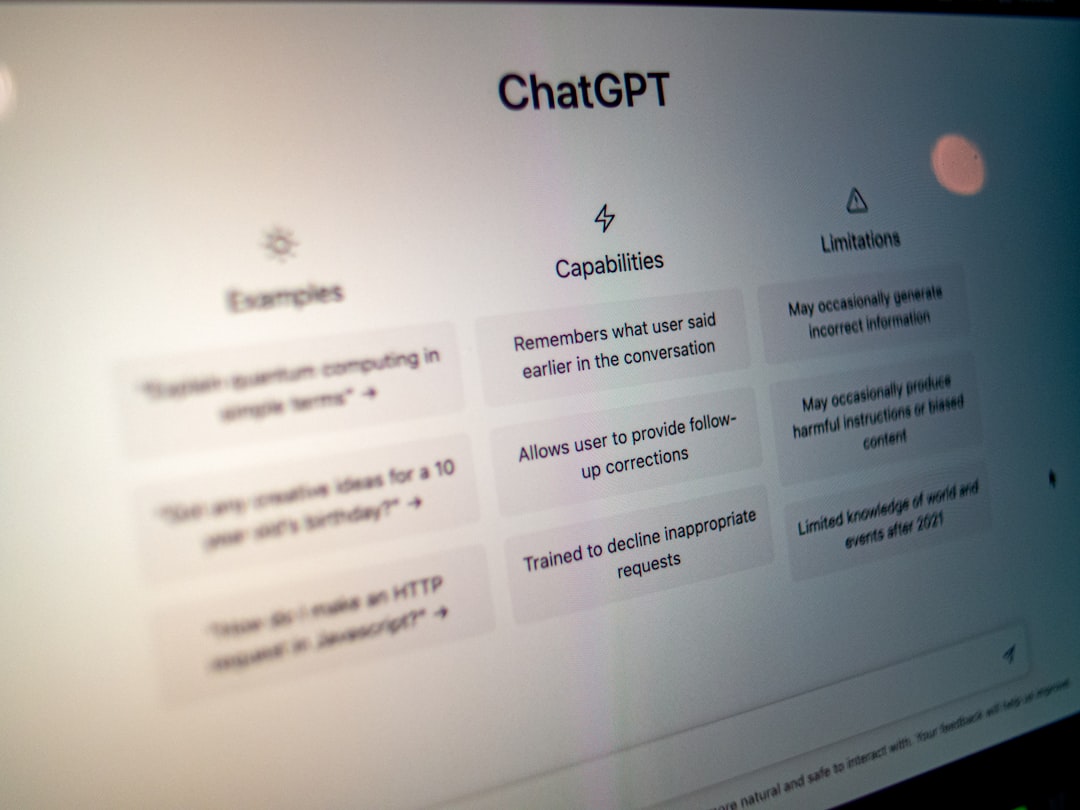
6. Ahrefs: Best for backlinks and keyword gaps
Ahrefs is one of the best paid tools for competitor research, backlink checks, content gaps, and keyword ideas. It helps you see which pages earn links, which articles bring traffic, and which keywords your rivals rank for while you do not.
Use Ahrefs to find:
- Pages with broken backlinks you can reclaim
- Competitor articles worth improving on
- Low-difficulty keywords with buyer intent
- Internal pages that need more links
- Content decay on older posts
Best for: affiliate sites, SaaS blogs, ecommerce brands, agencies, and publishers that rely on search traffic.
7. Semrush: Best broad marketing SEO suite
Semrush is excellent if SEO is only one part of your marketing work. It covers keyword research, competitor tracking, site audits, rank tracking, content templates, backlink checks, PPC research, and local listings.
The Site Audit tool is useful for WordPress because it flags duplicate titles, missing meta descriptions, broken internal links, slow pages, redirect chains, and crawl errors. It can feel heavy at first, but the reports are practical once projects are set up properly.
Best for: marketing teams, agencies, local SEO campaigns, and businesses that also run paid search.
8. Screaming Frog: Best technical SEO crawler
Screaming Frog SEO Spider is the tool you open when something feels wrong and you need proof. It crawls your site like a search engine and reports page titles, status codes, canonicals, headings, indexability, images, redirects, structured data, and more.
For WordPress sites, it is brilliant for spotting messy tag archives, thin author pages, redirect loops, duplicate content, and forgotten staging URLs. It is not as friendly as a plugin, but it is much better for serious audits.
Best for: technical SEOs, agencies, developers, and larger content sites.
9. WP Rocket: Best speed plugin for most WordPress sites
WP Rocket is one of the easiest ways to improve WordPress performance. It handles page caching, browser caching, file optimization, lazy loading, database cleanup, and preload settings.
Speed matters because users have little patience. If your mobile page takes five seconds to load, rankings are not the only concern. Sales and leads suffer too.
Pair WP Rocket with quality hosting and a CDN. A plugin cannot fully rescue cheap hosting, bloated themes, or ten tracking scripts fighting each other.
10. ShortPixel or Imagify: Best image optimization tools
ShortPixel and Imagify compress images and convert them to modern formats such as WebP or AVIF. This is essential for WordPress sites with blogs, portfolios, recipes, product galleries, or news content.
Large images are one of the most common reasons WordPress pages crawl. It drives me crazy that many themes still upload giant hero images without warning users. Compress them before they hurt performance.
11. Link Whisper: Best internal linking helper
Link Whisper suggests internal links while you edit posts. This helps spread authority across your site and makes older articles easier to find.
Internal linking is simple, but people forget it. A good rule is to add three to eight relevant internal links to every serious article. Use descriptive anchor text, not vague phrases like “read more.”
12. Redirection: Best simple redirect manager
Redirection is a free WordPress plugin for managing 301 redirects and tracking 404 errors. Use it after deleting pages, changing URLs, merging posts, or rebuilding site structure.
Broken URLs waste link value and frustrate visitors. Check 404 reports monthly, then redirect old URLs to the closest useful page.
Best SEO tool stack by website type
- Small business site: Rank Math, Search Console, GA4, WP Rocket, ShortPixel, Redirection.
- Blog or publisher: Yoast or Rank Math, Ahrefs, Link Whisper, Screaming Frog, GA4.
- WooCommerce store: Rank Math, Semrush, WP Rocket, ShortPixel, Search Console, schema tools.
- Agency site: SEOPress, Semrush, Screaming Frog, GA4, Looker Studio reports.
How to choose the right tools
Pick tools based on problems, not hype. If rankings are flat, you need better keyword and competitor data. If clicks are low, improve titles and descriptions. If traffic arrives but does not convert, study GA4. If pages load slowly, fix hosting, images, caching, and scripts.
A smart 2026 WordPress SEO stack should answer five questions:
- Can search engines crawl and index the site?
- Are pages targeting the right keywords?
- Is the content better than competing results?
- Do pages load quickly on mobile?
- Are visitors taking profitable actions?
The best tools make those answers clear. Start lean. Measure weekly. Fix the boring issues first. That is usually where the money is hiding.