
What Is the 9 Eyes Alliance? VPN Privacy vs International Intelligence Sharing
The 9 Eyes Alliance is an intelligence sharing group made up of the Five Eyes countries plus Denmark, France, the Netherlands, and Norway. It matters for VPN privacy because providers based in these countries may face lawful data requests, gag orders, or cooperation pressure from agencies that share signals intelligence across borders.
TLDR: The 9 Eyes Alliance connects nine countries that exchange intelligence, including digital communications data. A VPN in a 9 Eyes country is not automatically unsafe, but its jurisdiction can raise privacy risks if the provider keeps logs. For example, if a VPN stores connection timestamps for 30 days, investigators may match a user’s login time to activity on another service with surprising accuracy. Privacy-focused users usually prefer audited no-log VPNs, strong encryption, RAM-only servers, and companies based outside heavy intelligence-sharing states.
What Is the 9 Eyes Alliance?
The 9 Eyes Alliance is an extension of the better-known Five Eyes intelligence network. The original Five Eyes group includes:
- United States
- United Kingdom
- Canada
- Australia
- New Zealand
The 9 Eyes group adds four European partners:
- Denmark
- France
- Netherlands
- Norway
These countries cooperate on intelligence work, especially signals intelligence. That means communications, online activity, metadata, and other digital traces may be collected, shared, or compared between partner agencies under national laws and agreements.
Image not found in postmetaThe exact rules are not fully public. Intelligence partnerships rarely publish clean, simple playbooks. Honestly, it feels like one of the most annoying parts of online privacy: a user can read a VPN privacy policy for 20 minutes and still not know how a secret order would be handled.
Why the 9 Eyes Alliance Matters for VPN Users
A VPN hides a user’s real IP address from websites and apps. It also encrypts traffic between the user’s device and the VPN server. That helps on public Wi-Fi, reduces tracking by internet service providers, and can limit casual surveillance.
But a VPN is not magic. It simply moves trust from the internet provider to the VPN company. If that company is based in a 9 Eyes country, it may be subject to local legal demands. In some cases, it may be ordered not to disclose those demands.
The key issue is logging. If a VPN stores activity logs, IP addresses, timestamps, DNS requests, or bandwidth records, those records may become useful to investigators. If it truly keeps no logs, there may be little or nothing useful to hand over.
VPN Jurisdiction: Risk Signal, Not Final Verdict
Many privacy guides treat jurisdiction as the whole story. That is too simple. A VPN based outside the 9 Eyes can still be careless, dishonest, or poorly secured. A VPN based inside a 9 Eyes country can still offer strong privacy if it has verified no-log systems and minimal data collection.
Still, jurisdiction is a real risk signal. A provider in the United States, United Kingdom, France, or another 9 Eyes country may face stronger intelligence pressure than a provider in a privacy-friendly country with stricter data protection rules.
The catch is that users often cannot see what happens behind the scenes. A polished app and a bold “no logs” banner do not prove much. Independent audits, court records, transparency reports, and technical design matter more.
What Data Can a VPN Provider Expose?
A weak VPN may collect more than expected. Common data types include:
- Real IP address: the address assigned by the user’s internet provider.
- Connection timestamps: when a session starts and ends.
- VPN server used: location and assigned VPN IP.
- DNS requests: domain names the user visits.
- Device identifiers: app IDs, crash reports, or diagnostic data.
- Payment details: card records, invoices, and email addresses.
Even partial data can matter. Suppose a website logs that an account connected from a VPN IP at 8:14 p.m. If the VPN also stores that one customer used the same server at 8:14 p.m., the privacy shield gets much weaker. No one needs a full browsing history to build a useful match.
How Intelligence Sharing Can Affect Privacy
International intelligence sharing can widen access to collected information. An agency in one country may receive intelligence from a partner agency in another. In some cases, this can create concern about “backdoor” access, where one government gains insight through a foreign partner rather than through a direct domestic process.
That does not mean every 9 Eyes VPN user is being watched. Most people are not targets. Still, journalists, activists, lawyers, political organizers, business travelers, and whistleblowers may face higher risk. For them, location and logging policies matter a lot.

What Makes a VPN Safer?
A privacy-focused VPN should have more than a catchy claim. It should show proof. Strong providers often include:
- Audited no-log policy by a reputable third party.
- RAM-only servers that wipe data when powered off.
- Private DNS to reduce DNS leaks.
- Kill switch to block traffic if the VPN drops.
- OpenVPN or WireGuard with modern encryption.
- Clear transparency reports showing legal requests.
- Anonymous payment options, such as cash or crypto where available.
- No forced personal details beyond what is needed for the account.
Speed and design still matter, but privacy features should come first. It drives users crazy when a VPN adds 3 seconds to every connection attempt and then fails silently when switching networks. A good app should make security obvious, not leave users guessing.
9 Eyes vs 5 Eyes vs 14 Eyes
The terms are related but not identical. Five Eyes is the core intelligence group. 9 Eyes adds Denmark, France, the Netherlands, and Norway. 14 Eyes usually refers to an even wider group that may include Germany, Belgium, Italy, Spain, and Sweden.
The wider the group, the broader the intelligence-sharing concern. For VPN privacy, these labels are often used as shorthand for jurisdiction risk. They are useful, but they should not replace a review of the provider’s logs, audits, ownership, and technical setup.
Should a VPN Be Outside the 9 Eyes?
For ordinary streaming, travel, and public Wi-Fi protection, a reputable VPN inside a 9 Eyes country may be acceptable. The bigger question is whether the provider stores identifying logs.
For sensitive work, a VPN outside the 9 Eyes may be a better fit. Even then, the user should still check audits, server controls, DNS handling, and company history. A shady offshore VPN can be worse than a transparent provider in a stricter legal system.
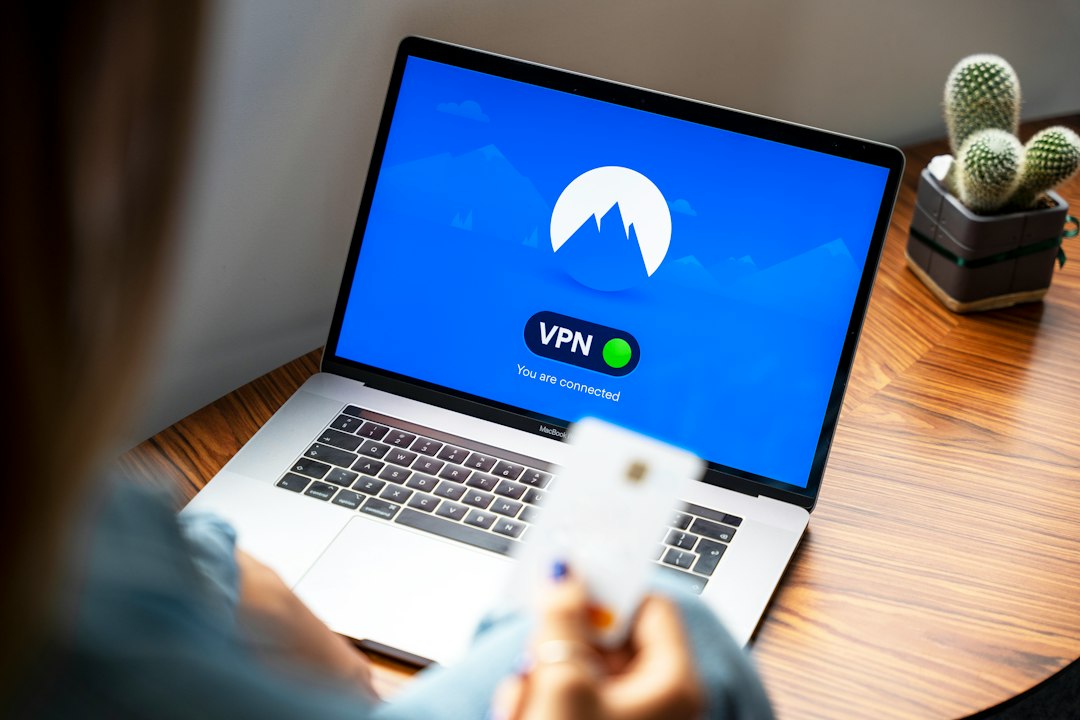
Practical Privacy Tips
- Choose a VPN with a recent independent no-log audit.
- Read the privacy policy for timestamp, IP, and DNS collection.
- Use the kill switch and leak protection settings.
- Avoid logging into personal accounts during sensitive sessions.
- Use privacy browsers and tracker blockers alongside the VPN.
- Consider anonymous payment and a separate email address.
- Test for DNS, IPv6, and WebRTC leaks after setup.
A VPN is one layer. It cannot stop tracking through browser fingerprints, cookies, malware, account logins, or careless file sharing. Privacy works best when the VPN is paired with safer habits.
FAQ
What countries are in the 9 Eyes Alliance?
The 9 Eyes Alliance includes the United States, United Kingdom, Canada, Australia, New Zealand, Denmark, France, the Netherlands, and Norway.
Is a VPN in a 9 Eyes country unsafe?
Not always. The main risk depends on what the VPN logs and how it handles legal requests. A verified no-log VPN is much safer than one that stores connection records.
Can intelligence agencies see VPN traffic?
Strong VPN encryption can hide traffic from local networks and internet providers. Agencies may still use other methods, such as metadata analysis, endpoint monitoring, website logs, or legal requests.
Is 14 Eyes worse than 9 Eyes?
It can mean broader intelligence cooperation, but the same rule applies: jurisdiction matters, yet logging practices and technical controls matter more.
What is the best VPN location for privacy?
There is no perfect location. Many privacy-focused users prefer providers outside major intelligence-sharing alliances, backed by no-log audits, RAM-only servers, and clear transparency reports.