Who Makes Phone Apps? Types of Mobile App Development Providers
Phone apps feel like tiny magic boxes. Tap an icon, and boom. You can order pizza, track sleep, learn guitar, edit photos, or chat with your dog sitter. But behind every app is a person, a team, or a company that built it piece by piece.
TLDR: Phone apps are made by many kinds of mobile app development providers. Some are solo freelancers. Some are big agencies. Others are in-house teams, app builders, consultants, or offshore companies. The best choice depends on your budget, timeline, idea, and how much help you need.
So, Who Actually Makes Phone Apps?
Lots of different people make phone apps.
Some are coders. Some are designers. Some are project managers. Some are testers who try to break the app before users do. That sounds rude, but it is helpful.
A good app is not just code. It is also design, planning, testing, writing, launching, and fixing bugs. Think of it like making a restaurant. You need a chef, a menu, a kitchen, lights, tables, and someone to make sure nobody slips on soup.
Mobile app development providers are the people or companies that help create apps for phones and tablets. They may build apps for iPhone, Android, or both. Some build simple apps. Others build giant apps with payments, maps, video, chat, and fancy features.
Let’s meet the main types.

1. Freelance App Developers
A freelance app developer is one person who builds apps for clients. They may work from home, a coffee shop, or a desk covered in snack wrappers. No judgment. Great apps can come from snack wrappers.
Freelancers are often a good choice for small projects. Maybe you need a basic app. Maybe you already have the design. Maybe you just need someone to fix an old app that has started acting like a grumpy cat.
Why people like freelancers:
- They can be more affordable than agencies.
- You often talk directly to the person doing the work.
- They can move fast on simple tasks.
- They may be flexible with schedules.
What to watch out for:
- One person may not do everything well.
- They may get busy with other clients.
- If they get sick or disappear, the project can pause.
- You may need to manage the project yourself.
A freelancer can be perfect if your app is small and clear. But if your app idea is huge, complex, and full of moving parts, one person may not be enough.
2. Mobile App Development Agencies
An app agency is a company that builds apps for clients. Agencies usually have a team. This team may include developers, designers, testers, writers, project managers, and strategy experts.
Agencies are like app restaurants with a full kitchen. You get more than one chef. You also get someone checking the recipe, the plates, and the bill.
Agencies often help with:
- App strategy
- User research
- App design
- iOS development
- Android development
- Backend systems
- Testing
- App store launch
- Maintenance after launch
This makes agencies a strong choice for a serious app project. If your app needs logins, payments, bookings, maps, or custom dashboards, an agency can help plan and build it safely.
The big benefit? You get a complete team.
The big downside? Cost. Agencies usually cost more than freelancers. But they also bring more structure, more skills, and more backup.
3. In-House App Development Teams
An in-house team works inside a company. These people are employees. They spend all day working on that company’s app or apps.
Big companies often use in-house teams. Banks, airlines, food delivery companies, fitness brands, game studios, and shopping platforms may all have internal app teams.
This makes sense when the app is a major part of the business. If the app makes money every day, the company wants people nearby to update it, improve it, and fix bugs fast.
In-house teams are great because:
- They know the business very well.
- They can make updates often.
- They can work closely with other departments.
- They are easier to reach during emergencies.
But there is a catch: Hiring a team is expensive. You need salaries, benefits, tools, managers, and office space or remote systems. You also need to keep people busy after the first app version is done.
For a startup or small business, an in-house team may be too much at first. But for a growing company, it can be a smart move later.

4. No Code and Low Code App Builders
No code and low code tools let people build apps with less traditional coding. You drag things around. You choose blocks. You connect features. It can feel a bit like building with digital Lego.
No code means you may not write code at all. Low code means you write a little code, but not as much as normal.
These tools are popular with founders, small business owners, teachers, creators, and teams that want to test an idea fast.
They are useful for:
- Simple business apps
- Internal company tools
- Booking apps
- Community apps
- Event apps
- Basic marketplace ideas
- Prototype apps
The best part is speed. You can build something quickly. You can test your idea before spending a giant bag of money.
But there are limits. No code apps may not handle very custom features. They may be harder to scale. You may also be tied to the platform you used. If that platform changes prices or rules, your app may be affected.
Still, no code is a great option for early ideas. It is like making a mini version of your app before building the big shiny spaceship.
5. Offshore App Development Companies
Offshore app development means hiring a company in another country. Many businesses do this to save money or access a larger talent pool.
For example, a company in the United States might hire a development team in India, Ukraine, Poland, Vietnam, the Philippines, Brazil, or another country.
Offshore teams can offer:
- Lower development costs
- Large teams
- Special skills
- Fast scaling
- Long term support
This can work very well. Many offshore companies are excellent. They build high quality apps for clients around the world.
But communication matters a lot. Time zones can be tricky. Language can be a challenge. Project details can get lost if nobody writes things down clearly.
To make offshore development work, you need strong planning. You need clear tasks. You need regular calls. You also need trust. If the team feels like a mystery box, be careful. Mystery boxes are fun for toys. Not for app budgets.
6. Nearshore App Development Teams
Nearshore development is like offshore development, but closer. The team is in a nearby country or time zone.
For example, a company in the United States may hire a team in Mexico or Colombia. A company in Germany may hire a team in Poland or Romania.
Nearshore teams can be a nice middle option. They may cost less than local teams. But communication can be easier than working with a team very far away.
Nearshore teams are helpful when you want:
- Similar working hours
- Easier meetings
- Cultural closeness
- Lower costs than local development
- A larger talent pool
If you like regular video calls and fast replies, nearshore can feel smoother. Your team is not asleep while you are wide awake and panicking about a button.
7. App Consultants and Product Strategists
Some providers do not build the whole app. Instead, they help you figure out what to build.
These people are app consultants, product strategists, or technical advisors. They help turn a fuzzy idea into a real plan.
Let’s say you have an idea like, “I want an app for dog owners.” Great. But what does it do? Does it track walks? Book groomers? Find dog parks? Translate barks? Please say yes to that last one.
A consultant can help answer questions like:
- Who is the app for?
- What problem does it solve?
- What features should come first?
- How much might it cost?
- Which technology should you use?
- How can the app make money?
This is useful before hiring developers. A good plan can save a lot of money. It stops you from building ten features when you only need three.
8. UI and UX Design Studios
Some providers focus on design. UI means user interface. That is how the app looks. Buttons, colors, screens, icons, menus, and layouts.
UX means user experience. That is how the app feels to use. Is it easy? Is it fast? Can people find what they need? Or do they tap around like a raccoon with a smartphone?
Design studios may create:
- Wireframes
- Clickable prototypes
- App screen designs
- User flows
- Design systems
- Usability tests
Great design matters. People delete confusing apps fast. Very fast. Sometimes faster than they delete gym apps in February.
You can hire a design studio before development starts. Then you give the designs to a developer or agency. This can make the build stage much easier.
9. Backend Developers and Cloud Teams
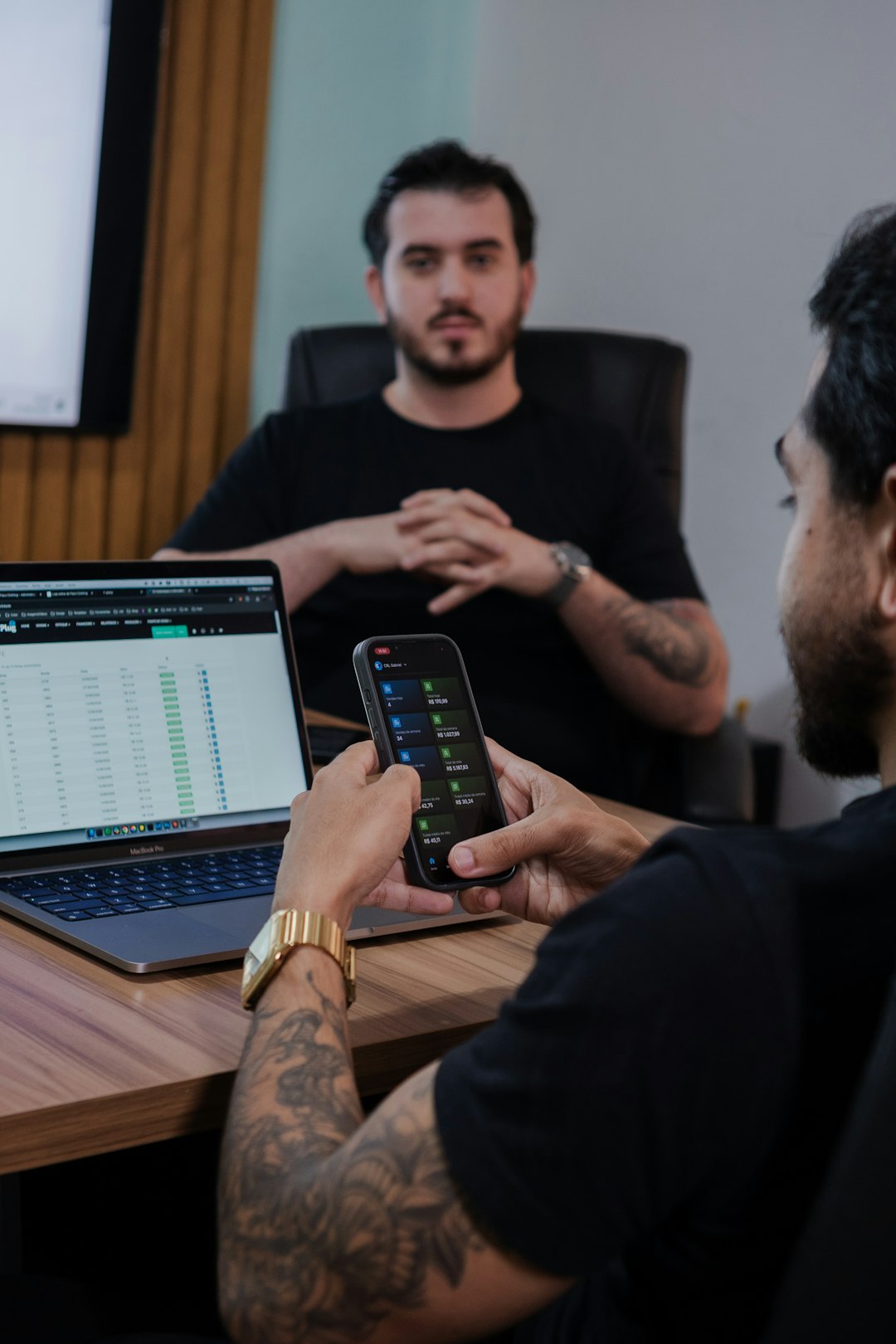
Some apps need more than what you see on the phone. They need a backend. The backend is the hidden engine.
It stores accounts, passwords, messages, photos, payments, orders, and settings. It connects the app to databases and servers. It is the part users do not see, unless it breaks. Then everybody sees it.
Backend teams build things like:
- User login systems
- Databases
- Payment connections
- Admin dashboards
- APIs
- Cloud hosting
- Security tools
If your app is more than a simple tool, you may need backend experts. A pretty app with a weak backend is like a sports car with a lawn mower engine. It may look cool, but good luck on the highway.
10. QA Testers and App Maintenance Providers
QA means quality assurance. QA testers check the app before users get it. They tap buttons. They try weird inputs. They use old phones. They rotate screens. They pretend to be confused. Sometimes they do not need to pretend.
Their job is to find bugs.
Bugs can be small. A button may be the wrong color. Bugs can also be huge. Payments may fail. Messages may vanish. The app may crash when someone uploads a photo of a sandwich. Nobody wants that.
Maintenance providers help after launch. This is important because apps are never really “done.” Phones update. App stores change rules. Users ask for new features. Bugs sneak in wearing tiny bug hats.
Maintenance can include:
- Bug fixes
- Security updates
- Speed improvements
- New features
- App store updates
- Server monitoring
If you launch an app, plan for maintenance. Do not spend every dollar on version one. Save budget for care and feeding. Apps are not rocks. They are more like houseplants with notifications.
How Do You Choose the Right Provider?
Start with your app idea. Is it simple or complex? Is it a quick test or a major business? Do you need design help? Do you need a full team? Do you need someone local?
Then think about your budget. A freelancer may be best for a small budget. An agency may be best for a polished product. A no code tool may be best for testing. An in-house team may be best when the app becomes central to your business.
Ask providers for examples. Look at apps they have built. Read reviews. Talk to past clients if possible. Ask how they handle delays, bugs, and changes.
Good questions to ask:
- Have you built apps like this before?
- Who will work on my project?
- How do you estimate cost?
- What happens if I need changes?
- Will I own the code and designs?
- How do you test the app?
- Do you offer support after launch?
Also, pay attention to how they explain things. A good provider makes complex ideas feel simple. If they only use giant tech words and make you feel lost, that is not great. You should feel informed, not trapped in a robot dictionary.
What Skills Are Needed to Make an App?
Most apps need several skills. Even simple apps benefit from a mix of talent.
- Product planning: Decides what the app should do.
- UX design: Makes the app easy to use.
- UI design: Makes the app look good.
- Mobile development: Builds the phone app.
- Backend development: Builds the hidden systems.
- QA testing: Finds bugs before users do.
- Project management: Keeps the work on track.
One person can sometimes do many of these things. But for bigger apps, a team is usually better. Everyone brings a special skill. Like a superhero group, but with more laptops and fewer capes.
Final Thoughts
So, who makes phone apps? Many people do. Freelancers, agencies, in-house teams, no code builders, offshore companies, nearshore teams, consultants, designers, backend experts, and testers all play a part.
The right provider depends on what you need. A tiny app may only need one skilled freelancer. A big app may need a full team. A first test may need no code. A long term product may need an in-house crew.
The main thing is to choose with care. A mobile app is not just a pile of screens. It is a product. It has users. It has goals. It needs love, planning, testing, and updates.
Pick the people who understand your idea. Pick the people who explain things clearly. Pick the people who can build the app you need, not just the app they want to sell.
And remember, every famous app started as a simple idea. Then someone built it. Then someone fixed the bugs. Then someone fixed more bugs. That is the circle of app life.