
Why Your Meetup Event Doesn’t Show Up in General Search
Many event organizers assume that once they publish a Meetup event, it will automatically appear in Google or other general search engines. However, that is rarely the case. Search visibility depends on multiple technical, content, and platform-specific factors that go far beyond simply clicking “Publish.” Understanding why an event does not show up in general search is the first step toward fixing the problem and attracting a larger audience.
TLDR: A Meetup event may not show up in general search engines due to indexing delays, privacy settings, weak SEO signals, low authority, or limited content. Search engines prioritize well-optimized and publicly accessible pages with strong engagement and relevance. Organizers can improve visibility through better titles, descriptions, backlinks, and shareability. Small technical and content improvements can significantly increase discoverability.
Understanding How General Search Engines Index Meetup Pages
Search engines like Google do not instantly list every new page they discover. Instead, they rely on automated bots that crawl the web and decide which pages are worth indexing and ranking. When someone creates a Meetup event, it becomes a subpage under Meetup’s domain. Although Meetup itself has high authority, individual event pages may not carry the same weight.
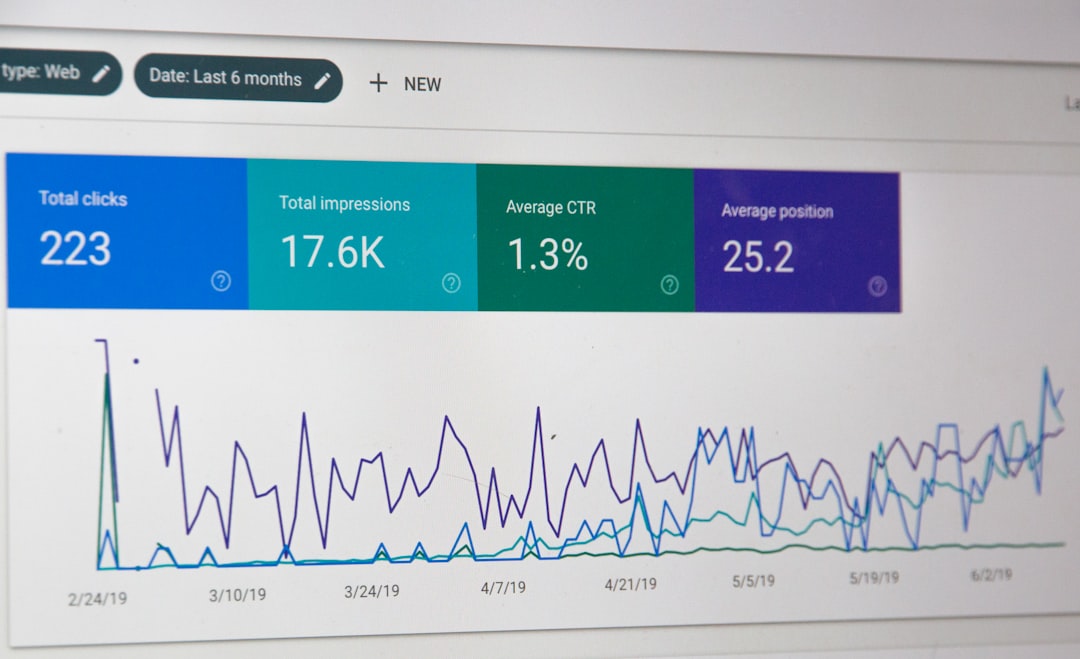
There are several reasons why a Meetup event might not appear:
- Indexing delay: Bots may not have crawled the event page yet.
- Low perceived value: Short or vague event descriptions may not meet quality thresholds.
- Duplicate content: Reusing the same description across multiple platforms can weaken visibility.
- Technical limitations: Some dynamically generated pages are harder to index.
Search engines prioritize content that demonstrates relevance, authority, and usefulness. Many event pages fall short because they provide minimal information.
Privacy and Visibility Settings Matter
One of the most overlooked reasons for poor search visibility is privacy configuration. Meetup offers various privacy levels for groups and events. If a group is set to private or requires approval to access content, search engines may not fully crawl the event pages.
Organizers should verify:
- That the group is publicly viewable
- That events are accessible without login barriers
- That the event page does not require membership to view basic details
Even partial restrictions can limit indexing. If search engine bots cannot freely access content, they may skip the page entirely.
Weak Titles and Descriptions Reduce Search Match Potential
A common mistake is creating creative but vague titles. While “Let’s Connect!” may sound inviting, it does not provide meaningful keywords for search engines.
Compare these two examples:
- Poor title: Friday Night Meetup
- Optimized title: Digital Marketing Networking Event in Chicago for Small Business Owners
The second version includes location, industry, audience, and topic—critical search signals.
Descriptions should also:
- Be at least 300–500 words long
- Naturally include relevant keywords
- Explain who the event is for
- Describe specific benefits and takeaways

Search engines analyze content depth. Thin event descriptions often fail to rank because they do not provide enough context.
Low Engagement Signals Limit Visibility
Search engines use engagement indicators to determine whether content deserves visibility. While they may not directly read RSVP numbers, external signals matter.
Examples of engagement signals include:
- Backlinks to the event page
- Social media shares
- Mentions on blogs
- Clicks from external sources
If no one links to or shares the event, search engines may interpret it as low relevance. Meetup alone is not always enough to build momentum in general search results.
Competition From Other Event Platforms
Meetup events compete with listings from numerous high-authority platforms:
- Eventbrite
- Facebook Events
- LinkedIn Events
- Local news websites
- Venue-hosted calendars
If similar events are listed across multiple platforms with better optimization, those pages may outrank a Meetup listing.
Platform Comparison for Search Visibility
| Platform | Domain Authority | Customization Options | Typical SEO Strength |
|---|---|---|---|
| Meetup | High | Limited | Moderate per event |
| Eventbrite | High | Moderate | Strong for public events |
| Facebook Events | Very High | Limited public crawlability | Variable |
| Dedicated Event Website | Depends on owner | Full control | Potentially very strong |
While Meetup’s domain authority is strong, individual pages still compete based on relevance and optimization.
Location and Search Intent Alignment
Search engines personalize results based on user location and search history. If a user searches for “tech meetup,” results may prioritize major cities over smaller towns. Local search intent plays a major role.
Organizers can improve alignment by:
- Including the city name in the title
- Specifying neighborhoods or venues
- Using consistent location wording throughout the page
This reinforces geographic relevance signals.
Time Sensitivity and Event Expiration
Events are time-sensitive by nature. Search engines may deprioritize pages with short lifespans. If an event is only two weeks away, algorithms may not prioritize ranking it prominently.
Recurring events often perform better in search results because they:
- Exist longer
- Accumulate engagement
- Generate repeat mentions
One-time events face greater SEO challenges because they lack longevity.
Lack of External SEO Support
Many organizers rely entirely on Meetup’s internal discovery system. However, general search visibility typically requires external signals.

Strategies to strengthen external SEO include:
- Publishing a blog post announcing the event
- Sending press releases to local media
- Embedding the Meetup link on a personal website
- Sharing consistently on social media platforms
- Encouraging partners or sponsors to link to the event
These actions build backlinks and authority that search engines recognize.
Common Technical Reasons for Non-Appearance
There are also less visible technical factors at play:
- Noindex tags: Some pages may contain technical directives that prevent indexing.
- Canonical conflicts: Duplicate listings may consolidate ranking signals elsewhere.
- JavaScript-heavy rendering: Some bots struggle with dynamic content.
While Meetup manages most technical SEO, individual event visibility can still be affected by platform-wide updates or structural changes.
Practical Steps to Improve Search Appearance
Organizers who want their events to appear in general search should take a proactive approach:
- Optimize the title: Include topic, audience, and location.
- Expand the description: Aim for depth and clarity.
- Make the group public: Confirm crawl accessibility.
- Promote externally: Build backlinks and mentions.
- Create recurring formats: Establish long-term presence.
- Use consistent branding: Improve recognition and repeat searches.
SEO is cumulative. Small improvements can compound over time, especially for organizers who host regular events.
Managing Expectations Around Search Visibility
It is important to recognize that not every event will appear on the first page of general search results. Search engines are competitive ecosystems influenced by:
- Authority
- Relevance
- Competition
- User behavior
- Content depth
Meetup’s internal search may drive most traffic, while general search visibility acts as a supplemental channel rather than the primary one.
Conclusion
If a Meetup event does not appear in general search results, the cause is rarely random. The issue usually stems from indexing delays, weak optimization, privacy barriers, low engagement, or high competition. Organizers who treat their event pages like searchable content—rather than simple announcements—can significantly improve discoverability. By enhancing titles, expanding descriptions, encouraging backlinks, and ensuring public accessibility, they increase the likelihood that search engines will recognize and rank their events.
FAQ
Why can’t I find my Meetup event on Google?
The event may not have been indexed yet, or it could lack sufficient SEO signals such as strong keywords, backlinks, and detailed content. Privacy settings may also restrict search engine crawlers.
How long does it take for a Meetup event to appear in search results?
Indexing can take anywhere from a few days to several weeks. However, appearance in search results also depends on competition and optimization quality.
Does making my Meetup group private affect search visibility?
Yes. Private settings can prevent search engines from crawling event pages, limiting or completely blocking visibility in general search results.
Should I create a separate website for my event?
If search visibility is a major priority, a dedicated website provides full SEO control and long-term ranking potential. You can still link it to your Meetup page.
Do recurring events rank better than one-time events?
Often yes, because recurring events exist longer, accumulate backlinks, and generate repeat engagement, all of which strengthen SEO signals.
Is social media sharing enough to make my event show up on Google?
Social sharing helps, but it is usually not sufficient by itself. A combination of optimized content, public accessibility, and backlinks produces stronger search visibility.